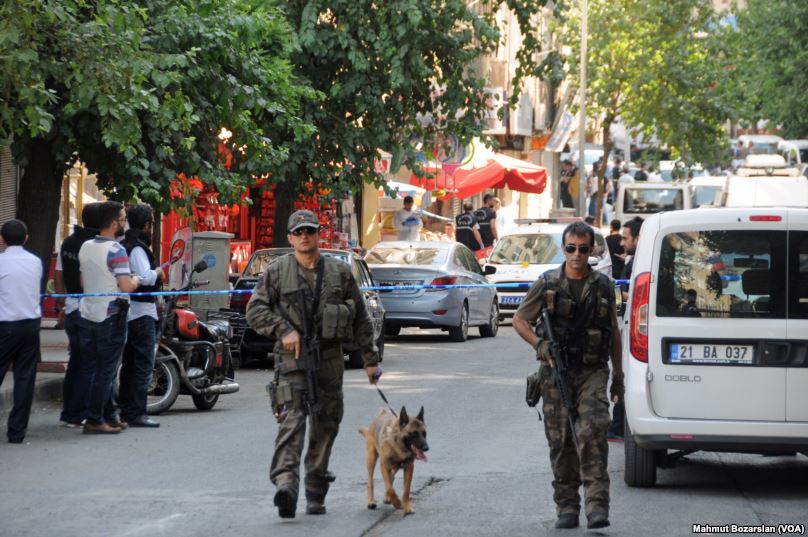
An official of Turkey's ruling Justice and Development Party (AKP) and two of his close relatives – his son and his nephew – were killed in an armed attack, the Turkish newspaper Sözcü reported. The deaths were confirmed by local authorities, and the incident has been described as the most significant domestic development in Turkey today.
Details of the Attack
The newspaper stated that the three victims were shot during an armed assault, though it did not disclose the exact location, time of day, or any information about the assailants. No names were provided, and the report did not include further details about the weaponry used or whether any suspects were apprehended.
"AKP'li yönetici, oğlu ve yeğeni silahlı saldırıda hayatını kaybetti" – Sözcü
The brief report emphasized the loss of the three family members, noting that the incident had immediate repercussions for the local community and for the AKP, which has dominated Turkish politics since 2002. The newspaper's coverage was the sole source confirming the fatalities, and no additional media outlets had yet released competing accounts.
Political Context
The Justice and Development Party, which has been in power for over two decades, controls the executive branch, the parliament and a significant portion of local governments across Turkey. While the party enjoys broad support in many regions, it has also faced criticism and protests over policy decisions, economic challenges, and concerns about democratic backsliding.
Violence targeting political figures in Turkey is relatively rare but not unprecedented. Over the past few years, the country has experienced isolated incidents involving journalists, activists and, occasionally, party members. The killing of an AKP official and his relatives therefore stands out as a stark reminder of the potential for politically motivated violence, even within the ruling establishment.
Analysts suggest that the attack could have multiple implications. Domestically, it may prompt heightened security measures for party officials and increase scrutiny of local law‑enforcement capabilities. Internationally, observers of Turkish politics may view the incident as a test of the government's ability to maintain order and protect its representatives.
Given the limited information released, Turkish authorities are expected to open a formal investigation to identify the perpetrators and determine the motive. The AKP has not yet issued an official statement, and family members of the victims have been left to grieve without public comment.

The incident continues to dominate headlines in Turkey, with media outlets and social platforms circulating calls for justice and demanding answers from the state. As more details emerge, the story is likely to shape discussions about security, political violence, and the rule of law in the country.


