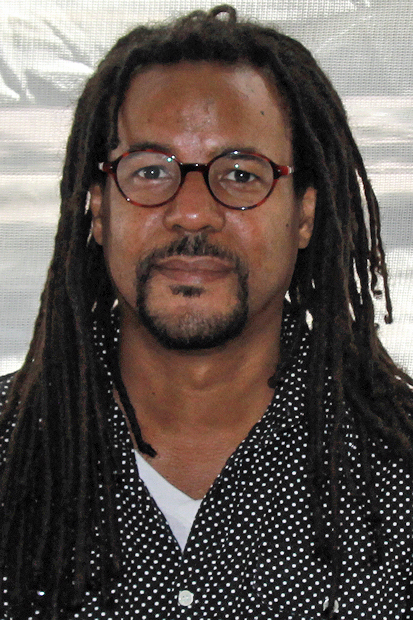
When Colson Whitehead—one of only four writers to win the Pulitzer Prize for Fiction twice—turns his attention to crime fiction, the literary world takes notice. With Cool Machine, Whitehead completes his Harlem Trilogy, following 2021's Harlem Shuffle and its successor through decades of New York transformation. This final installment lands in the 1980s, an era of cultural upheaval, financial excess, and the grit that defined the city before its sanitization. The question hovering over this release: can Whitehead's genre exercise match the gravitas of The Underground Railroad and The Nickel Boys, or does it represent something else entirely—a master novelist at play in the criminal underworld?
A Trilogy Finds Its Endpoint
The Harlem Trilogy has traced the evolution of New York's most storied neighborhood through crime stories spanning multiple decades. Cool Machine brings the saga to the 1980s, an era The Guardian describes as defined by "the grit and grandeur" of New York. The narrative centers on underground wheeler-dealers navigating heists and the city's shifting cultural landscape, though Whitehead's approach remains characteristically oblique and layered.
According to The New York Times, the novel is "full of heists, cultural shifts and nostalgia for 1980s New York." The Boston Globe notes that it "completes Whitehead's Harlem Trilogy with thoughts of justice denied," suggesting the book maintains thematic seriousness beneath its caper exterior. What emerges from the critical consensus is a portrait of Whitehead operating in genre mode while preserving his preoccupation with systemic inequity and the lives lived in its shadow.
Critical Acclaim and Genre Ambitions
The reception has been notably enthusiastic, with the Los Angeles Times posing the provocative question: "Is this the book of the year?" The review declares the trilogy "meets its perfect, gritty end." The Guardian called Cool Machine "freewheeling fun," while The Conversation went further, predicting it represents "a fitting end to the Harlem trilogy that is sure to make it a classic of New York fiction."

"A triumph of molls, dolls and deadpan humour" —Yahoo News New Zealand
The Atlantic framed Whitehead's project as "unapologetic crime fiction," a characterization that speaks to the author's willingness to embrace genre conventions without apology or excessive literary pretension. Vulture observed that "Colson Whitehead keeps subverting expectations," suggesting the novel succeeds precisely because it refuses to be what readers might anticipate from a two-time Pulitzer winner.
Literary Hub highlighted the release as one of the week's "splashy titles," calling it "the long-awaited final book in Colson Whitehead's trilogy." That anticipation appears justified: the book has generated not only reviews but cultural conversation, including a downtown walking tour organized by Untapped New York devoted to the trilogy's geography.
Who Should Read This—And Why Now
This is a book for multiple audiences. Whitehead completists who have followed the trilogy will find narrative closure and thematic culmination. Readers nostalgic for 1980s New York—its danger, its creative ferment, its pre-Giuliani texture—will discover a master stylist rendering that world with precision and affection. And those who appreciate crime fiction elevated by literary craft will find in Cool Machine a demonstration that genre and artistry need not be opposing forces.

The novel also offers an entry point for understanding Whitehead's range. While The Underground Railroad and The Nickel Boys confronted America's racist violence with unflinching historical reimagining, the Harlem Trilogy represents a different facet of his talent: the ability to work within popular forms while smuggling in social observation and moral complexity. The heists are entertaining; the cultural commentary cuts deeper.
As the trilogy reaches its conclusion, what's remarkable is how Whitehead has constructed a multi-decade portrait of Black urban life through the grammar of crime fiction—a genre traditionally dominated by white voices and perspectives. In doing so, he's created what critics suggest may endure as essential New York literature, proving that popular entertainment and lasting art need not occupy separate categories. For readers seeking both pleasure and substance, Cool Machine delivers on both counts.


