
The Strait Under Siege
The Middle East faces its most volatile security crisis in decades as the United States continues a tenth consecutive night of airstrikes against Iranian targets. The escalation follows the tragic deaths of U.S. troops and a series of aggressive Iranian maneuvers, including claimed attacks on oil tankers within the Strait of Hormuz and strikes against U.S. allies in Bahrain and Jordan. As Houthi militants in Yemen move to enforce a blockade in the Red Sea, the world’s most vital energy artery has once again become a flashpoint for a broader, regional conflict.
To understand the mechanics of this volatile stand-off, one must look back to the 1980s, when the U.S. and Iran first squared off in what historians call the 'Tanker War.' It was a period where the Persian Gulf became a crucible of naval combat, defining the strategic blueprint for how modern powers contest the world’s most critical energy chokepoint.
The Blueprint of 1988: Operation Praying Mantis
During the Iran-Iraq War in the late 1980s, Iran sought to disrupt the flow of oil to pressure Iraq’s backers, specifically targeting Kuwaiti tankers. In response, the U.S. launched Operation Earnest Will in 1987, a mission to reflag and escort Kuwaiti tankers through the Strait of Hormuz. The situation reached a breaking point on April 14, 1988, when the USS Samuel B. Roberts struck an Iranian mine in international waters. The ship’s keel was broken, and it narrowly avoided sinking.
The U.S. response, launched four days later on April 18, 1988, was Operation Praying Mantis. It was a massive, surgical retaliatory strike that decimated a significant portion of the Iranian naval fleet. In a single day of combat, the U.S. military destroyed or damaged two Iranian oil platforms, two frigates, and several fast-attack craft. It remains one of the most intense naval engagements the U.S. has conducted since World War II.
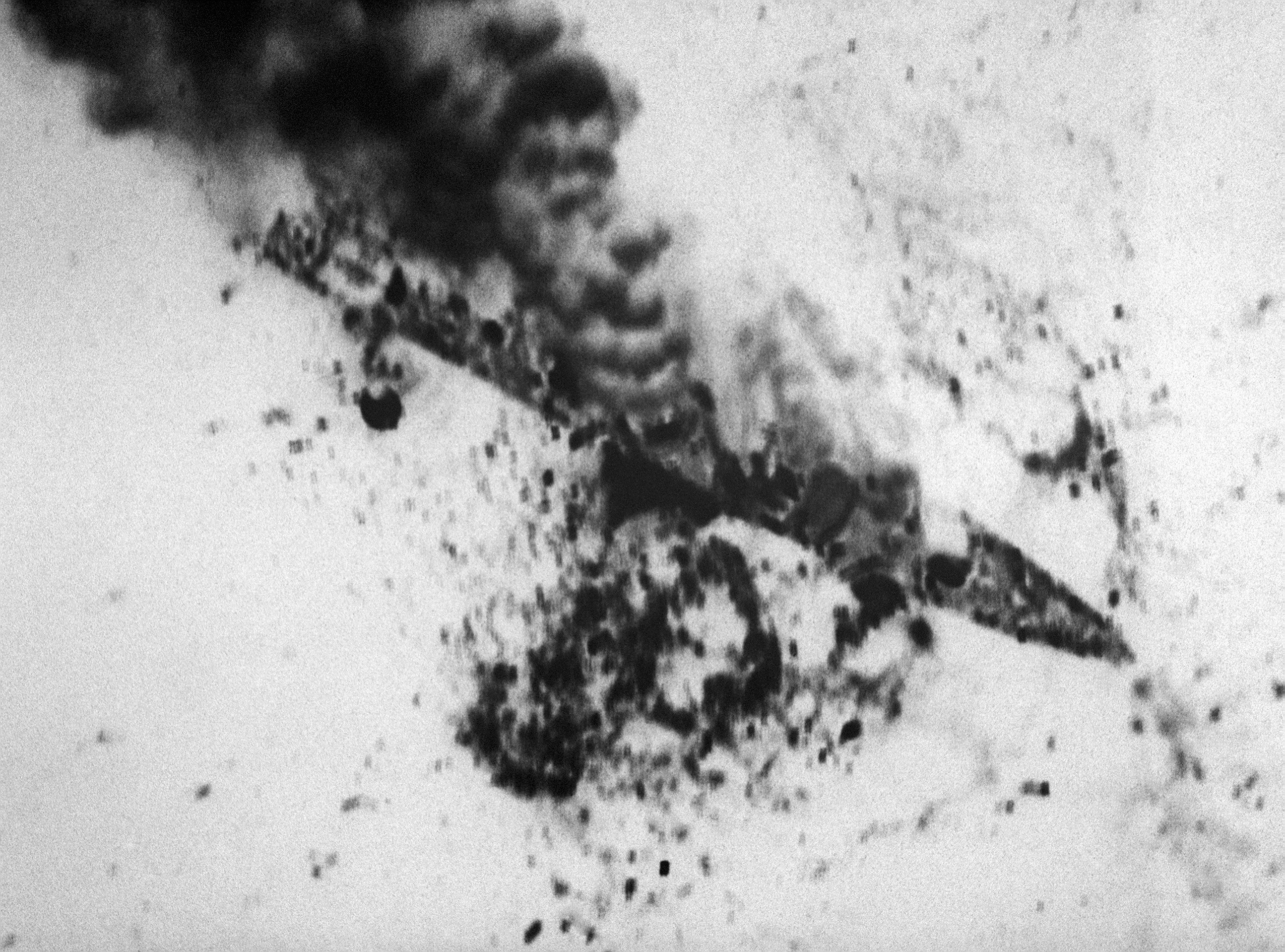
The U.S. operation demonstrated that overwhelming technical superiority could dismantle an adversary's 'mosaic defense'—the complex, decentralized network of maritime and land-based threats Iran has refined for decades.
Lessons From the Past
History suggests that the 1988 engagement served as a grim catalyst for diplomacy. By proving that the U.S. would not permit the permanent closure of the Strait of Hormuz, Operation Praying Mantis effectively constrained Iran's ability to wage unrestricted war at sea. Shortly after the crushing losses of the operation, the leadership in Tehran began to signal a willingness to entertain a ceasefire with Iraq, realizing that direct naval confrontation with the U.S. was a war of attrition they could not win.
However, the present conflict differs from the 1980s in its complexity. Today, Iran’s reach extends far beyond its own navy, utilizing a network of regional proxies like the Houthis to choke maritime traffic in both the Red Sea and the Strait of Hormuz simultaneously. The current Pentagon strategy of sustained, nightly strikes aims to degrade these capabilities, but the existence of a 'shadow fleet'—oil tankers operating outside of traditional international scrutiny—complicates the targeting process and increases the risk of civilian casualties, as seen in the recent death of Indian sailors during an airstrike.
What Happens Next?
Historical precedent offers both a warning and a potential exit ramp. In the 1980s, the cycle of violence was broken not through total victory, but through the realization by all parties that the total disruption of global energy markets was mutually destructive. The Strait of Hormuz handles 25% of the world's seaborne oil and 20% of its liquefied natural gas; its closure is an economic red line for powers in both Europe and Asia.

If history is any guide, the current military intensity serves as a high-stakes signaling mechanism. The U.S. is signaling an uncompromising commitment to freedom of navigation, while Iran is testing the threshold of U.S. tolerance. The danger, as always, lies in the potential for miscalculation. Just as the mining of the Samuel B. Roberts accelerated a major military response in 1988, an accidental strike or a misread signal in today's crowded, sensor-heavy environment could rapidly push the current limited war into a much larger, uncontrollable regional conflict.


