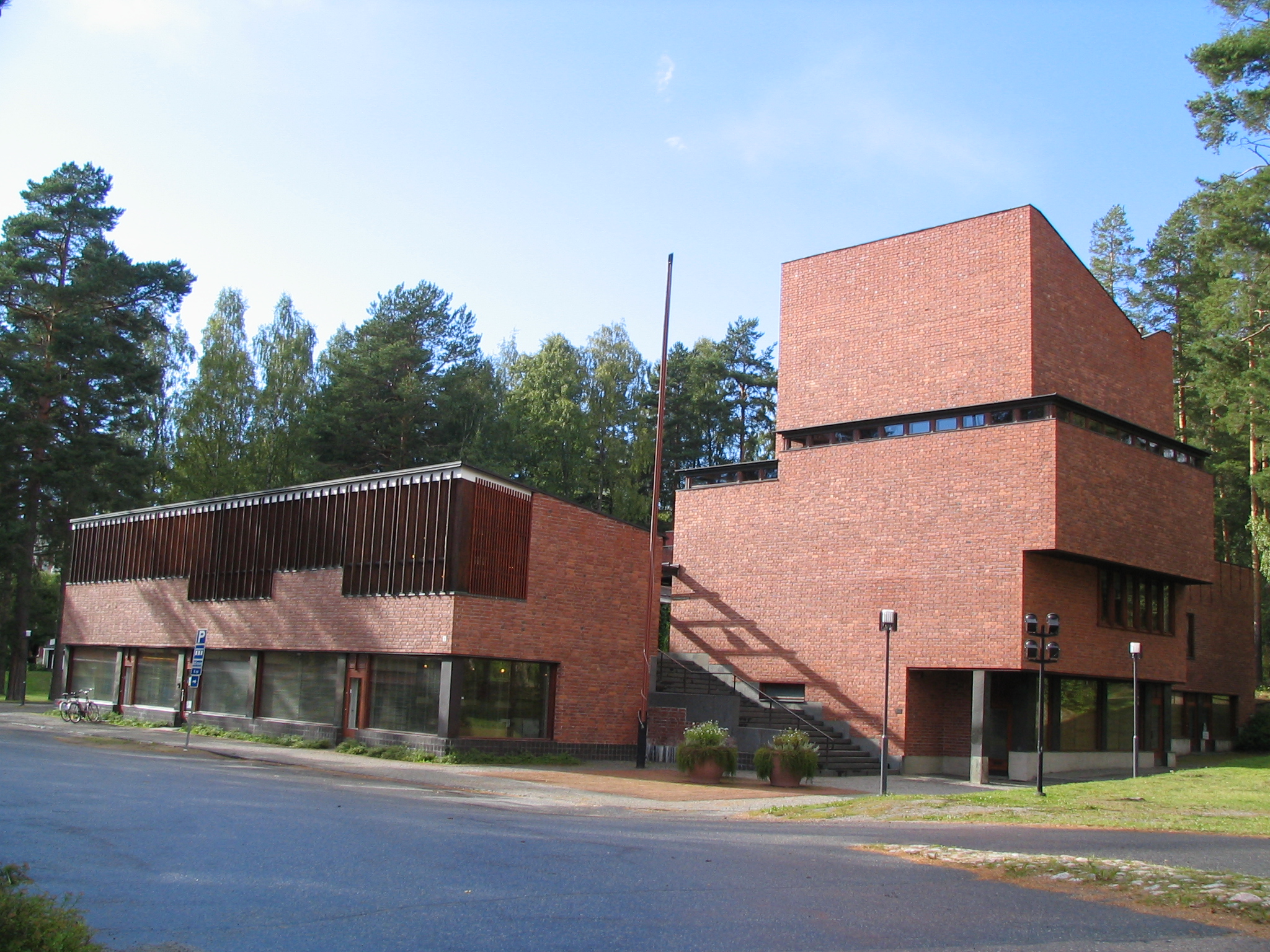
UNESCO’s World Heritage Committee has formally added the “Aalto Works” – a collection of modernist buildings designed by Finland’s most celebrated architect Alvar Aalto – to the World Heritage List. The inscription, confirmed at the committee’s session in Busan, marks the first time a serial property of 20th‑century Finnish architecture has received the designation.
UNESCO inscription
According to Finnish outlet Keskisuomalainen, the decision recognises Säynätsalo Town Hall, the Muuratsalo Experimental House and the Aalto University campus as part of the new World Heritage property. The agency’s approval was announced during the meeting in Busan, South Korea, where the committee evaluated dozens of nominations from around the globe.
"Säynätsalon kunnantalo, Muuratsalon koetalo ja Aallon kampus kuuluvat nyt Unescon maailmanperintöluetteloon" – Keskisuomalainen
Sites included
International reports vary on the exact composition of the serial property. Yahoo Finance Singapore notes that five Aalto‑related sites located in Helsinki have been listed, while the official website of the city of Jyväskylä states that three additional sites in the Jyväskylä region were incorporated as part of the same series. The Finnish‑language source lists the Säynätsalo Town Hall and the Muuratsalo Experimental House – both situated on islands in Lake Päijänne near Jyväskylä – alongside the main campus of Aalto University, which spans the metropolitan area of Helsinki‑Espoo.
Discrepancy: The precise tally of sites therefore ranges from eight (five in Helsinki plus three in Jyväskylä) to a broader, unspecified number of properties grouped under the “Aalto Works” umbrella.

Cultural significance
The inscription is hailed as a milestone for Finnish cultural heritage. Alvar Aalto (1898‑1976) is revered internationally for pioneering functionalist and humanist design principles that blended modernist aesthetics with a deep respect for nature and local materials. His works have long been celebrated in architectural circles, but the World Heritage status elevates them to a level of protection and global recognition comparable with historic sites such as the D‑Day beaches or Mount Olympus, which were also added to UNESCO’s list in the same session (Euronews).
Finnish officials anticipate that the designation will boost cultural tourism, especially in the Jyväskylä region, which has marketed itself as a hub for design and education. The inclusion of the Aalto campus aligns with Finland’s broader strategy to promote its innovation ecosystem and showcase the legacy of an architect whose influence extends to furniture, glassware and urban planning.

Local reaction has been overwhelmingly positive. Residents of Jyväskylä, a city that already hosts the Alvar Aalto Museum, view the listing as validation of the area’s architectural pedigree. The municipal website highlighted the three new sites as “a source of pride for the community and a catalyst for further preservation efforts.”
While the UNESCO decision brings immediate prestige, it also imposes obligations on Finnish authorities to maintain the integrity of the sites. The World Heritage Convention requires regular monitoring, conservation plans and public reporting to ensure that the values for which the Aalto Works were inscribed are safeguarded for future generations.


