A 24-hour nationwide strike across Greece is disrupting public transportation, maritime services, and government operations today, Wednesday, November 25, 2026, as workers protest to demand higher pay, improved labor conditions, and stronger public infrastructure. The walkout, spearheaded by the civil servants' union ADEDY, involves employees from both the public and private sectors who are rallying in dozens of cities, including a central demonstration at Klafthmonos Square in Athens. The protest highlights deep-seated grievances regarding the cost of living, energy poverty, and the quality of essential public health and education services.
How are transportation services being impacted?
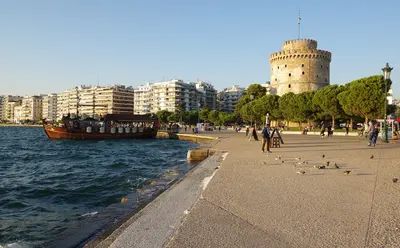
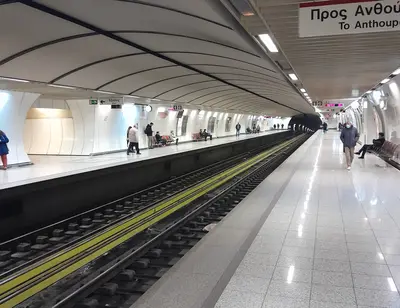
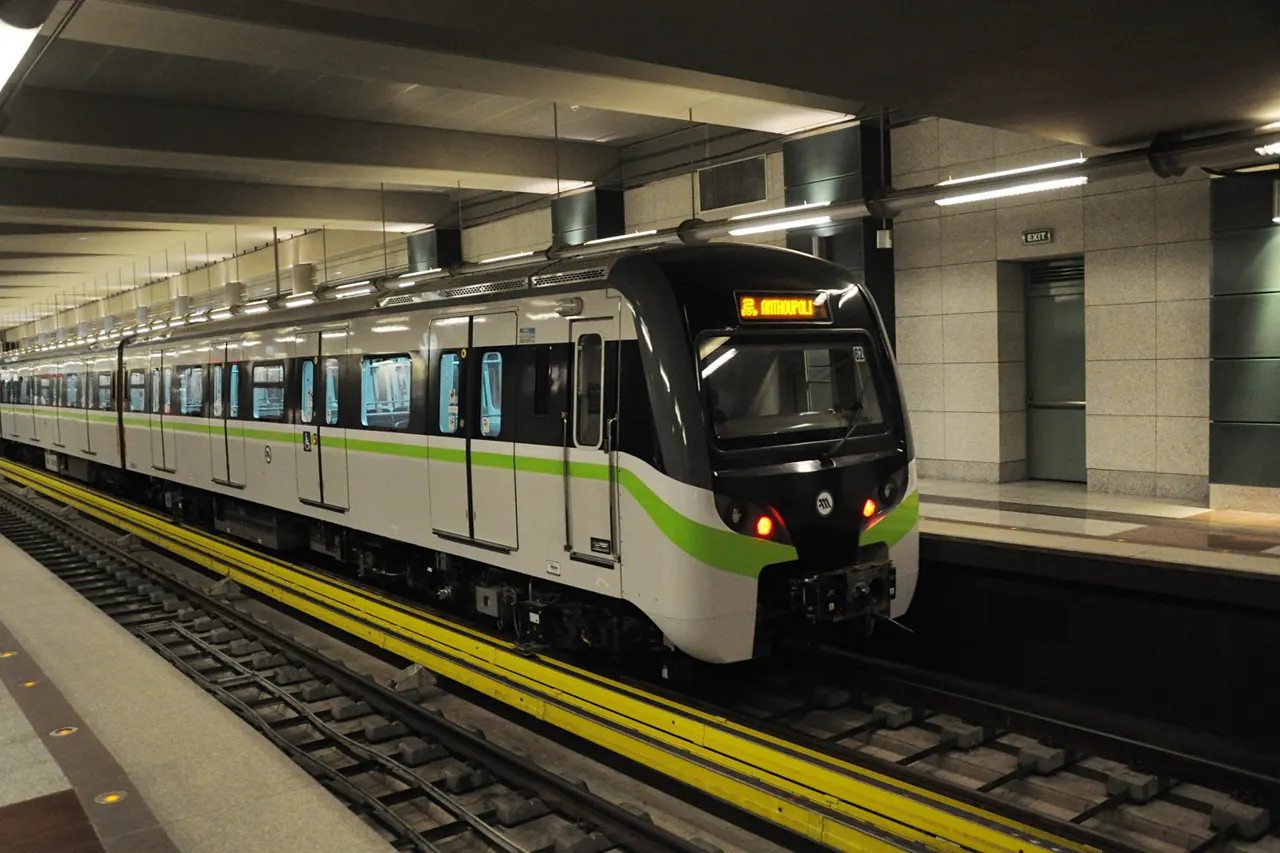
Transportation networks are facing varied disruptions throughout the country. In the capital, the Athens Metro, the electric railway (ISAP), and the tram network are operating on a limited schedule, running only between 09:00 and 18:00 to facilitate movement to protest sites. While metro services to Athens International Airport are restricted, suburban railway schedules are also subject to two specific stoppages, one occurring from 04:00 to 08:00 and another from 20:00 until the end of the operating day. Conversely, standard bus and trolleybus services in Athens are expected to function according to their regular timetables throughout the day, and bus operations in Thessaloniki will largely proceed normally, although three metro stations in the city were ordered closed by police starting at 09:00.
Maritime transit is suffering more significant and widespread paralysis. Merchant marine unions have halted operations for the full 24-hour period, effectively grounding ferry services across Greek ports. This stoppage affects domestic travel to numerous islands, with authorities advising passengers to verify the status of their departures directly with operators. While initial concerns existed regarding air travel, domestic flights are expected to proceed largely as scheduled following a November 23 court ruling that deemed a separate 24-hour strike threat from flight information staff unlawful. Nevertheless, some regional airports, including those on Paros, Milos, and Ikaria, are reporting suspensions due to localized staff participation in the industrial action.
The strike aims to demand meaningful measures to address growing economic, employment and social challenges, as the current climate of stagnant wages and rising costs places immense pressure on workers.
What are the primary demands of the labor unions?
Labor organizations participating in the strike, including those under the umbrella of ADEDY, have outlined a comprehensive list of economic and policy demands. Central to their platform is the restoration of the 13th and 14th monthly salary payments, a measure widely sought by public sector employees to mitigate lost purchasing power. Workers are also pushing for substantial wage increases and an adjustment to the tax-free income threshold, specifically targeting an increase to €12,000 plus an additional €3,000 for each child. Further demands include the large-scale recruitment of permanent personnel in health and education sectors to address chronic understaffing, along with the granting of permanent status to existing fixed-term contract workers.
Beyond immediate wage adjustments, the unions are calling for government intervention in the cost of living crisis, specifically requesting price caps on essential commodities, electricity, and fuel, as well as a reduction in VAT on basic food items. Protective measures for homeowners, such as a prohibition on the foreclosure of primary residences, form another pillar of the movement. The unions have also expressed strong opposition to specific legislative frameworks, namely laws 4808/2021 and 5053/2023, which they argue have eroded labor rights and should be repealed to safeguard collective bargaining and permanent employment.

What is the local context for international observers?
Greece currently manages an economy with a GDP of approximately $280.6 billion, according to World Bank data from 2025. With a population of 10.4 million, the country has navigated complex recovery efforts following historical economic challenges, maintaining an unemployment rate of 8.5% and an inflation rate of 2.5% as of 2025. The current industrial action is a significant domestic event, pitting labor unions against government fiscal policies. The General Confederation of Greek Workers, established in 1918, remains a key entity in this landscape, coordinating with various regional labor centers to exert pressure on the administration regarding the allocation of state resources and the prioritization of public sector staffing.
What is still unclear?
While the duration of the strike is set for the full 24 hours of November 25, the long-term impact on government policy remains uncertain. It is currently unclear whether the administration will agree to enter new negotiations regarding the restoration of seasonal bonuses or the specific labor law repeals requested by the protesters. Furthermore, while the majority of domestic air travel remains operational due to judicial intervention, the full extent of localized cancellations at smaller regional airports has not been finalized by all carriers. Travelers are advised to monitor official updates, as no confirmed timeline for follow-up industrial actions has been issued by the union federations at this time.
Sources: This report draws on coverage by News 24/7, Newsbeast, World Socialist Web Site, GTP Headlines, BGNES, U.S. Embassy & Consulate in Greece (.gov), Shipping Telegraph, eKathimerini.com. The wording is our own.