
Budapest – The Hungarian cabinet is expected to announce within the next 48 hours the exact moment it will shut down the Paks nuclear power plant, the nation’s sole source of nuclear electricity, after the Danube River fell to historic lows, depriving the reactor of the cooling water it needs.
Drought forces cooling water shortage
Paks, which supplies about 50% of Hungary’s electricity, relies on large volumes of river water for its cooling system. Record low water levels on the Danube have already forced both Hungary and neighboring Romania to cut nuclear output, Reuters reported. The river’s depth fell below the minimum operational threshold, making it impossible to maintain safe temperatures in the reactors.
Government faces a looming energy crunch
According to Hungarian outlet Portfolio.hu, senior officials expect a decision on the shutdown to be taken on Thursday or Friday, describing the timing as "imminent". Other sources, such as the Budapest Times and BBJ, echo the urgency, saying the plant could be taken offline at any moment if water levels do not improve.
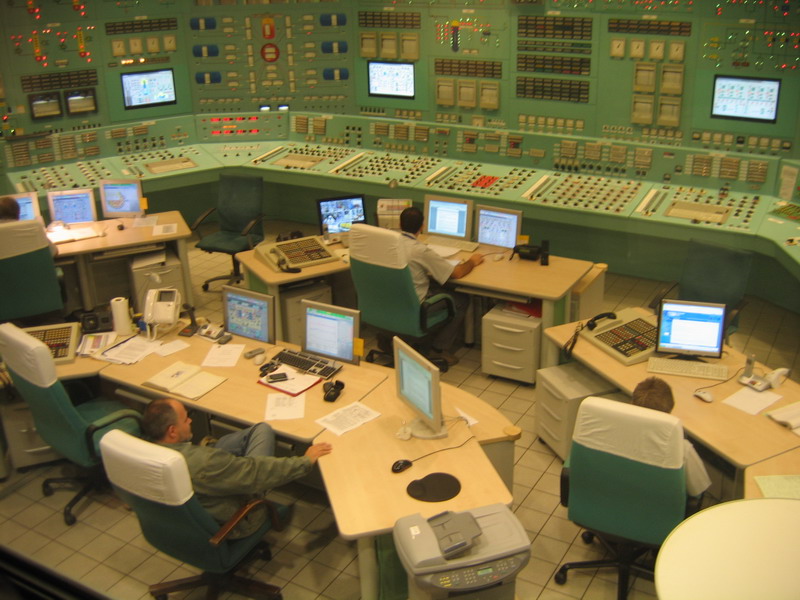
The prospective full cessation would be the first total shutdown of Paks since it entered service in 1986, CE Energy News noted. A complete halt would remove a critical pillar of the country’s energy mix at a time when a prolonged heat wave is driving up electricity demand.
"The Danube's record low levels forced the shutdown of Hungary's only nuclear plant," BBC reported.
Energy analysts warn that the loss of Paks’ output could compel Hungary to lean heavily on fossil‑fuel imports, straining both the national grid and the government’s climate commitments. Anadolu Ajansı highlighted the risk of an emerging energy crisis, while DW and UA.NEWS stressed that Romania is already curbing its own nuclear generation, compounding regional supply pressures.

Prime Minister Viktor Orbán’s administration has framed the situation as an extraordinary natural event, but opposition parties and environmental groups have called for accelerated investment in renewable capacity to reduce dependence on a single, water‑intensive power source.
While the exact shutdown date remains under discussion, the convergence of a severe drought, soaring temperatures, and dwindling river flow has placed Hungary at a critical crossroads for its energy policy.


