The Sacred Duty at the Roof of the World
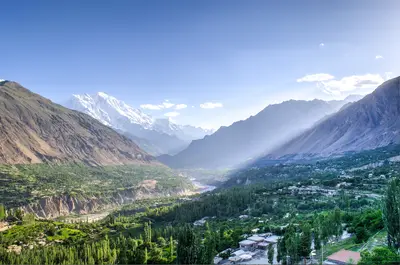
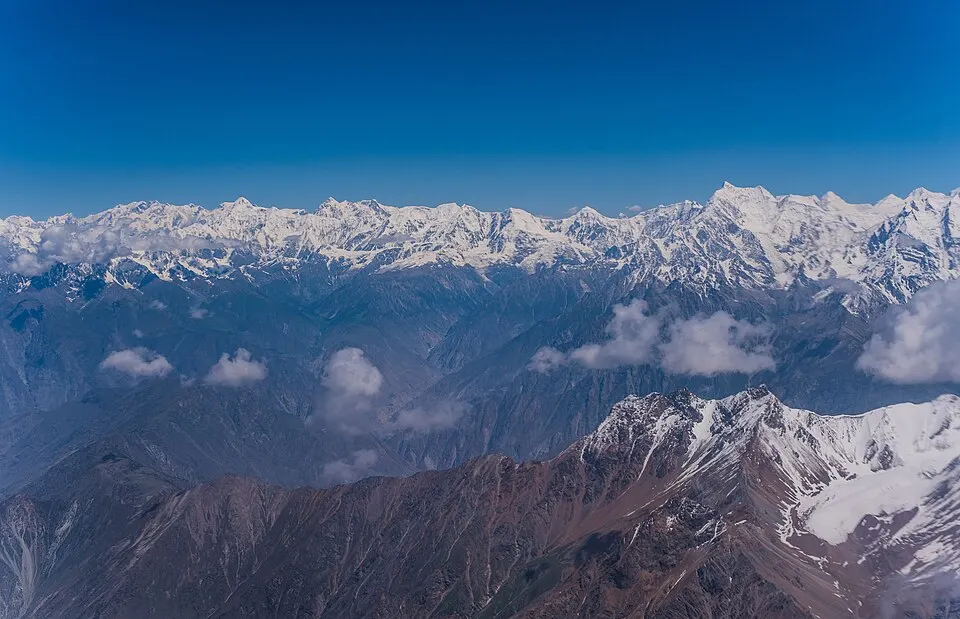
In the shadow of the Karakoram, where sheer granite walls slice into the sky and icy winds scour the river valleys, the landscape offers little quarter to the solitary traveler. Spanning the high-altitude borders of Pakistan, China, and India, with its far reaches touching Afghanistan and Tajikistan, this mountain range houses four of the world’s fourteen eight-thousanders—including the formidable K2, the second highest peak on Earth. Here, the sheer scale of the terrain dominates every aspect of human life. Yet, amid this wall of frost and stone exists an extraordinary human warmth, a culture where opening one's door to a stranger is not merely a polite gesture, but an absolute imperative of alpine survival.
In these remote valleys of Northern Pakistan, hospitality functions under a timeless, unwritten code. To cross a mountain pass is to place one's life in the hands of whoever holds the valley below. In an environment where a sudden blizzard or a treacherous rockfall can turn a day's trek into a fight for life, the distinction between a guest and a survivor blurs. To refuse shelter is unthinkable; to grant it is a sacred duty that has endured for centuries, entirely untouched by the rise of commercial tourism.
A Crossroads of Civilizations
The profound generosity found in the Karakoram is deeply interwoven with the broader cultural tapestry of Pakistan. Situated historically at the crossroads of Central, South, and West Asia, the region has long served as a melting pot of diverse civilizations. Over centuries, a distinct cultural identity emerged—a rich fusion of Turco-Persian, Arab, Afghan, and North Indian influences. Travelers moving along the ancient trade routes that bisected these soaring valleys brought with them languages, customs, and philosophies, creating a resilient hub of cultural diversity.
This rich heritage persists today across Pakistan’s diverse ethnic groups, each maintaining unique traditions in dress, regional cuisine, and social rituals. While Islamic values form an overarching framework across the region, fascinating pre-Islamic customs continue to influence local mountain traditions. From distinct regional wedding ceremonies to unique communal gatherings, the heritage of the Karakoram reflects a deep historical memory. In these high-altitude communities, accepting a guest is seen through an almost spiritual lens—recalling the timeless ideal articulated by the 18th-century French philosopher Louis, chevalier de Jaucourt, who described hospitality as "the virtue of a great soul that cares for the whole universe through the ties of humanity."

The Karakoram range contains four of the world’s fourteen eight-thousanders, including K2, creating one of the most rugged and isolated high-altitude environments on Earth.
Beyond the Commercial Gaze
In the modern era, as digital connectivity reaches the furthest corners of the globe, the world is beginning to take notice of these mountain sanctuaries. The sheer appeal of the region's unseen landscapes and fierce generosity was recently illustrated by a video tour that has drawn 4.1 million views, captivating global audiences eager to glimpse a world where human connection remains raw and unscripted. Yet, despite growing international curiosity, the fundamental ethos of the Karakoram remains fiercely uncommercialized.
Unlike the globalized service industry, where hospitality is a transaction designed to augment the sales of an organization, the mountain code operates on a principle of goodwill and unconditional welcome. In the small villages clinging to the sides of Hunza, Baltistan, and the surrounding passes, offering tea, bread, and a warm hearth to a weary hiker is not a service to be billed. It is an act of solidarity against the harshness of the elements. The host receives the stranger with genuine honor, sharing whatever sparse provisions the household possesses.
The Enduring Ethos of the Pass
As modern infrastructure slowly winds its way through the steep gorges of Northern Pakistan, bringing paved roads and new economic opportunities, the high-altitude code of hospitality faces a changing world. Yet, the mountain landscape itself remains a powerful equalizer. As long as the Karakoram’s glaciers grind through the valleys and K2 casts its immense shadow across the land, the fundamental reality of this environment will not alter. Survival here will always require mutual reliance, trust, and an open door.

For those who journey into these formidable heights, the most lasting memory is rarely just the breathtaking scale of the summits. It is the realization that in one of the most unforgiving environments on Earth, human empathy has not merely survived—it has elevated into an art form, safeguarding a sacred bond between host and stranger that no modern trend can erode.