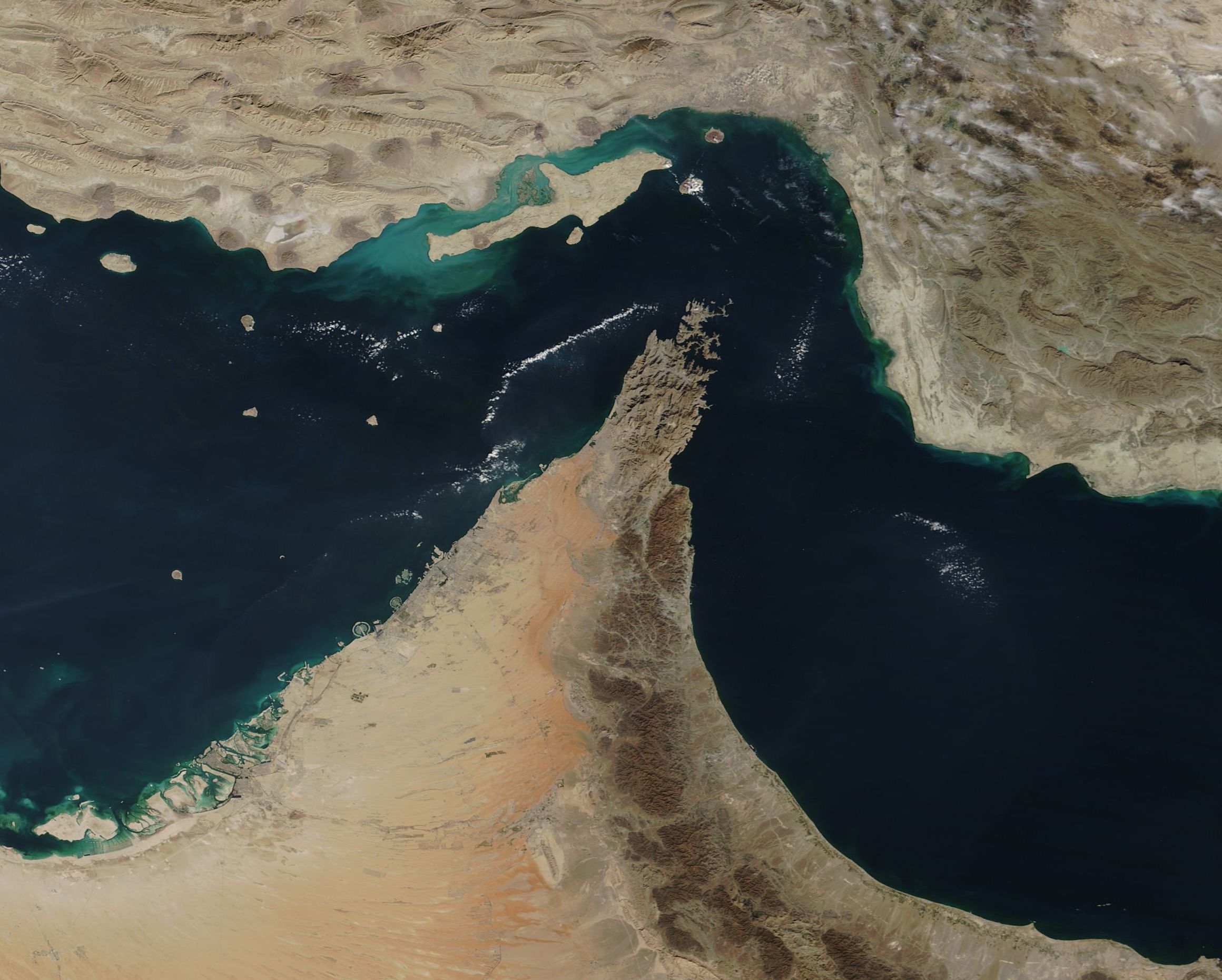
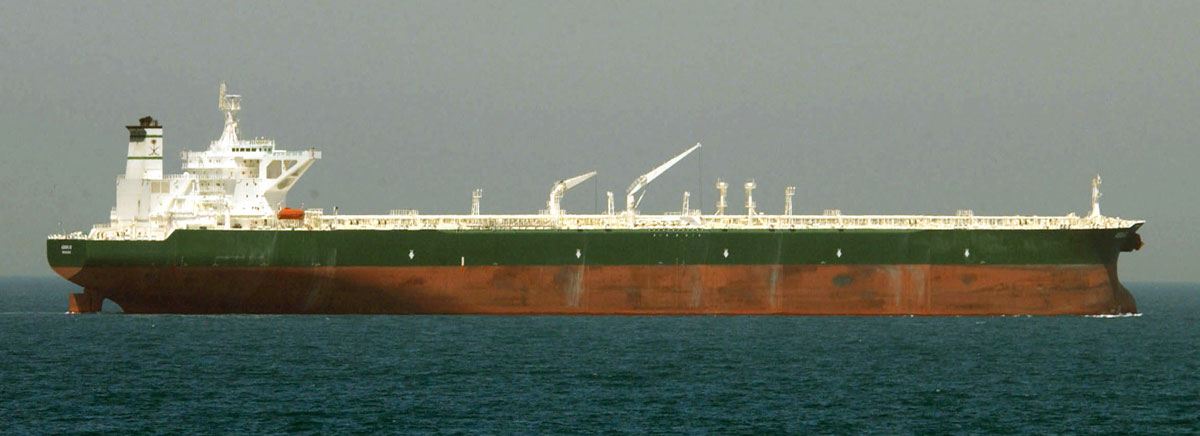
The military confrontation between the United States and Iran intensified sharply as Tehran's Revolutionary Guard struck at least three ships in the Strait of Hormuz, including an oil tanker, while Washington carried out its tenth consecutive night of bombing raids against Iranian targets. The coordinated Iranian attacks on shipping, combined with threats from Houthi forces to blockade Saudi Arabia, have caused vessel traffic through the world's most important oil transit corridor to decline significantly.
Iran's Revolutionary Guard claimed responsibility for hitting two ships in the Strait of Hormuz along with targets in Bahrain and Jordan, according to the BBC. Multiple outlets reported that crew members abandoned at least one tanker following the attack, with ships on fire in the strategic waterway. A separate vessel was also struck off the coast of the United Arab Emirates, according to Seatrade Maritime News.
US Campaign Continues Despite Casualties
The American strikes represent retaliation for attacks that killed US soldiers in Jordan and Iraq, with President Trump warning of further consequences. The Pentagon has acknowledged that almost 100 troops have been injured in recent weeks, The Guardian reported, as Iran launched reprisals targeting US allies across the region. The White House told Al Jazeera that military operations would continue unless Trump personally decides otherwise.

Iran has declared the situation a "full-scale war," according to The Guardian's reporting on Tehran's official statements.
Shipping Crisis Deepens
The renewed fighting has placed severe strain on the Strait of Hormuz, through which roughly one-fifth of global oil supplies typically pass. Reuters reported that vessel crossings have extended their decline amid the fresh attacks, with CNBC noting that ships are actively avoiding the strait. India Today reported that US strikes have failed to reopen the vital oil route, suggesting the military campaign has not yet achieved its strategic objective of restoring freedom of navigation.
Regional Complications Mount
The conflict's expansion beyond direct US-Iran exchanges has added new dimensions to the crisis. Reuters reported that Houthi forces announced a naval blockade of Saudi Arabia, threatening to open another front in the expanding war. France 24 characterized the Middle East as stuck in a "cycle of enhanced risk" as the two adversaries exchange strikes. According to CNBC, international mediators are pushing for a 10-day ceasefire, though neither side has publicly committed to halting operations.
The escalating confrontation has raised concerns about broader regional stability and global energy markets, with the attacks on commercial shipping marking a significant intensification in tactics. The situation represents one of the most serious direct military confrontations between Washington and Tehran in decades, with both capitals showing little indication of backing down from their current courses of action.


