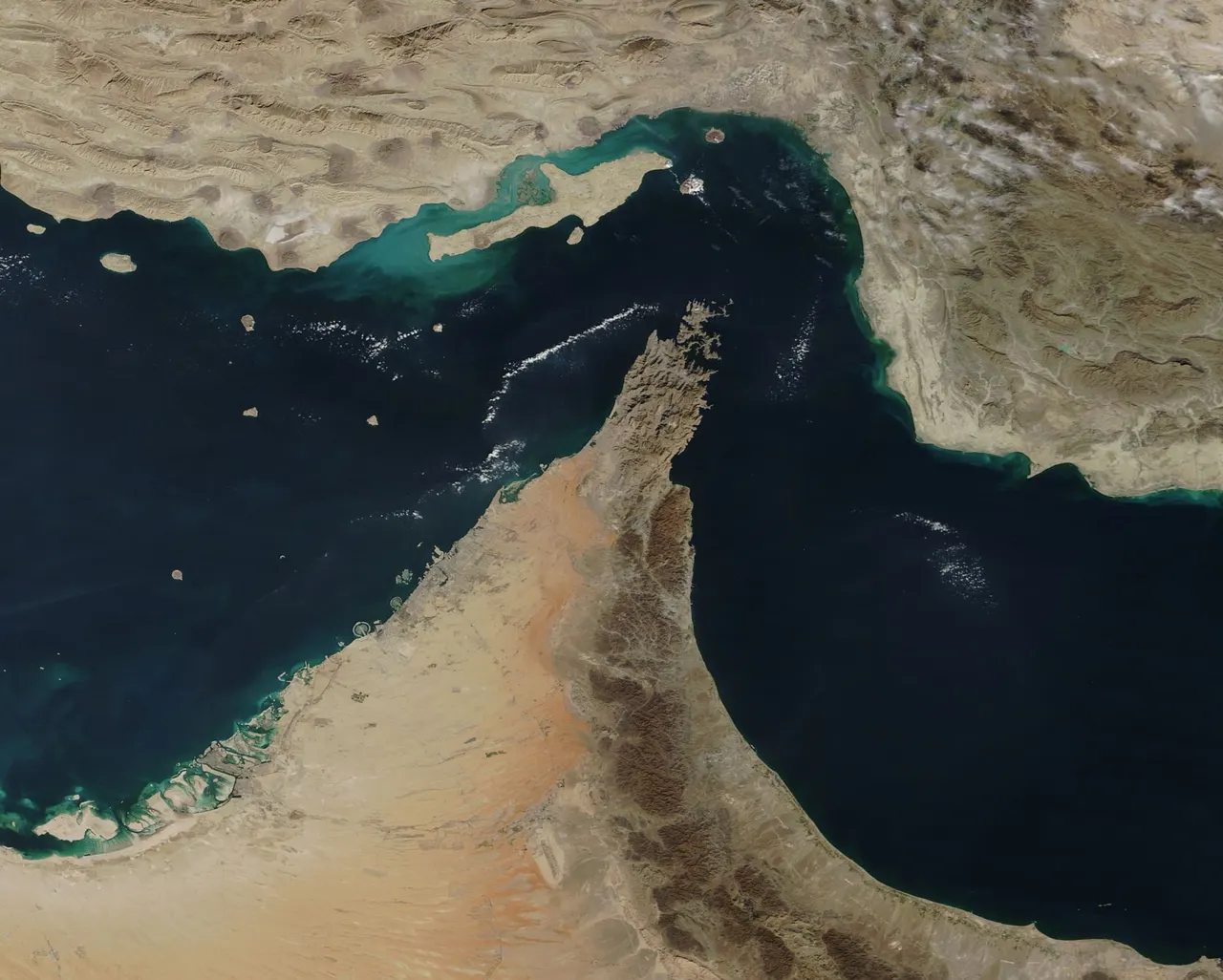
An Iranian military operation involving drones and ballistic missiles struck a civilian industrial facility in Bahrain late Saturday, according to the Bahraini Interior Ministry. While regional authorities reported that the strike caused a fire and material damage, the Iranian Revolutionary Guard Corps (IRGC) asserted that the mission was specifically aimed at two U.S. military positions at the al-Riffa and Awali bases. Bahraini defense officials maintained that their air defense systems intercepted several incoming threats, resulting in falling shrapnel but no injuries among the local population.
What were the specific targets of the attack?
Official accounts regarding the intended targets of the operation differ significantly between the affected kingdom and the Iranian military establishment. While the Bahraini Interior Ministry and the Bahrain Defense Force identified the strike as an attack on a civilian industrial compound that ignited a blaze, the IRGC broadcast a conflicting narrative. According to reports from the Fars news agency, the Iranian military operation was designed to engage four distinct U.S. installations across the country, explicitly naming the Sheikh Isa and Juffair bases. Furthermore, the IRGC claimed that the offensive successfully destroyed two Patriot air defense radar systems stationed at the al-Riffa and Awali bases. These claims regarding the destruction of American military hardware have not been verified by the United States Central Command or Bahraini officials, who have focused their public statements on the damage sustained by the industrial facility.
What is the broader context of the regional escalation?
The incident in Bahrain occurs amid a significant surge in maritime and military tensions across the Persian Gulf region. Throughout the last several weeks, the Strait of Hormuz has experienced a consistent increase in hostile encounters, with reports from the UK Maritime Trade Operations Center noting a high volume of incidents involving commercial shipping vessels. According to maritime security data analyzed by NewsCord, roughly 50 incidents targeting vessels in and around the strait have been recorded since late September, including at least three oil tankers reportedly struck by projectiles or naval mines during the most recent Saturday operation. Iran’s military, represented by spokesperson Brigadier General Mohammad Akraminia, characterized these aggressive maneuvers as a response to perceived violations of Iranian sovereign airspace and maritime movement.
"Any new aggression will be met with a decisive, immediate and effective response from the armed forces, and the defence of the country will not be limited to a specific geographical area." — Brigadier General Mohammad Akraminia, as reported by IRIB.
What is still unclear and what happens next?
Significant gaps remain in the available information, particularly regarding the exact location of the industrial facility damaged in the strike, which Bahraini authorities have declined to identify by name. There is also a major discrepancy in the reported scale of the operation: whereas Bahraini officials characterized the event as a series of intercepted attacks, Iranian state media suggested a far more extensive campaign against U.S. infrastructure. No independent confirmation has emerged to validate the IRGC’s assertion that U.S. Patriot radar systems were hit or destroyed. Additionally, while the Bahraini government has called for international intervention and compensation through the United Nations, it has not yet provided a detailed timeline for diplomatic or military follow-up actions. As of late Sunday, no major international body had issued a binding resolution, and neither the U.S. Department of Defense nor the Bahraini leadership had provided a public assessment regarding the total extent of the material losses or potential shifts in military posture.
Sources: This report draws on coverage by Al Jazeera, Euronews.com, NewsCord, Anadolu Ajansı, Reuters, Haaretz, Arab News, Middle East Eye. The wording is our own.