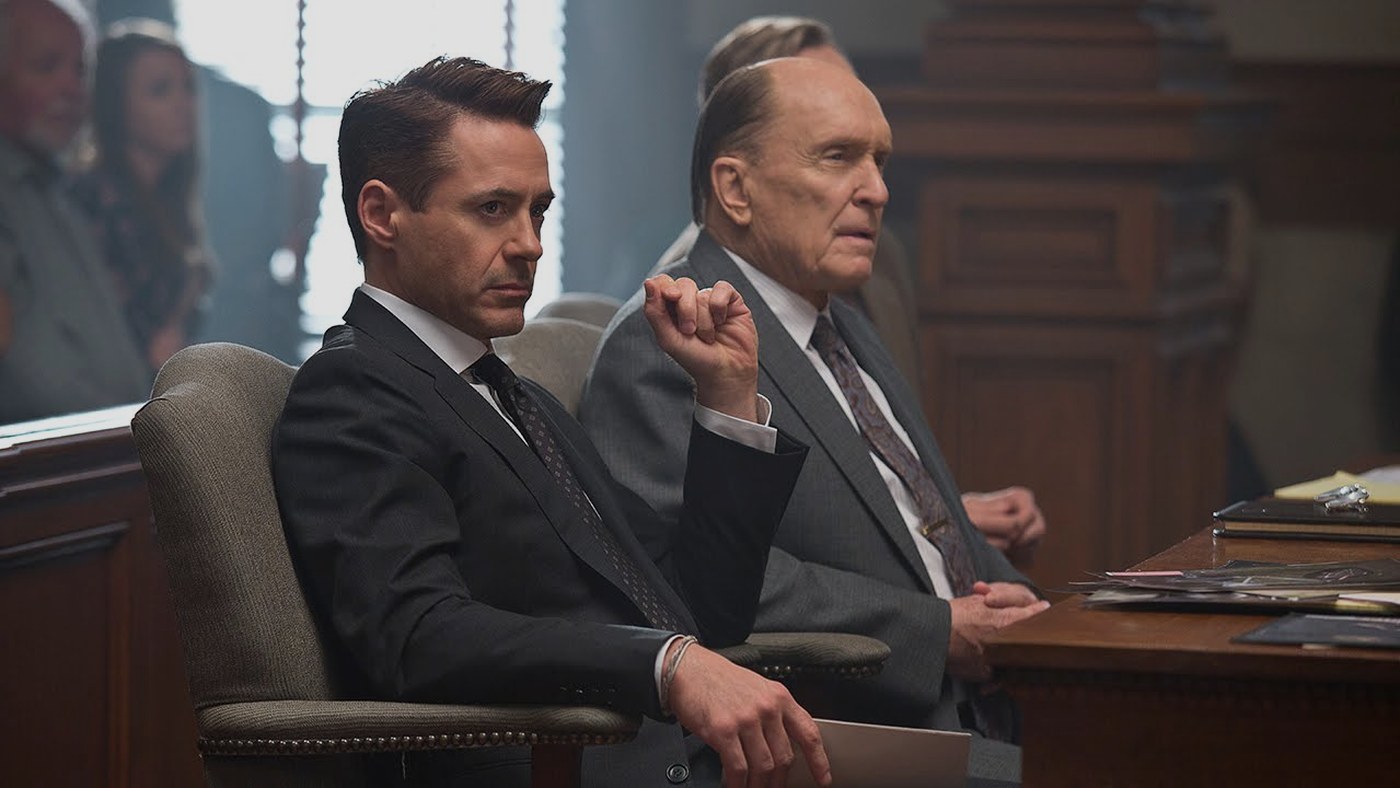
Collision Course has emerged as a prominent title on the global Netflix charts, currently holding the #2 spot on the streaming service's film rankings. The central question for potential viewers is whether this high-concept thriller delivers on its promise of sustained suspense from start to finish.
This review is spoiler-free, focusing exclusively on the narrative tension and the overall viewer experience rather than the specific resolutions of the plot.
What defines the premise of Collision Course?
Collision Course is a 2026 Netflix original thriller that opens with a bank heist set against the backdrop of 2013 Madrid. While the robbery serves as the initial catalyst, the true tension of the film is rooted in the aftermath of a catastrophic accident during the getaway, which forces the crew to confront their conflicting personal histories. The narrative is built entirely upon this foundation of eroding trust among team members rather than the mechanics of the crime itself.2
During the opening thirty minutes, the film maintains a formidable rhythm. The camera avoids lingering excessively on any single scene, employing an editing style that keeps the pace brisk while introducing the ensemble cast. This approach favors viewers who prefer to be thrust directly into the action, with narrative details filled in as the situation escalates.
The sound design during these opening sequences is particularly effective, emphasizing the claustrophobic atmosphere within vehicles. By elevating subtle cues like labored breathing and abrupt silences, the film builds conflict through moments of anticipation rather than simple confrontation. For those watching with an immersive audio setup, this attention to sonic detail creates a tangible sense of unease.

What are the strengths of the film?
The performance of the cast stands out as the most reliable element of Collision Course. The primary actors maintain a delicate balance of suspicion that feels authentic without veering into melodrama. Achieving this equilibrium is difficult, as overplaying the tension leads to caricature while underplaying it causes the narrative momentum to sag, yet the film manages to navigate this boundary successfully in most scenes.
A second strength lies in the effective use of location. The film does not rely on a monolithic aesthetic, successfully transitioning between the bank interior, the escape vehicle, and urban streets. The environment is treated as more than a static background; the physical impact of the accident serves to deform the space, reflecting the instability of the characters' plans. This visual shift provides the audience with a sense of dread that complements the dialogue.
Finally, the film benefits from a clear, unwavering narrative intent. It is explicitly marketed not as a story of meticulous heists, but as a study of the consequences of failure. Because this focus is established in the opening minutes, the story remains cohesive for its hundred-minute runtime. While the characters are not deeply developed in a traditional sense, their individual roles and motivations within the scene are consistently readable.
Why does the second half of the film divide audiences?
Collision Course undergoes a significant shift in tone and narrative direction during its second half. While some viewers may find this pivot refreshing, others might experience it as a rupture in the film's rhythm. The lean, tension-driven language of the first act evolves into a more expositional, descriptive tone as the story nears its conclusion.
This shift is a deliberate stylistic choice, yet it has clearly resulted in polarized audience reactions. Critics have lauded the acting and atmosphere, while others have expressed dissatisfaction with the final act, describing it as disjointed.567 It is critical for viewers to adjust their expectations accordingly: the film prioritizes the psychological fallout of a broken partnership over the clinical precision of a heist movie.
The most demanding element of the script arrives near the conclusion, where two distinct narrative threads are introduced simultaneously. The film attempts to reconcile the current high-stakes crisis with extended flashbacks explaining character motivations. Balancing these two flows is a difficult task, and viewers who lose focus may find themselves struggling to piece the final ten minutes together.
Notes and Sources
- Netflix Tudum Top 10 data: As of November 4, 2026, Collision Course ranks #2 on the film charts. netflix.com/tudum/top10/turkey ↩
- Netflix title page and official synopsis: videoId 82078375. netflix.com/title/82078375 ↩
- Official trailer (Netflix YouTube channel). youtube.com/watch?v=8hVLhaK619k ↩
- JustWatch search index: Registry of Collision Course availability. justwatch.com/tr/arama?q=Collision%20Course ↩
- IMDb title page: cast and primary production record. imdb.com/title/tt35048913 ↩
- Rotten Tomatoes search record: discovery and review index. rottentomatoes.com/search ↩
- Metacritic search record: aggregator notes. metacritic.com/search/collision%20course ↩
This is a spoiler-free review. The content contains scenes of violence and criminal activity.