Italy is confronting a twin controversy that links police surveillance practices with gender‑based harassment, after a privately‑owned body camera recorded a police intervention in Bologna and a vice‑mayor in Livorno was publicly insulted for wearing shorts. The episodes have sparked heated debate over the balance between public safety, individual privacy and respect for personal dignity.
Bologna Bodycam Incident
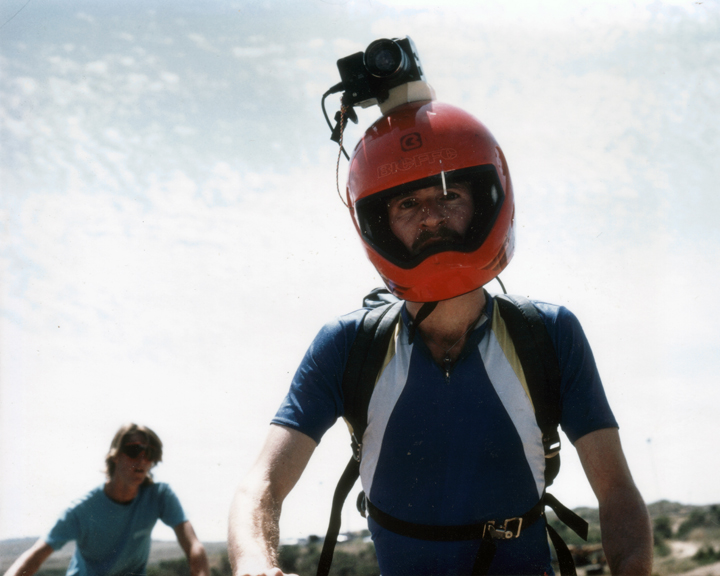
In Bologna, a police officer used a personal body‑camera during an operational response, capturing the entire encounter on video. The footage, which has since been circulated on social media, shows the officer confronting a suspect while the device records from the officer’s own equipment rather than an officially issued camera. According to Corriere della Sera, the officer later explained that he kept the recording "Presa per tutelarmi" – a phrase translated as “taken to protect myself.”
The incident has raised questions about the legal status of private recording devices in law‑enforcement actions. While Italy’s national guidelines permit the use of body‑cameras issued by police forces, they do not clearly address the deployment of personal equipment. Critics argue that the lack of regulation creates a grey area where evidence could be mishandled or privacy rights infringed, especially if footage is uploaded without consent from all parties involved.
Legal experts and civil‑rights groups have called for a swift clarification of the rules governing body‑camera usage. They stress that transparent protocols are essential to maintain public trust, ensure the admissibility of evidence in court, and protect the privacy of citizens who may be inadvertently recorded.

Livorno Vice‑Mayor Harassment
In a separate case that underscores the gender dimension of the broader debate, the vice‑mayor of Livorno faced a torrent of online insults after she appeared in public wearing a pair of shorts. Corriere della Sera reported that the official was "insultata per un paio shorts" and that the barrage of comments from women specifically targeted her appearance rather than her policies or political stance. She later expressed how the experience affected her, stating:
"Ferita dai tanti commenti di donne: colpito il mio corpo, non le mie idee."
The vice‑mayor’s remarks highlight a persistent problem in Italian public life: women in positions of authority are frequently subjected to scrutiny that focuses on their bodies rather than their professional contributions. Advocacy groups have linked this harassment to a broader culture of gender‑based disrespect that can undermine democratic participation.
Both incidents have converged in the public sphere, with activists using the Bologna footage controversy to call for stricter oversight of police documentation, while simultaneously condemning the misogynistic tone of the Livorno harassment. Social‑media campaigns have employed the hashtag #PrivacyAndRespect to demand that authorities address both the procedural gaps in body‑camera policy and the societal attitudes that permit demeaning commentary toward female officials.

Government officials have responded with tentative measures. The Interior Ministry announced a review of existing body‑camera regulations, indicating that a draft amendment could be presented to Parliament within the next few months to explicitly prohibit the use of personal recording devices during official duties without prior authorization. In parallel, the Ministry for Women, Family and Equal Opportunities pledged to strengthen legal recourse for public figures who experience gender‑based slurs, citing the Livorno case as a catalyst for new protective provisions.
As investigations continue, Italy’s legal and political establishments face mounting pressure to reconcile the twin imperatives of security and civil liberties. The outcomes of the Bologna and Livorno cases may set precedents that shape how law‑enforcement transparency and gender respect are codified in the country’s evolving democratic framework.


