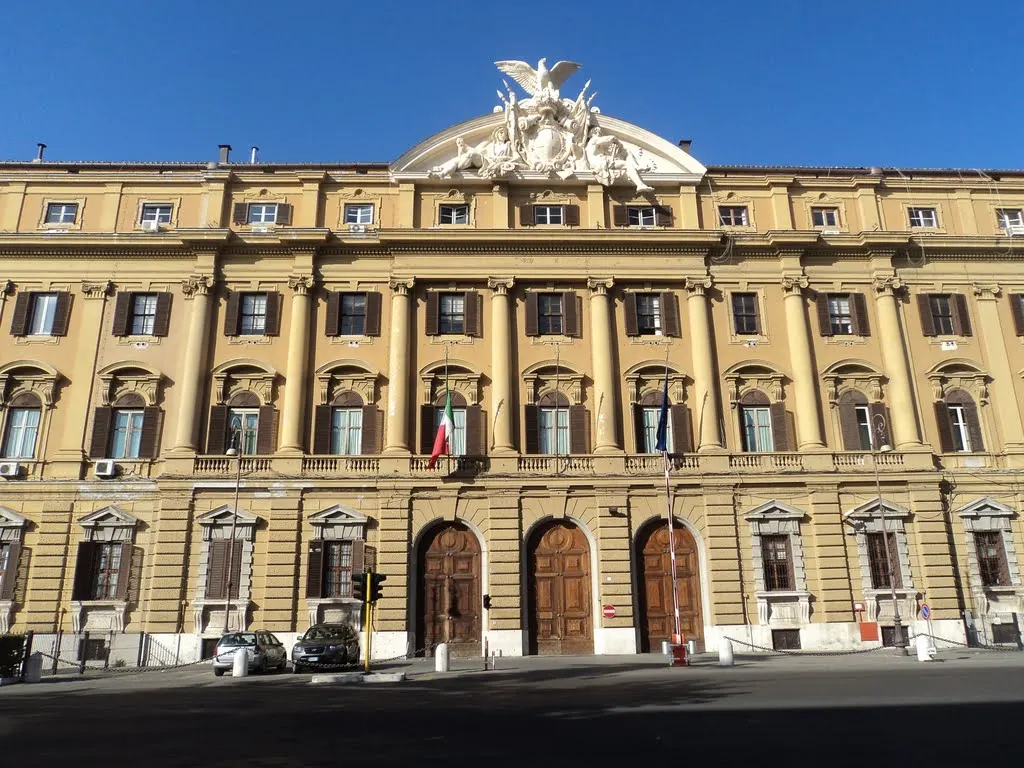
The European Commission has released new economic projections indicating that Italy is on track to lower its budget deficit to 2.9% of gross domestic product in 2026, a milestone that could facilitate the country's exit from the European Union's excessive deficit procedure by the spring. This forecast, which represents a decrease from the 3.1% deficit recorded in 2025, suggests that Italy may finally fall below the critical 3% threshold established by the Stability and Growth Pact, provided the government maintains these fiscal targets. The potential policy shift is being monitored closely in Rome, where the Ministry of Economy and Finance, led by Giancarlo Giorgetti, continues to navigate complex national fiscal requirements alongside regional obligations.
Economic Growth and Inflationary Pressures
The European Commission has notably increased its expectations for Italian economic performance, now projecting a 1% growth in GDP for 2026. This upward revision stands in contrast to the more conservative 0.5% growth estimate previously issued in the spring. While the broader European Union has seen a rebound driven by stable consumer spending and high demand for artificial intelligence and infrastructure technology, Italy's growth trajectory remains tempered, with projections set at 0.7% for 2027 and 0.8% for 2028. Inflationary challenges persist across the continent, with the Commission estimating Italy's annual inflation rate at 3.4% in 2026, slightly above the euro area's aggregated expectations. Domestic analysts, including those reporting via Il Foglio, have highlighted that while inflation remains a concern, the labor market has shown resilience, with unemployment levels holding steady near historic lows.

The European Commission estimates that Italy's budget deficit will hit 2.9% of GDP in 2026, potentially allowing for the conclusion of the excessive deficit procedure by next spring.
Context of the Excessive Deficit Procedure
The European Union, a political and economic union currently comprising 27 member states, utilizes the excessive deficit procedure to ensure fiscal discipline among its members. Italy, as a major economy within the bloc, has long faced scrutiny over its public debt-to-GDP ratio, which remains the highest among the member nations. The Italian government has recently sought to utilize the National Escape Clause of the Stability and Growth Pact to justify increased spending on critical sectors, specifically energy and defense infrastructure. This maneuvering is intended to balance immediate national investment needs against the structural requirements mandated by Brussels. The European Commission, which functions as the executive arm of the European Union, remains the final arbiter in evaluating whether member states meet these rigorous financial criteria.

What remains uncertain regarding the 2027 fiscal outlook?
Despite the optimistic outlook for 2026, there is significant divergence in the projected figures for the following year. While the European Commission suggests that Italy could see its deficit rise to 3.5% of GDP in 2027, the long-term impact of this anticipated increase on Italy's standing within EU disciplinary frameworks remains a subject of debate among market observers. Outlets such as ANSA and UA.NEWS have highlighted this discrepancy between the 2026 exit window and the 2027 budget projections. Furthermore, while officials like Valdis Dombrovskis have indicated that a spring exit is a viable possibility, the final decision rests on the actual performance data verified in the coming months. It remains unconfirmed whether current government investment strategies in defense and energy will sufficiently mitigate the debt pressures forecasted for the end of the decade, as the Commission continues to model a potential debt peak in 2027.
Sources: This report draws on coverage by Corriere della Sera, UA.NEWS, ANSA, Reuters, italien.news, Agenzia Nova, Il Foglio, la Repubblica. The wording is our own.