
Tokyo – The Japanese cabinet scrapped its proposal to reduce the consumption tax on food from the current 10% to a lower rate after failing to secure backing from opposition lawmakers, Prime Minister Fumio Takaichi said in an evening press conference. The move, which had been touted as a key measure to ease household expenses, now adds to a series of policy setbacks for a government already grappling with a sharp yen depreciation and dwindling approval ratings.
Fiscal rationale and political gridlock
Initial drafts of the tax reform called for a cut to as low as 1% according to reports from 産経ニュース and the economic analysis site economy.ac, while other outlets such as The Japan Times referenced a 5% target. The discrepancy reflects internal debate within the ruling Liberal Democratic Party (LDP) about the depth of the cut needed to offset rising food prices and inflation. Proponents argued that a steep reduction would directly relieve consumers, whereas fiscal conservatives warned it would widen the budget gap at a time when Japan’s public debt already exceeds 250% of GDP.
Opposition parties, including the Constitutional Democratic Party and Komeito, labelled the proposal a “betrayal” of their earlier commitments to fiscal prudence. 産経ニュース described the opposition’s stance as a “change of heart” that forced the ruling coalition to abandon the scenario it had built around the tax cut. The LDP’s misreading of parliamentary support, the outlet added, “undermined its legislative strategy and exposed a gap between promises and political reality.”

“We cannot proceed with a food tax cut that would jeopardize fiscal stability,” Prime Minister Takaichi told reporters, according to Reuters.
Economic backdrop and yen weakness
The tax debate unfolds against a backdrop of a weakening yen, which has slid to its lowest level in nearly four decades, as noted by economy.ac. The currency’s decline has inflated import costs, exacerbating the very cost‑of‑living pressures the tax cut sought to address. Analysts at MUFG, cited by FXStreet, warned that continued fiscal looseness could further erode confidence in the yen, especially as the U.S. Federal Reserve maintains a tighter monetary stance.
Domestic fiscal pressure is also intensifying. investingLive reported that Prime Minister Takaichi has called for an exit from “excessively tight fiscal policy,” but the abandoned tax cut signals a reluctance to deepen stimulus without a clear funding source. Meanwhile, the government’s revenue gap widens, prompting discussions about alternative measures such as targeted subsidies or temporary exemptions, though no concrete plan has emerged.
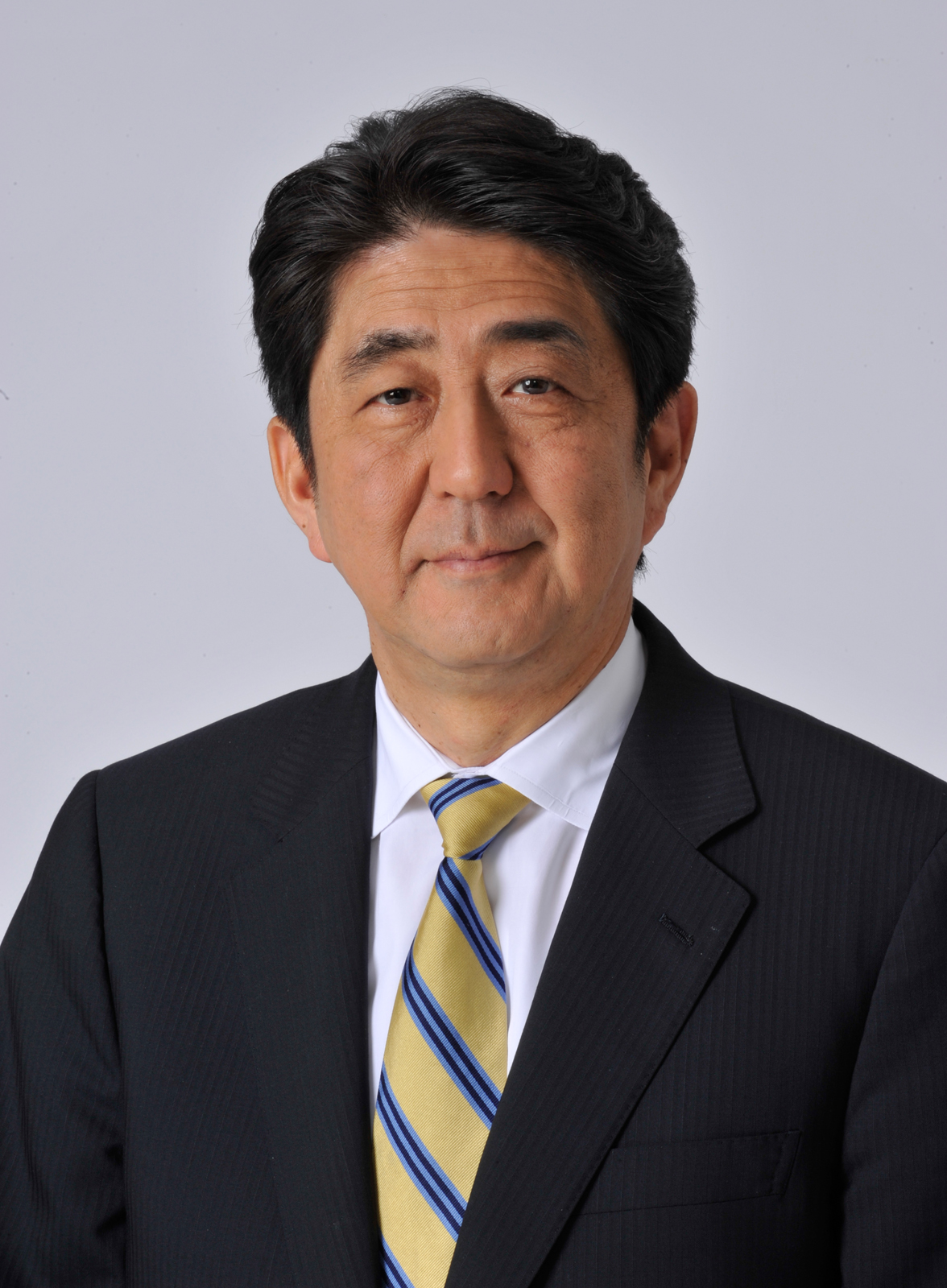
Public sentiment towards the administration has deteriorated sharply. Surveys compiled by Devdiscourse and Newswav show Takaichi’s approval rating slipping below 30%, the lowest since his tenure began. The Prime Minister’s handling of the tax issue is cited as a primary factor, alongside broader concerns about inflation and the yen’s performance.
In response, Takaichi scheduled a press conference for the evening, as reported by nippon.com, to outline a revised economic agenda. Observers from Finimize suggest the next steps may involve a mix of modest tax adjustments, structural reforms, and diplomatic efforts to stabilise the yen, including coordination with the Bank of Japan.
While the abandoned food‑tax cut removes an immediate political flashpoint, it leaves the government facing a complex set of challenges: restoring fiscal balance, curbing living‑cost pressures, and regaining public trust. The outcome of the upcoming press briefing and any subsequent policy shifts will be closely watched by both domestic stakeholders and international markets monitoring Japan’s economic trajectory.


