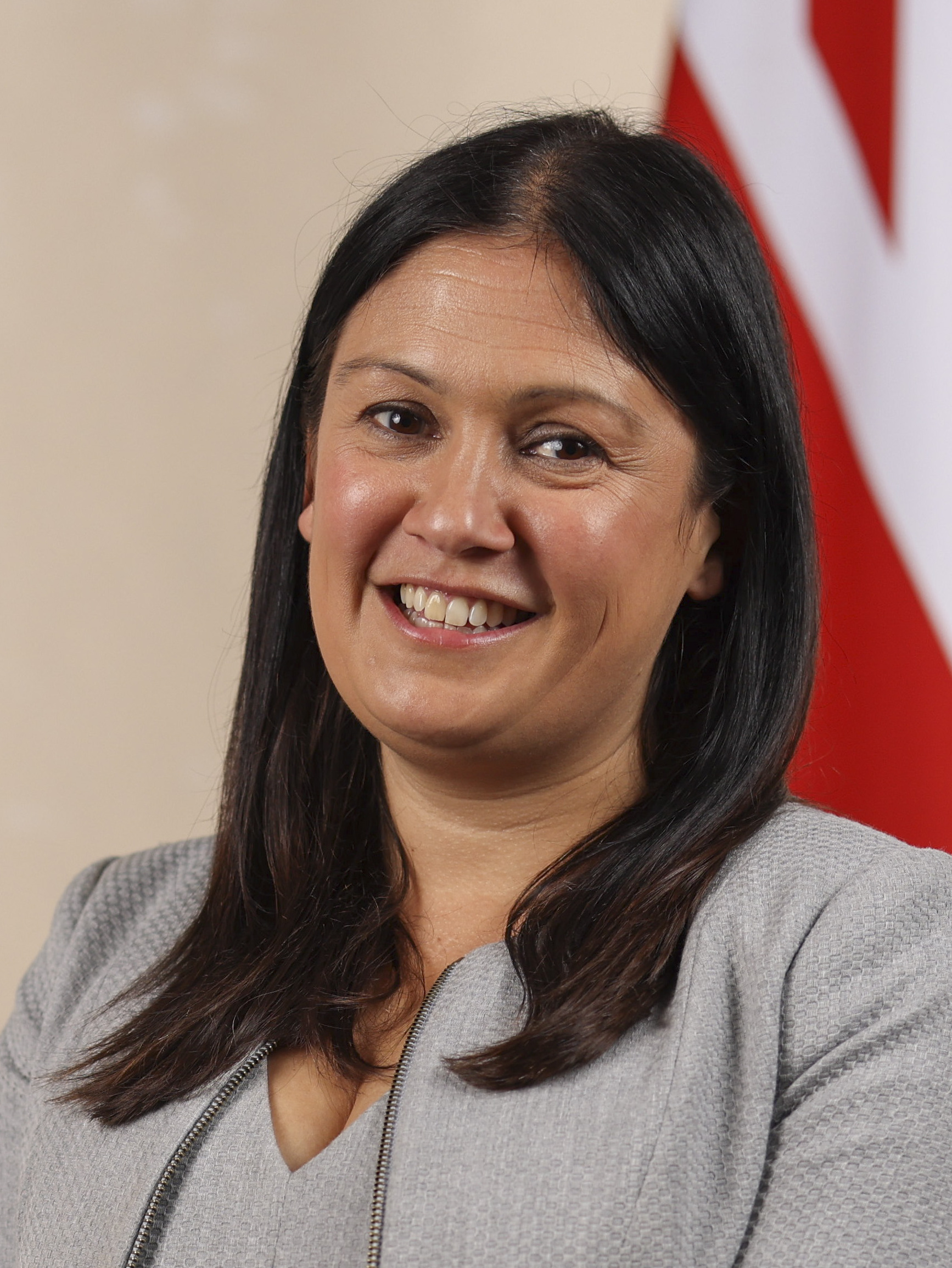
Continuity at the Department for Culture, Media and Sport
In a significant move during his first major cabinet reshuffle, Prime Minister Andy Burnham has confirmed that Lisa Nandy will remain in her post as Secretary of State for Culture, Media and Sport. The decision to retain Nandy, announced as part of a broader restructuring of the British government, signals a desire for stability within the department at a time when the creative industries are navigating profound technological and structural shifts.
Nandy’s reappointment has been met with broad support from various stakeholders, including charitable organizations, who view the consistency as a positive development for long-term policy implementation. Her continued leadership is seen as vital for steering the department through complex negotiations involving major media entities and broadcasting institutions, such as the BBC, which face mounting pressure to adapt to changing consumer landscapes.
Emerging Priorities and Technological Governance
The reshuffle also marked a historic pivot in government focus, with the appointment of Kanishka Narayan as the United Kingdom’s first-ever Minister for Artificial Intelligence. The pairing of a steady hand at the Culture brief with a dedicated focus on AI governance suggests that the Burnham administration intends to treat the intersection of creative intellectual property and synthetic media as a primary policy objective.
The decision to retain Nandy comes at a critical juncture for the creative sector, with major industry decisions regarding Paramount and Warner Brothers looming on the horizon.
The cultural sector is currently grappling with several high-stakes challenges. Beyond the oversight of national broadcasters, the ministry remains responsible for the fiscal health of the arts, with observers closely monitoring the influence of the new Chancellor on future funding structures. The interplay between Nandy’s cultural agenda and the new AI-focused initiatives will likely define the government’s approach to the digital transformation of the arts over the coming term.

A Cabinet Defined by Strategic Balance
The broader cabinet changes overseen by Prime Minister Burnham reflect a mix of experienced ministers and new faces, including high-profile appointments like John Healey, Angela Rayner, and Rachel Reeves. For the cultural sector, however, the emphasis remains on the continuity of leadership. By keeping Nandy at the helm of the Department for Culture, Media and Sport, the administration appears to be prioritizing institutional memory as it seeks to harmonize traditional artistic support with the rapid integration of artificial intelligence into the national economy.
As the new government finds its footing, the focus will inevitably shift toward how these ministerial portfolios interact. The collaborative potential between the culture department and the newly formed AI ministry is being watched closely, as these two pillars will dictate the regulatory environment for Britain’s creative practitioners in an increasingly digitized global market.


