A Victory in Absentia
In the landscape of contemporary literature, few events capture the duality of triumph and systemic restriction quite like the recent National Book Award ceremony. As the literary world convened to celebrate the year’s finest contributions, one name stood above the rest, even while the author remained physically absent from the proceedings. Abdelrahman ElGendy, author of the memoir Huna, has claimed the prestigious National Book Award for Nonfiction, a recognition that resonates far beyond the walls of the event space.
The circumstances surrounding his win have made Huna the singular talking point of the season. Just days before the ceremony, it was revealed that ElGendy had been denied a visa to enter the United States. Despite the uncertainty regarding his eligibility and the jarring reality of his forced absence, his work has emerged as a testament to the inescapable power of the written word to traverse the borders that governments seek to solidify.
The Weight of Huna
At its core, Huna is a profound exploration of personal history and state power. The memoir chronicles ElGendy’s experiences as a political prisoner in Egypt, providing a raw and unflinching look at the life of someone incarcerated for their political activities. By weaving his personal narrative into the broader tapestry of Egyptian literature—a tradition that traces its roots to the very origins of the written word—ElGendy invites readers to engage with the reality of detention and the resilience of the human spirit.
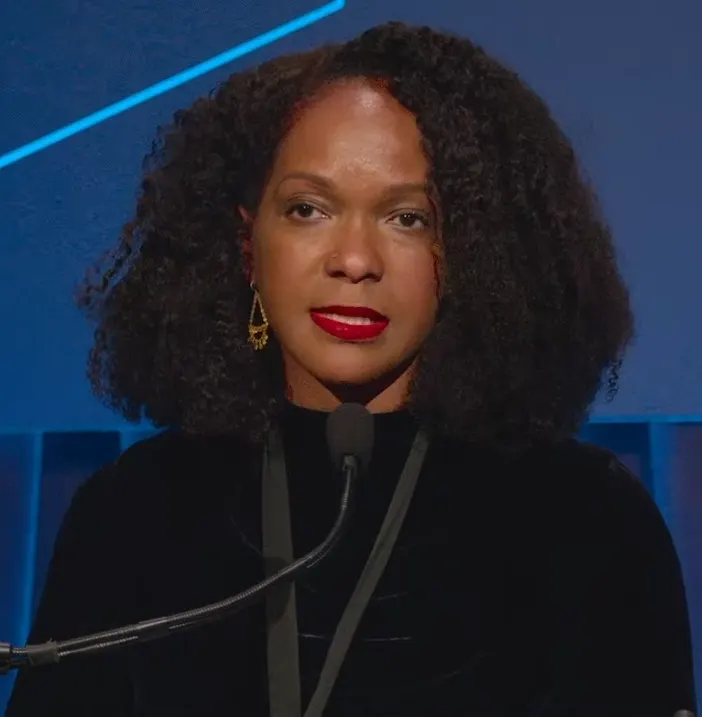
The author Abdelrahman ElGendy received one of the major American prizes for nonfiction in absentia for his memoir, “Huna.”
The reception of the book has been marked by a blend of critical acclaim and intense public discussion regarding the barriers faced by international writers. Outlets such as The New York Times and NPR have closely followed the narrative, documenting how ElGendy’s inability to attend the ceremony served to highlight the themes of his own work. While some early reports from the New York Times questioned the procedural eligibility of his nomination, the final decision of the committee underscores a clear recognition of the book's literary merit and its significance in our current global climate.

Why You Must Read Huna
Huna is not merely a book; it is a vital document for any reader interested in the intersection of individual agency and geopolitical reality. The Los Angeles Times and Democracy Now! have rightfully framed his victory as a moment of significant defiance, bringing necessary attention to the struggles faced by writers who challenge the status quo.
For those who value literature that functions as both art and historical testimony, Huna is an essential acquisition. It stands as a reminder that stories cannot be contained by visa denials or travel restrictions. As we navigate a year defined by its complexities, ElGendy’s memoir challenges us to look closer at the world around us and listen to the voices that are often systematically pushed to the margins. Whether you are a student of history, a human rights advocate, or simply a reader seeking a transformative narrative, this memoir demands your attention. It is a work that does not ask for permission to be heard; it simply exists, and in its existence, it prevails.
Sources: This report draws on coverage by The New York Times Books, NPR Books, The New York Times, The New Arab, The New Yorker, NPR, Los Angeles Times, Parade Magazine. The wording is our own.