The Emergence of Virtual Brain Models
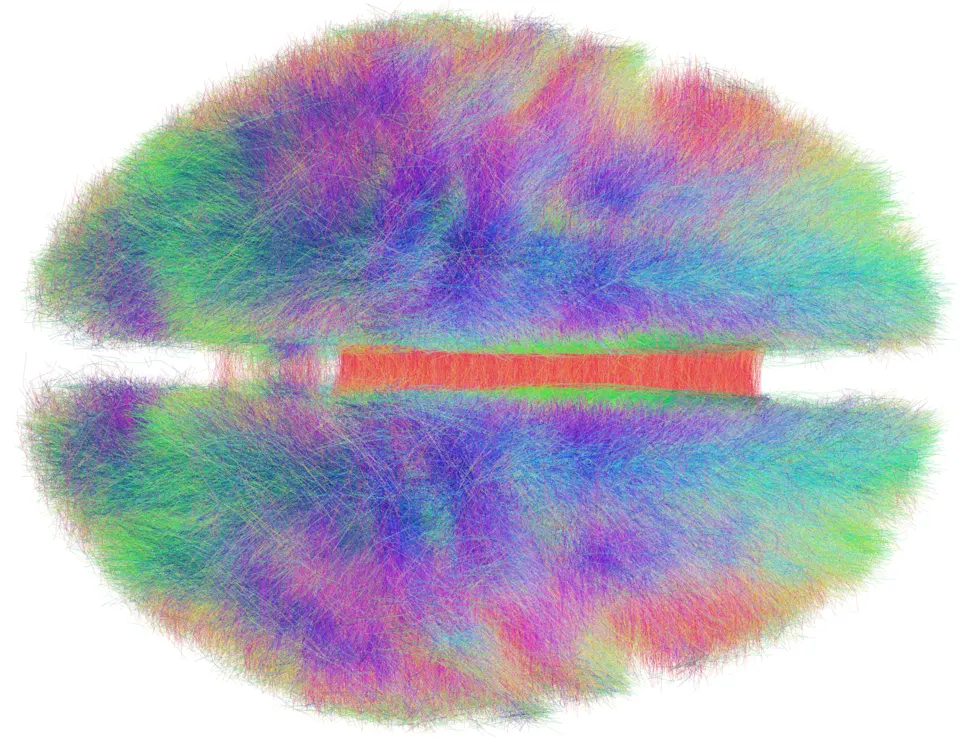
Researchers have recently reached a significant milestone in computational neuroscience by creating 6,986 digital brain twins. These virtual models, developed to study the intricate processes of aging and neurodegenerative conditions like dementia, represent a major step forward in how we analyze the brain's decline. The sheer scale of this project—with reports from Inside Precision Medicine, Medical Xpress, Neuroscience News, and Tomorrow's World Today confirming the creation of nearly 7,000 twins—highlights a growing global interest in the field. Indeed, public fascination with the science of aging is clear, as evidenced by a video on the subject garnering 3.2 million views.
By utilizing these digital twins, scientists are now able to simulate how different variables, including the "exposome"—the cumulative measure of environmental influences and associated biological responses—impact the brain over time. While these models are tools for simulation rather than direct human treatment, they provide a standardized environment to observe patterns that might otherwise take decades to identify in clinical observation.
The development of these digital twins allows researchers to explore the multifaceted nature of dementia and cognitive decline by testing variables in a virtual space, offering a scalable method to observe long-term trends in brain health.
Why Digital Twins Matter for Future Health
The transition toward personalized medicine relies heavily on our ability to predict health outcomes before clinical symptoms appear. Digital twins serve as a high-fidelity sandbox for researchers, allowing them to iterate on hypotheses regarding neurodegeneration without the time constraints of traditional longitudinal studies.

Understanding Your Cognitive Trajectory
While digital twins remain a research tool, they reinforce the value of proactive health management. Understanding that cognitive health is influenced by a range of environmental and biological factors, rather than a single "switch," is the first step toward better awareness.
- Focus on Environmental Awareness: Current research into the exposome emphasizes that our surroundings play a role in biological aging. Reducing exposure to known environmental toxins remains a sound health practice.
- Prioritize Cognitive Engagement: Dementia is characterized by a decline in cognitive processes, such as memory and problem-solving. Engaging in regular, varied intellectual activities may support ongoing cognitive function.
- Recognize the Complexity of Aging: Science distinguishes between normal age-related cognitive shifts and dementia, which is a progressive syndrome. Understanding this difference helps in maintaining a calm, evidence-based approach to your own health.
Myth-Busting: Aging Is Not Inevitable Decline
A common misconception is that significant memory loss is an unavoidable "normal" part of aging. In reality, while some cognitive changes occur, dementia is a distinct clinical syndrome that involves a substantive disruption in daily life and function. The myth often persists because of the progressive nature of these conditions, but medical science clarifies that age-related changes in memory or processing speed do not equate to the neurodegenerative path of dementia. By focusing on the environmental and biological markers now being studied through digital twin technology, researchers hope to better distinguish between typical aging and pathology, providing a clearer map for individuals as they age. If you have specific concerns regarding your own cognitive health or changes in memory, please consult a healthcare professional to discuss your individual needs.

Sources: This report draws on coverage by Inside Precision Medicine, Medical Xpress, Neuroscience News, Tomorrow's World Today. The wording is our own.