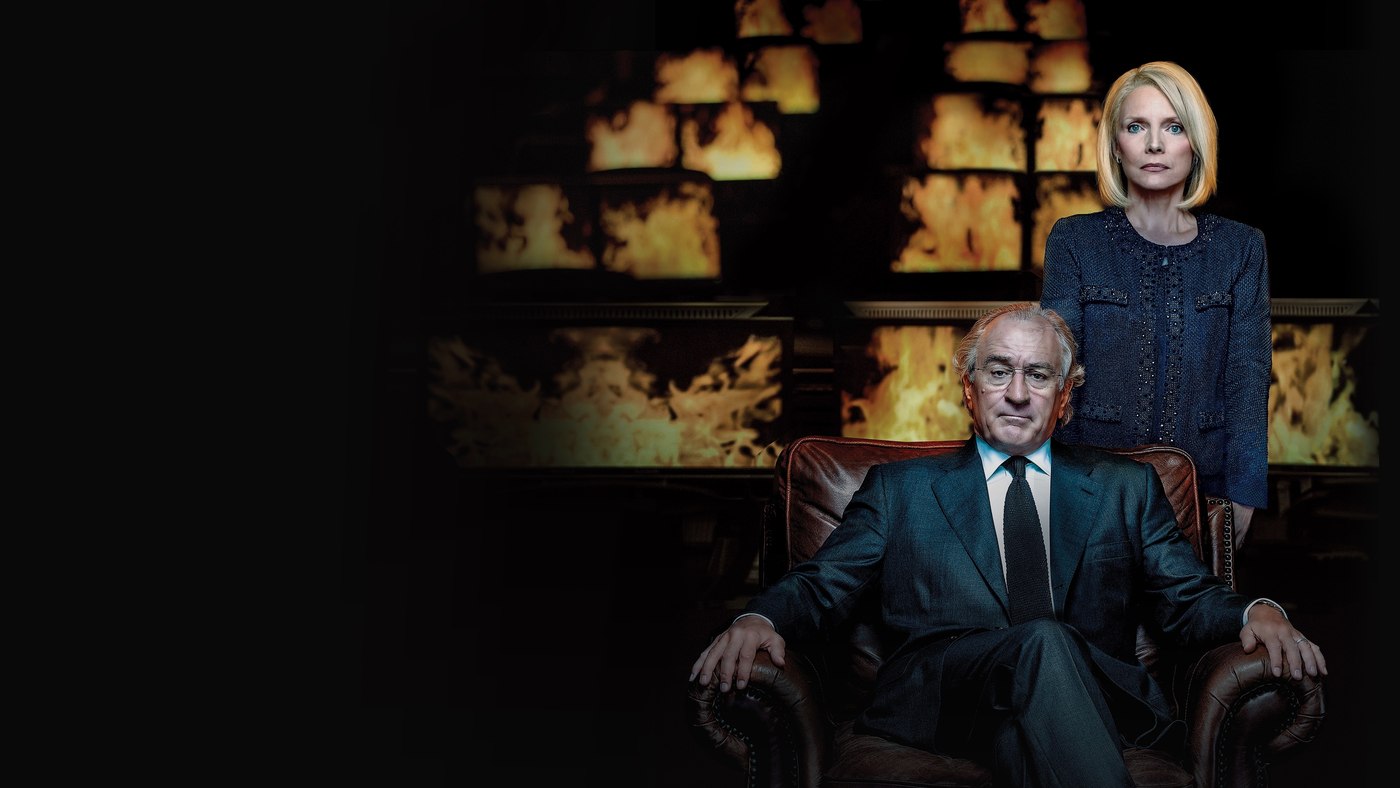
In the winter of 1986, a massacre unfolded within the Morlock tunnels beneath New York City. The man who orchestrated the slaughter remained in the shadows, his identity revealed only as a whispered name inside a telepath's mind: Sinister.1
Unlike many of the X-Men's more volatile foes, Mister Sinister operates not as a brawler, but as a calculated scientist. He collects blood, harvests cells, and views entire family trees as variables in an equation. He is willing to wait a century to see a hypothesis through to its conclusion; it is this patience that renders him so dangerous.
- Sinister transitioned from a shadowy enigma to a fully realized antagonist.
- His origins are rooted in a Victorian-era obsession with Darwinian evolution and science divorced from morality.
- His primary threat lies in his DNA archives, cloning capabilities, and his long-term strategic vision.
- The Summers and Grey lineages represent his most significant and sustained experiment.
How did Mister Sinister transition from a shadow to a primary X-Men villain?
Within the pages of Chris Claremont and Marc Silvestri's Uncanny X-Men, Mister Sinister was first identified as the overseer of an assassination unit known as the Marauders. His full reveal occurred in 1987 in issue #221. By then, readers were already familiar with his influence as the architect of the tunnel massacre. This delayed entry was intentional, designed to position him as a cerebral force operating behind the scenes.2
IGN has ranked him among the greatest comic book villains of all time, a distinction earned not through physical strength, but through his ability to reduce mutants to raw data. A duel might be lost, but Sinister’s archives remain; as long as that data survives, he can engineer a new body.
Claremont originally envisioned him as a child-like entity living in an orphanage with an aging mind, but that concept was abandoned as the character evolved. By 1996, the modern persona—the Victorian scientist defined by his red diamond forehead mark—became established, leaving his early conceptual roots in the background.
What are the origins of the Victorian scientist Nathaniel Essex?
The 1996 miniseries The Further Adventures of Cyclops and Phoenix solidified the character's backstory. Nathaniel Essex was a biologist in 19th-century London who, inspired by the theories of his contemporary Charles Darwin, sought to accelerate human evolution. Driven further by the illness of his young son, Essex championed the idea that science should transcend conventional morality. Upon being shunned by the Royal Society, he viewed his ostracization as validation of his radical path.3
Essex conducted increasingly unrestrained experiments, treating human subjects as expendable material. After his wife, Rebecca, witnessed his atrocities, she condemned him with his dying breath, labeling him "sinister." Later, the ancient mutant Apocalypse utilized Celestial technology to transform Essex into an ageless being, at which point he discarded his human name and adopted his wife’s final judgment as his own.
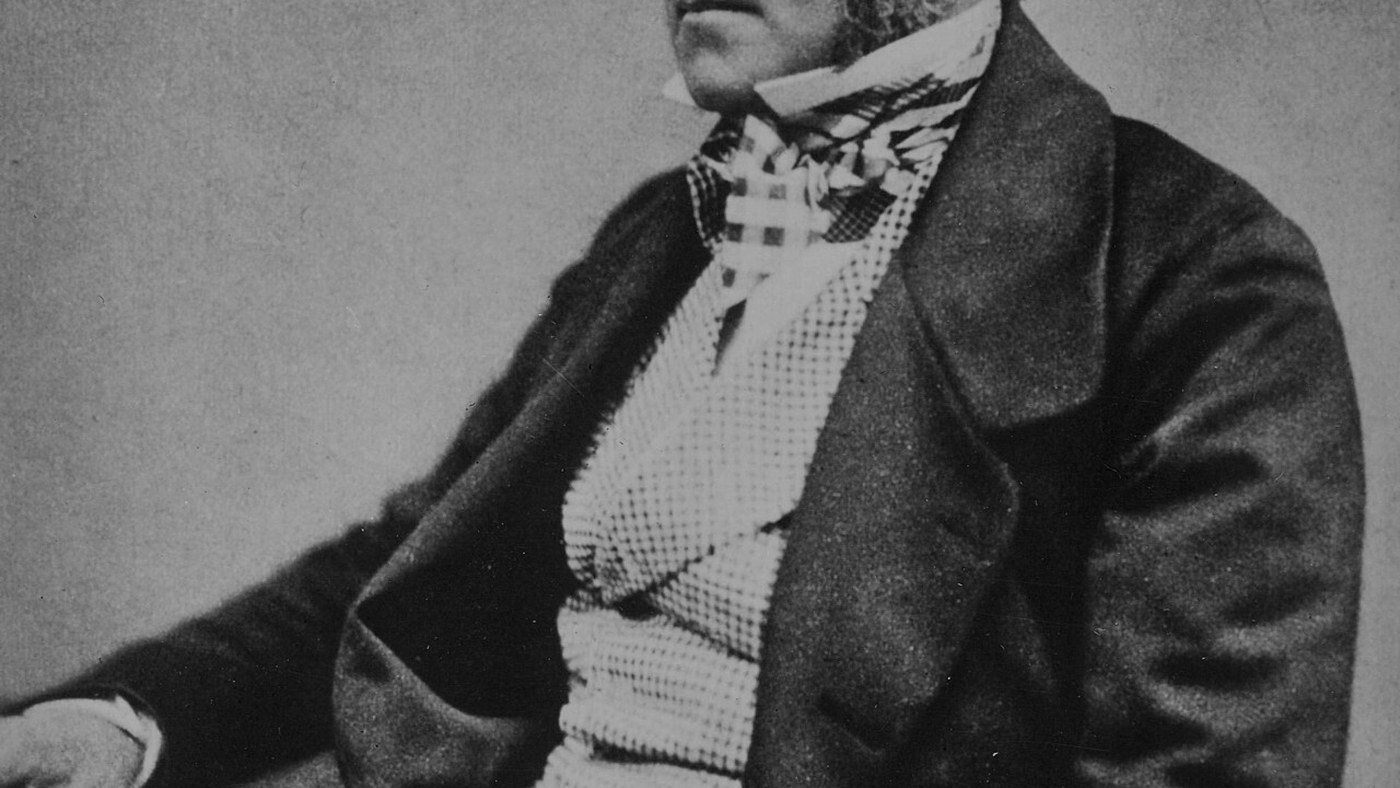
While his origin is a work of science fiction, it reflects the genuine historical tension surrounding Darwin’s theories, which were interpreted by some as evidence for eugenics and the pursuit of a "superior race." Sinister serves as an extreme caricature of the scientist who replaces ethics with measurement.
Why is the Summers and Grey lineage so vital to Sinister’s experiments?
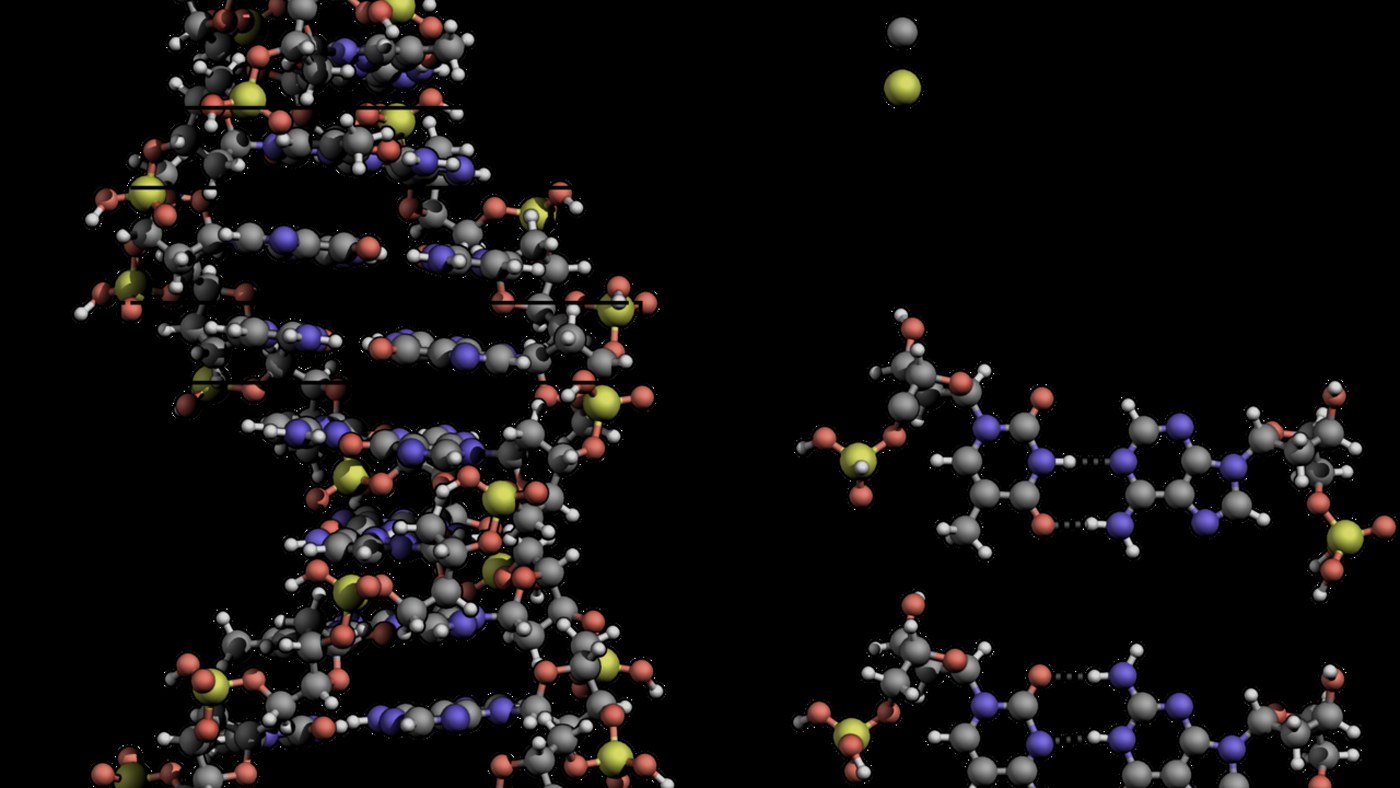
Sinister’s long-term strategy is anchored in the genetic potential of Scott Summers and Jean Grey. He hypothesized that the union of their DNA could produce a mutant powerful enough to challenge Apocalypse. Through the use of cells harvested from Jean Grey, he created the clone Madelyne Pryor. The child of Scott and Madelyne, Nathan, would later return as Cable. Consequently, Sinister’s greatest "triumph" involved reducing a human family to entries in a laboratory ledger.4
The 1986 Mutant Massacre was driven by this same clinical logic. He sought to purge the Morlocks, viewing them as contaminants in the gene pool. His rage was triggered specifically when he discovered that some Morlocks bore the marks of his own previous experiments, effectively functioning as uncredited forgeries of his work. The massacre was not merely an outburst of violence, but a calculated act of genetic purification.
His influence even extended into Scott Summers' childhood. Under the orphanage in Nebraska, Sinister operated a laboratory where he developed the ruby quartz lenses used to control Summers' optic blasts. In this context, Sinister acted as both guardian and thief, protecting Scott only because the boy was a vital component of his equation.
What makes Mister Sinister the most dangerous threat to mutantkind?
Three distinct factors cement Sinister's position as a premier threat: his mastery of cloning, his genetic archives, and his patience. When he is presumed dead, he simply returns in a new vessel, having seeded his island laboratories with endless duplicates of himself. His massive collection of mutant DNA became the foundation for the resurrection protocols during the Krakoa era. Furthermore, he refuses to be swayed by short-term vengeance, preferring to wait decades or centuries for his plans to bear fruit.5
During the Krakoa era, the irony of his position reached a peak when Xavier and Magneto invited him into their society, as they relied upon his genetic database for their resurrection machinery. Even as a member of the Quiet Council, he continued to pursue illicit chimera experiments. The subsequent narrative of the four Essex clones demonstrated that Sinister is more than just a rogue scientist; he represents a methodology that branches into genetics, cybernetics, space exploration, and sorcery. Despite their differences, each iteration remains unified by the core Essex conceit: the belief that he alone is the original.
Notes and Sources
- Claremont, C. & Romita Jr., J. (1986). The Uncanny X-Men #210-#213. Marvel Comics. Refers to the "Mutant Massacre" storyline; the name Sinister is revealed through a telepathic scan by Psylocke.
- Claremont, C. & Silvestri, M. (1987). The Uncanny X-Men #221. Marvel Comics. The first full appearance of Mister Sinister.
- Milligan, P. & Leon, J.P. (1996). The Further Adventures of Cyclops and Phoenix #1–4. Marvel Comics. Covers the Victorian origins of Nathaniel Essex, the curse of Rebecca, and his transformation by Apocalypse.
- Claremont, C. & Smith, P. (1983). The Uncanny X-Men #168; Simonson, L. & Simonson, W. (1989). X-Factor #38–39. Relates to the Madelyne Pryor clone, the origin of Nathan Summers (Cable), and the Inferno conflict.
- Hickman, J. & Silva, R.B. (2019). Powers of X #4; Hickman, J. & Larraz, P. (2019). House of X #6. Documents Sinister's role in the Krakoan resurrection protocols and his Quiet Council membership. Also see Gillen, K. (2022–2023). Immortal X-Men / Sins of Sinister: Details regarding the Essex clones (Stasis, Orbis Stellaris, Mother Righteous).