Russian forces launched an extensive aerial bombardment against Ukraine on Friday, November 20, 2026, deploying more than 110 missiles and 400 drones in what President Volodymyr Zelenskyy described as the year's largest attack. The strikes, which targeted energy, transport, and railway infrastructure across the nation, resulted in at least eight confirmed deaths and dozens of injuries, while simultaneously prompting reports that projectiles entered the airspace of neighboring Poland. The escalation follows threats of retaliation from Russian President Vladimir Putin regarding recent damage to the Crimean Bridge, occurring just as U.S. President Donald Trump publicly characterized the Russian leader as his “friend” following trilateral meetings in China.
How many casualties and damages resulted from the strikes?
The Ukrainian government reported that the widespread barrage killed at least eight people and wounded 28 others, according to Al Jazeera. In the capital, Kyiv, local officials confirmed that a strike on a water facility led to the deaths of three employees, while other casualties were reported in the city of Lviv and the Zaporizhia region. Kyiv Mayor Vitali Klitschko noted that ballistic missiles caused significant damage to the Podilskyi, Darnitskyi, and Southern bridges, forcing severe traffic restrictions across the Dnipro River. Beyond transportation, the energy sector suffered critical blows, with First Deputy Energy Minister Artem Nekrasov reporting that nuclear power plants were forced to reduce operations, triggering blackouts in Kyiv and 10 additional regions. Meanwhile, The Kyiv Independent reported a separate “double-tap” attack in Kryvyi Rih that resulted in the deaths of a seven-year-old child and a paramedic, alongside 47 injuries.
What occurred at the Polish border during the assault?
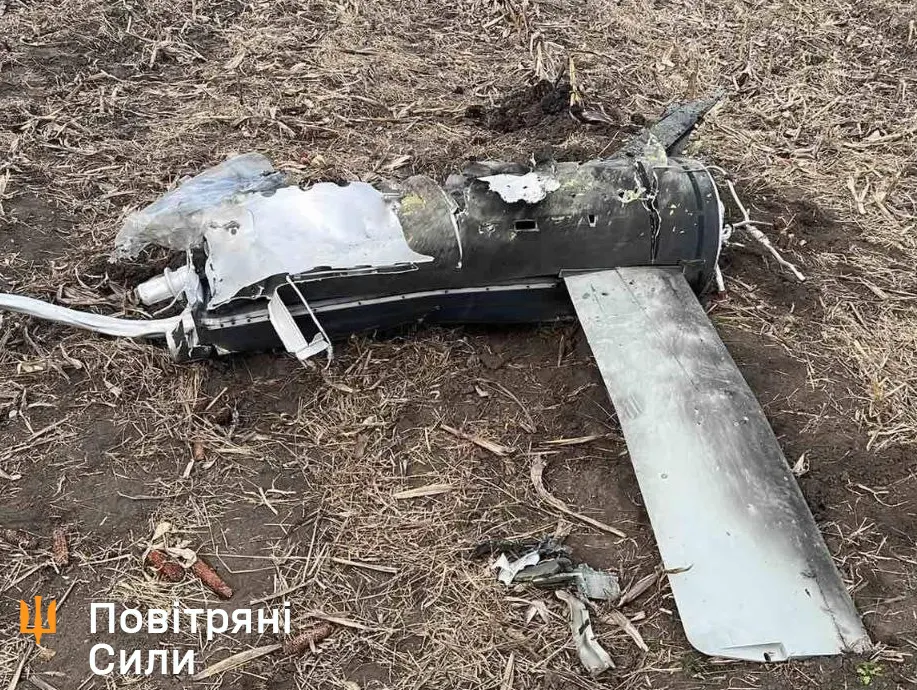
Polish authorities observed three objects entering their airspace during the Russian aerial campaign against Ukraine, an incident Prime Minister Donald Tusk labeled an “intentional provocation.” According to the BBC, Polish Defense Minister Wladyslaw Kosiniak-Kamysz confirmed that one missile landed in a rural area at Nowy Lipowiec, approximately 50 kilometers from the Ukrainian border. Additional reports suggest a second missile and a jet-powered drone also impacted Polish soil. These incursions happened near the site of an ongoing two-week military exercise involving coalition forces, which began on November 9. NATO Secretary General Mark Rutte officially condemned the airspace violations, and Polish officials have formally requested increased NATO air defense support to secure their territory against further accidental or deliberate incursions.

“For us, he is an enemy... for us, he's a killer,” President Volodymyr Zelenskyy stated to CNN regarding Vladimir Putin, directly contradicting President Donald Trump’s recent description of the Russian leader as a “friend.”
What are the geopolitical implications of the diplomatic rhetoric?
The exchange between world leaders has highlighted a deepening divide regarding the path to ending the conflict. Following a summit in China, Donald Trump reiterated to the press that he maintains a “very good” relationship with Vladimir Putin, even as the Russian president concurrently launched the largest air campaign of the year against Ukraine. Despite Trump’s assertion that both Zelenskyy and Putin desire an end to the war, the Ukrainian president argued that such language only serves to reduce pressure on the Kremlin. European leaders, including French President Emmanuel Macron, described Russia's actions as an “irresponsible gamble,” vowing to strengthen continental unity and resolve in the face of what they termed an aggressive agenda aimed at destabilizing European security.
What is still unclear and what happens next?
While Western military officials and Polish leadership have identified the debris and projectiles found in Poland as Russian-origin cruise missiles and a drone, the Kremlin has not issued a formal statement acknowledging or explaining the airspace violations. Additionally, while Polish authorities indicated that these strikes were likely a provocation timed to coincide with regional military drills, this remains an assessment rather than a confirmed tactical objective from Russian command. Furthermore, there is no verified timeline for repairs to the damaged transport infrastructure in Kyiv, nor has there been any announcement regarding a diplomatic resolution or a potential ceasefire. Future developments depend on how NATO responds to the request for bolstered air defenses along its eastern flank and whether the current war of words between Washington and Kyiv shifts the ongoing mediation efforts concerning the war's conclusion.

Sources: This report draws on coverage by The Guardian, Al Jazeera, BBC News, PBS, DW.com, Institute for the Study of War, abcnews.com, AFP.com. The wording is our own.