NATO and Polish officials are evaluating a serious airspace breach after two Russian cruise missiles and a jet-powered drone fell onto Polish territory near the southeastern border during an intense Russian aerial attack on Ukraine. The incidents occurred in close proximity to ongoing military exercises involving European forces, prompting warnings from Polish leaders of a deliberate provocation, even as NATO Secretary General Mark Rutte declared that the situation does not warrant invoking the alliance's Article 5 collective defence clause.
What landed in Poland and where did the strikes occur?
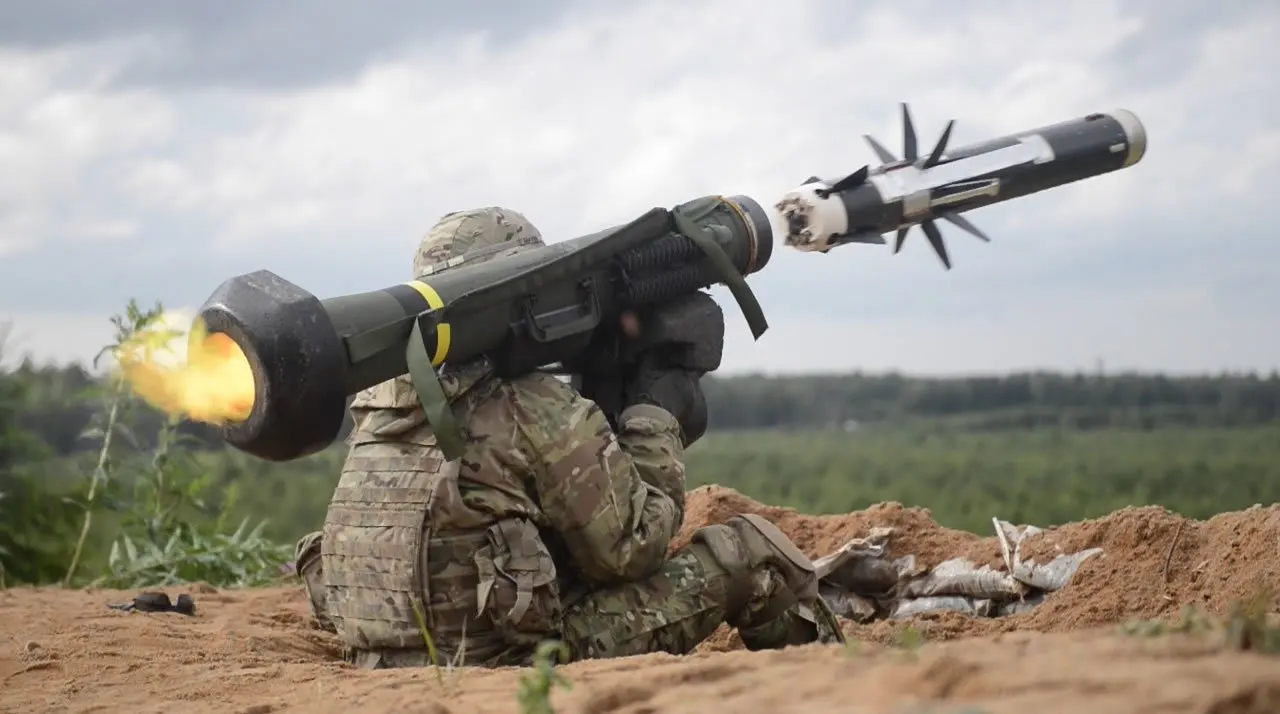
Two Russian cruise missiles and a jet-powered drone landed across southeastern Poland during a massive Russian overnight attack on Ukraine. According to Polish Defence Minister Wladyslaw Kosiniak-Kamysz, the debris from the weapons fell at three separate locations: the village of Nowy Lipowiec, the area around Rudnik nad Sanem, and the locality of Molodycz. In Nowy Lipowiec, a Russian Kh-101 cruise missile came down in a field adjacent to a forest and caught fire. Another missile remnant was located in a forest near Rudnik nad Sanem, while a jet-powered Gieran-5 drone crashed on uninhabited ground in Molodycz, approximately 280 metres from an empty holiday cottage. Officials confirmed that no injuries or structural damage were reported from any of the three landing sites.
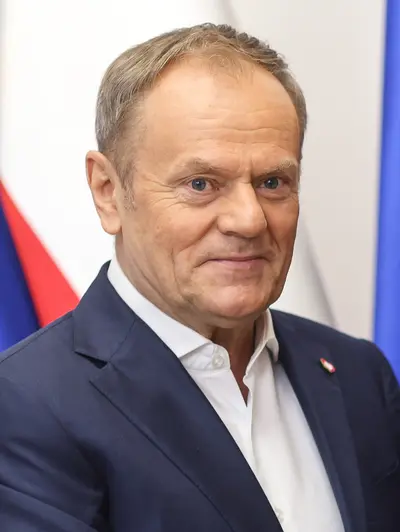
The strikes occurred within striking distance of both the border and NATO activities. The Kh-101 missile fell roughly 50 kilometres from the Ukrainian border, while the drone landed about 30 kilometres from the frontier. Notably, one of the cruise missiles struck approximately 35 kilometres from a location where 2,800 military personnel from 11 European countries were actively conducting joint exercises. Polish Prime Minister Donald Tusk observed that the timing appeared calculated, stating that authorities were likely dealing with an intentional provocation timed to coincide with the allied maneuvers.
How are NATO and international leaders reacting to the incursions?
NATO leadership moved quickly to address the airspace violation while managing potential escalation risks with Moscow. Speaking on Polish television station TVN24, NATO Secretary General Mark Rutte condemned the incursions while ruling out a military response under the alliance's mutual defence clause. Rutte noted that while the situation was hazardous, it fell short of triggering NATO's central security pact.
"To nie jest terytorium dla artykułu 5. Nie, ale nadal jest to niebezpieczny incydent, który oczywiście jest nie do przyjęcia," NATO Secretary General Mark Rutte stated to TVN24.
Rutte added that Russia remains fully aware of what boundaries it cannot cross, asserting that NATO's combined strength surpasses Russian military capabilities. He also expressed skepticism regarding proposals for NATO forces to shoot down Russian missiles over Ukrainian territory before they enter Polish airspace, suggesting such actions were unnecessary and unlikely to be pursued. When asked about comments made by U.S. President Donald Trump at an APEC summit referring to Russian President Vladimir Putin as a friend, Rutte defended maintaining direct communication channels, noting that personal relations can be useful in preventing conflicts.

Other European leaders voiced sharp criticism over the developments. French President Emmanuel Macron warned that Moscow was engaging in an irresponsible gamble that would only alienate Russia further while reinforcing European unity. In the United Kingdom, Prime Minister Andy Burnham described the events as utterly unacceptable. Meanwhile, Ukrainian President Volodymyr Zelenskyy denounced the wider Russian assault, which included over 400 drones and at least 110 missiles directed at Ukrainian targets, leaving at least eight civilians dead and dozens wounded. Zelenskyy renewed calls for Ukraine to join NATO and criticized international willingness to maintain friendly ties with Moscow.
What is the geopolitical and regional security context behind the incident?
Poland shares extensive land borders with Eastern Europe and serves as a primary logistical hub for Western support to Ukraine. With a population of 36.4 million people in 2025, according to World Bank data, Poland shares its northeastern border with Lithuania and the heavily fortified Russian exclave of Kaliningrad, while its eastern perimeter borders Belarus and Ukraine. Founded in 1949 as an intergovernmental military alliance to maintain collective security, NATO is anchored by Article 5 of the North Atlantic Treaty, which dictates that an armed attack against one member state is treated as an attack against all 32 allies. However, lower-tier mechanisms exist, such as Article 4, which allows members to request formal consultations when territorial integrity or security is threatened. Observers noted that Poland chose not to invoke Article 4 following the recent missile landings.
The incursions occurred against the backdrop of heightened military activity across the region. The two-week allied exercise in southeastern Poland began on November 9, bringing together forces—including 300 British troops—to train for potential post-war stabilization and military reconstruction operations in Ukraine. Defence ministers from participating nations had been scheduled to visit the training grounds shortly after the missile fall. The aerial breaches follow months of preventive measures; the Polish Air Force had launched dedicated air patrols on September 17 to protect its eastern airspace after a series of prior drone and aircraft incursions across Central Europe and the Baltic regions.
Simultaneously, the broader regional conflict has extended into new geography. On November 21, air raid sirens sounded in the Russian port city of Baltiysk in the Kaliningrad region—home to Russia's Baltic Fleet—following reports of drone activity and air defence engagements, though Russian authorities did not officially confirm a military facility attack. Earlier the same week, a sanctioned Russian cargo vessel, the Sparta II, was struck by drones in the Gulf of Finland before drifting into Finnish waters. These incidents highlight growing volatility spanning from the Black Sea to the Baltic corridor.

What remains unclear about the Polish airspace violations?
Key operational and political questions surrounding the missile fall in Poland remain unresolved as official investigations continue. Investigators have not publicly confirmed whether the cruise missiles and drone crossed into Polish airspace as a result of mechanical failures, Ukrainian air-defence interception, or deliberate targeting calculations by Russian forces. The exact flight trajectories and the specific operational status of the Swedish Gripen fighter jet that was deployed to intercept suspected targets also remain partially unverified; reports indicate poor weather conditions prevented the Swedish pilot from engaging the inbound weapon over Poland.
Furthermore, European governments disagree on the speed and formality with which such hybrid attacks should be attributed and answered. While Polish officials characterized the landing near allied drills as an intentional act, NATO has resisted formal escalation, and Poland has refrained from demanding formal Article 4 alliance consultations. Intelligence agencies are also evaluating whether recent unconfirmed reports of planned Russian false-flag operations near the Kaliningrad border are connected to the aerial incursions. The coming weeks will test whether NATO establishes new rules of engagement to intercept incoming threats approaching allied territory or maintains its current policy of defensive containment.
Sources: This report draws on coverage by WP Wiadomości, Al Jazeera, Futura Doctrina | Mick Ryan, The Telegraph, Around Prague, Institute for the Study of War, France 24, The New Voice of Ukraine. The wording is our own.