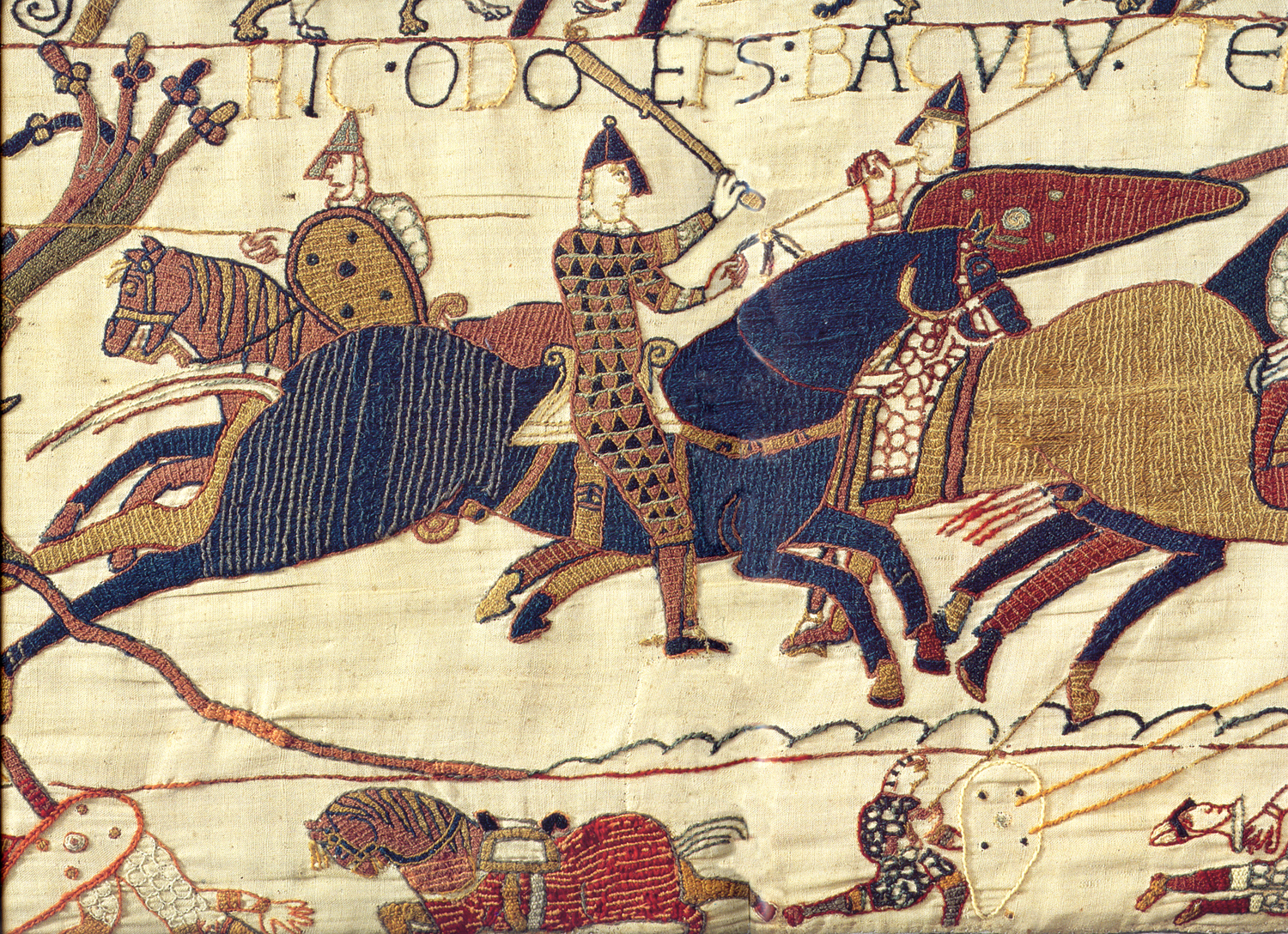
Imagine a canvas nearly 70 metres long, unfurling a story of ambition, conquest, and the fate of nations. This is not a painting, nor a modern film, but a breathtaking embroidered cloth, painstakingly stitched almost a millennium ago. Today, this extraordinary artefact, the Bayeux Tapestry, finds itself once again at the heart of an international conversation, with the French culture minister reassuring us all that it is in a 'wonderful state' after its much-anticipated journey to London. It's a reminder that even the most ancient masterpieces continue to captivate and travel, bridging centuries with their silent, vivid narratives.
The Bayeux Tapestry is a true survivor, an epic in thread that chronicles the dramatic events leading up to the Norman Conquest of England in 1066. This pivotal moment saw William, Duke of Normandy, challenge Harold II, King of England, culminating in the decisive Battle of Hastings. Although traditionally called a tapestry, it is in fact an embroidery – threads stitched onto a linen ground rather than woven into the fabric itself. Composed of 58 scenes, each meticulously detailed with Medieval Latin inscriptions, it reads like a graphic novel from the 11th century, alive with knights, ships, and dramatic skirmishes.
A Norman Chronicle, Forged in England
Thought to have been crafted within a few years of the battle it depicts, the tapestry's origins have long been a subject of scholarly debate. However, it is now widely accepted that this monumental work was made in England, perhaps even as a gift for William himself. What makes this particularly fascinating is that, despite its English creation, it tells the story decidedly from the point of view of the conquering Normans. This dual perspective – English craftsmanship narrating a Norman triumph – adds another layer to its historical intrigue, making it a powerful piece of propaganda and a remarkable historical document all at once.
The saga begins with the death of the childless King Edward the Confessor in January 1066, igniting a bitter succession struggle. Harold Godwinson was crowned king, but soon faced a three-pronged invasion: from his own brother Tostig, the Norwegian king Harald Hardrada, and, of course, William of Normandy. Harold decisively defeated Tostig and Hardrada at the Battle of Stamford Bridge, but just three days later, William landed his invasion forces in the south of England. This forced Harold and his weary army to march south, culminating in the brutal confrontation on 14 October at the Battle of Hastings, a battle that forever changed the course of English history.

“The Bayeux tapestry is one of the supreme achievements of the Norman Romanesque .... Its survival almost intact over nine centuries is little short of miraculous ... Its exceptional length, the harmony and freshness of its colours, its exquisite workmanship, and the genius of its guiding spirit combine to make it endlessly fascinating.”
The Art of Storytelling in Thread
The artistic style of the tapestry places it firmly within the Romanesque period, the dominant artistic movement in Europe from roughly 1000 AD to the 12th century. Romanesque art, known for its vigorous style in sculpture and painting, incorporated elements of ancient Roman architecture with influences from Byzantine art and the vibrant anti-classical energy of Insular art from the British Isles. The tapestry, with its bold outlines, flat fields of colour, and dynamic compositions, perfectly embodies this era's aesthetic – a coherent and highly innovative style.
The embroiderers, or 'broderers' as they were known, used coloured woollen yarns stitched onto linen, demonstrating an astonishing level of skill and attention to detail. This isn't just decoration; it's a complex narrative delivered through the medium of textile. The embroidery incorporates various stitches, including the popular stem stitch for outlines and laid and couched work for filling in larger areas, creating a rich texture that brings the scenes to life. The vibrancy of its colours, even after centuries, is a testament to the quality of the dyes and the care taken in its preservation.

An Enduring Legacy, A Modern Journey
For centuries, the Bayeux Tapestry has been preserved in Bayeux, Normandy, France, a cherished artefact and a magnet for historians and art enthusiasts alike. Its journey to London, a significant event in itself, underscores its continuing relevance and universal appeal. As Sylvette Lemagnen, conservator of the tapestry, noted, its survival “almost intact over nine centuries is little short of miraculous.” This epic cloth not only recounts a pivotal historical event but also stands as a testament to the artistry and storytelling prowess of the medieval world.
The Bayeux Tapestry is more than just a historical document; it is a profound work of art that captures the human drama of conflict, ambition, and fate with vivid immediacy. Its ability to communicate across nearly a thousand years, to evoke both wonder and detailed historical understanding, ensures its place as one of the world's most fascinating and important cultural treasures. Its 'wonderful state' after its journey is a triumph for conservation and a joy for all who continue to be enthralled by its stitched saga.


