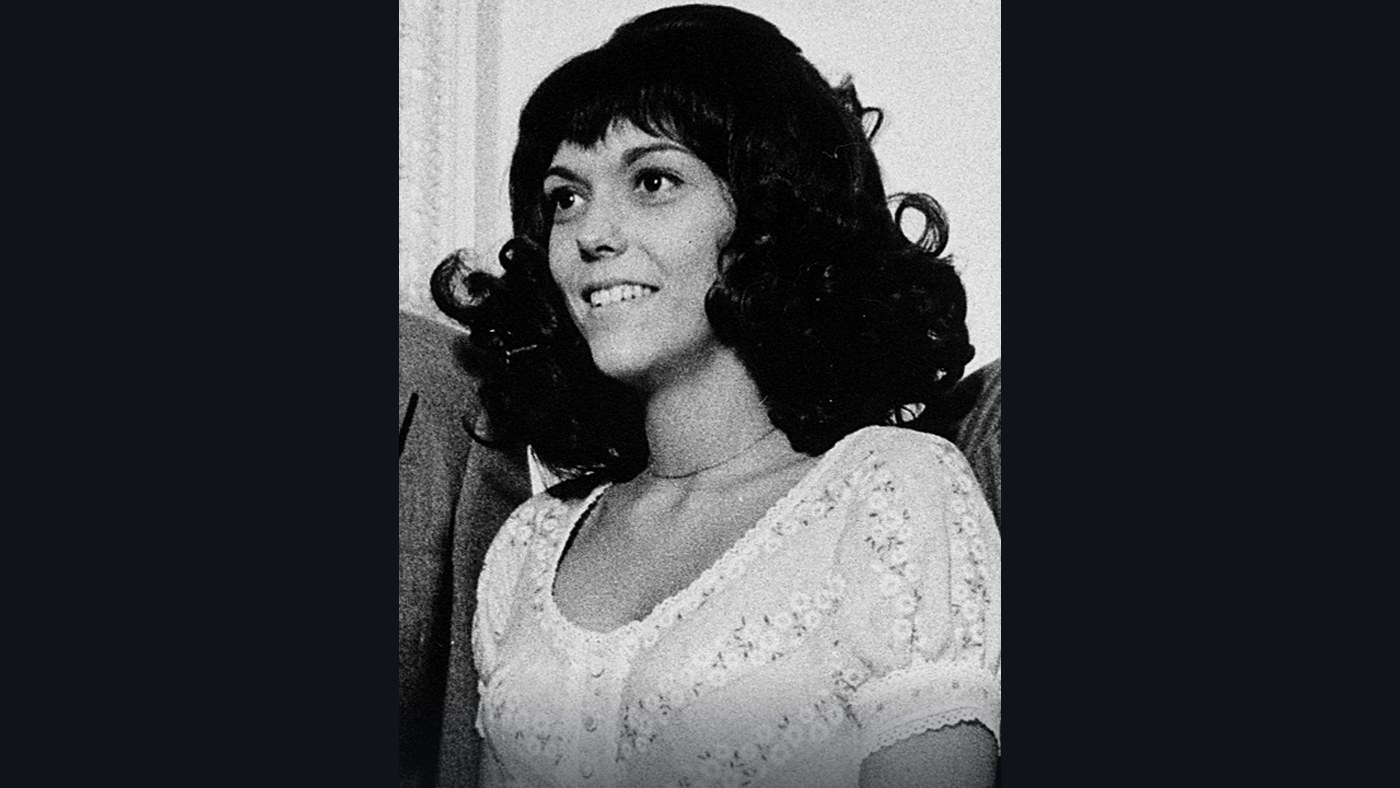
Karen Carpenter, the celebrated voice of the Carpenters, died on the morning of February 4, 1983, at Downey Community Hospital after collapsing in her family’s home at the age of 32. Paramedics found her in a state of severe bradycardia, with her heart beating at intervals of nearly ten seconds, a rhythm far too slow to sustain life.1 While initial headlines pointed toward general heart failure or anorexia, the subsequent autopsy revealed a more specific chemical culprit: emetine cardiotoxicity. The danger was not found in the spotlight of fame, but in the repeated misuse of a common pharmacy staple known as syrup of ipecac.
What did the autopsy reveal about Karen Carpenter’s death?
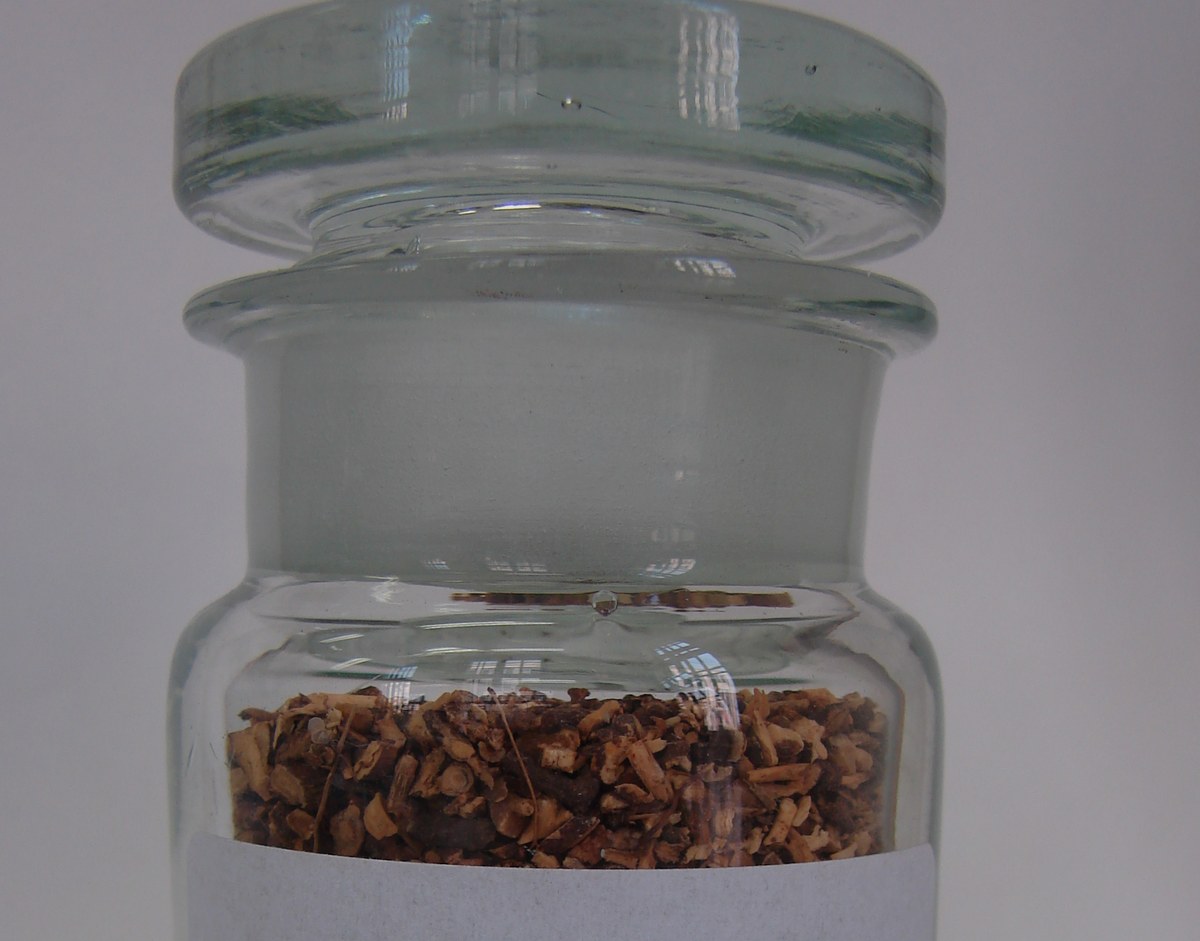
The Los Angeles Coroner’s Office released its findings on March 11, 1983, stating that Karen Carpenter died from a heart rhythm irregularity caused by chemical imbalances associated with anorexia nervosa. Acting coroner Ronald Kornblum recorded the cause as emetine cardiotoxicity due to or as a consequence of anorexia nervosa, noting that the singer weighed approximately 104 pounds (47 kilograms) at the time of her passing.1 Laboratory tests ruled out an acute drug overdose, focusing instead on the accumulation of emetine, an alkaloid derived from the ipecacuanha plant. For decades, ipecac syrup was sold over-the-counter to induce vomiting in poisoning emergencies, but chronic use for weight control allowed the toxin to build up in the heart and skeletal muscles, leading to irreversible damage.
How does ipecac syrup cause heart failure?
Ipecac syrup causes heart failure by depositing the alkaloid emetine into the muscle fibers, where it disrupts protein synthesis and leads to inflammation, edema, and rhythm disturbances. Medical literature as early as 1980 documented these risks; a study in JAMA reported a fatality from ipecac poisoning in a woman seeking weight loss, and a 1984 report in the American Journal of Psychiatry detailed fatal cardiomyopathy in an anorexic patient characterized by muscle weakness and palpitations.2 Because emetine has a low toxic threshold and a long half-life in the body, the damage is cumulative rather than dependent on a single large dose. While some muscle damage can be reversed if use is discontinued, the risk of sudden cardiac death remains high once the toxic threshold is breached.3
Why is there a debate regarding Carpenter’s use of ipecac?
There is a debate regarding Karen Carpenter's use of ipecac because her therapist, Steven Levenkron, contested the coroner's implication, stating he never saw evidence of the singer vomiting or using the syrup.4 Close friends and biographers have more frequently cited her misuse of laxatives and thyroid medication as her primary methods of weight control. Despite these conflicting accounts, the official autopsy remains the medical record of emetine toxicity. This distinction is vital in medical history: while anorexia nervosa was the primary illness, the emetine/alkaloid pathway represents the specific physiological mechanism that ended her life, a finding that eventually sparked a successful movement to remove ipecac from over-the-counter availability.
What is the legacy of the Carpenter case in modern medicine?
The legacy of the Karen Carpenter case in modern medicine is defined by a shift in how eating disorders are perceived and how emetic drugs are regulated. Her death brought anorexia nervosa into the public consciousness and pressured the FDA and pediatric associations to reconsider the safety of ipecac. By 2003, the American Academy of Pediatrics officially withdrew its recommendation to keep ipecac in the home, advising parents to instead contact poison control centers directly.5 Today, while the abuse of laxatives and thyroid medication remains a challenge in clinical settings, the specific threat of ipecac has largely vanished from pharmacy shelves, serving as a grim reminder of how metabolic and chemical burdens can compromise an already fragile heart.
Notes and Sources
- UPI Archives (March 11, 1983): "Singer Karen Carpenter's heart stopped because of irregularities..." Acting coroner Ronald Kornblum; autopsy: emetine cardiotoxicity; anorexia nervosa as the underlying cause.
- Adler AG, Walinsky P, Krall RA, Cho SY. Death resulting from ipecac syrup poisoning. JAMA. 1980;243(19):1927-1928. Palmer EP, Guay AT. Death from ipecac intoxication in a patient with anorexia nervosa. Am J Psychiatry. 1984;141(5):702-703.
- Silber TJ. Ipecac syrup abuse, morbidity, and mortality: isn't it time to repeal its over-the-counter status? J Adolesc Health. 2005;37(3):256-260. StatPearls "Ipecac" (NCBI Bookshelf NBK448075).
- Summary of coroner comments and Steven Levenkron’s objection: Karen Carpenter biographical records (Schmidt, Little Girl Blue).
- American Academy of Pediatrics, Committee on Injury, Violence, and Poison Prevention. Poison treatment in the home. Pediatrics. 2003;112(5):1182-1185. Recommendation to discard ipecac bottles in the home.