
A Cycle of Escalation
The military confrontation between the United States and Iran has reached a critical juncture, characterized by ten consecutive nights of U.S. airstrikes and retaliatory actions by Iranian forces. The conflict, which has resulted in the deaths of at least two U.S. soldiers and injuries to nearly 100 troops in recent weeks, according to the Pentagon and CBS News, has expanded beyond localized skirmishes. Tensions have intensified following Iranian strikes on vessels in the Strait of Hormuz and reports of coordinated attacks against U.S. interests in Bahrain, Jordan, and at least two other countries, as documented by The New York Times.
The U.S. and Iranian attacks are unfolding in a way that risks a wider war they cannot contain, analysts warn, unless they can return to negotiations quickly.
Historical Context and Structural Tensions
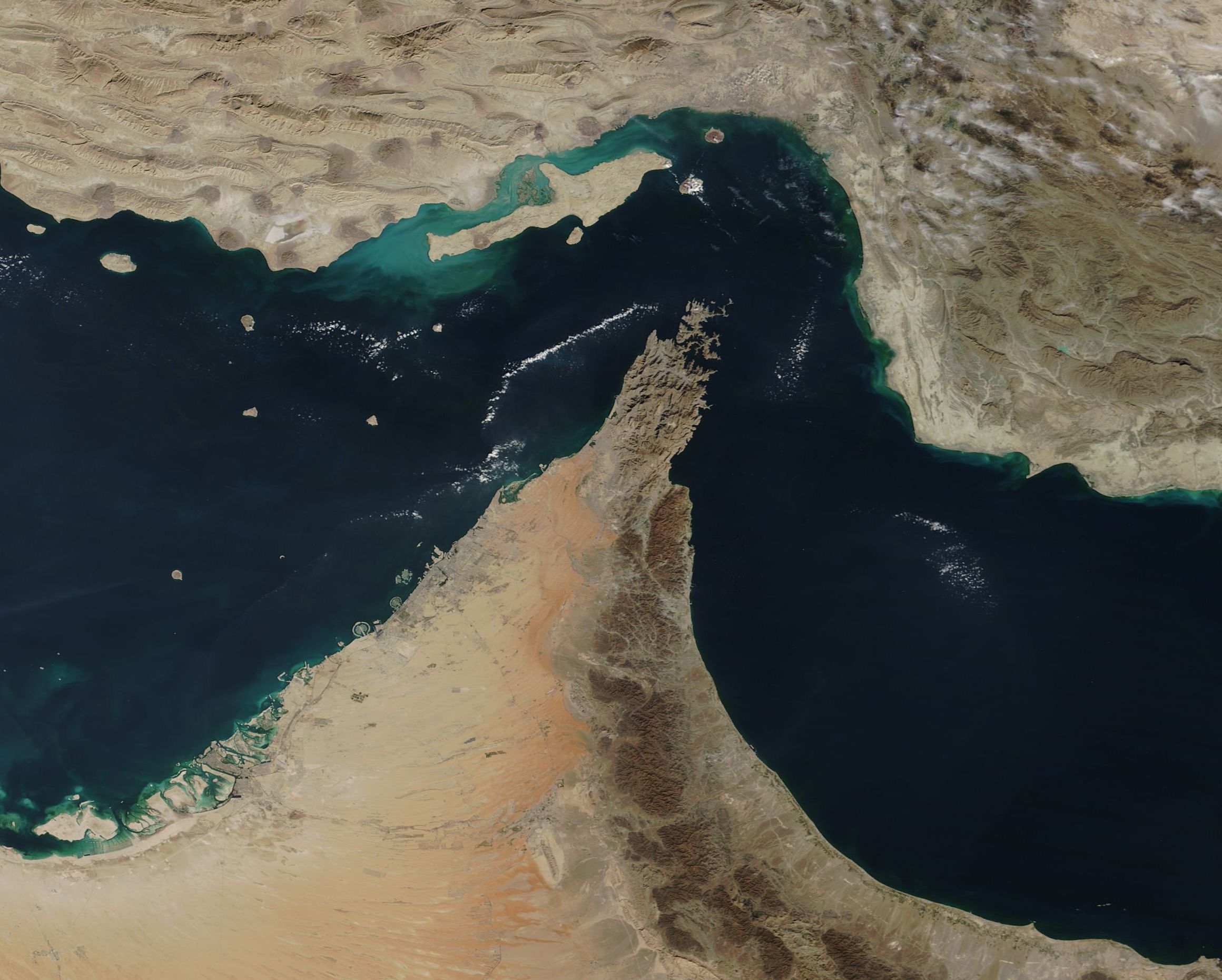
The current hostilities are the latest iteration of a decades-long volatile relationship. Since the 1979 Iranian Revolution, the two nations have operated without formal diplomatic ties, relying on protecting powers—Switzerland for the U.S. and Pakistan for Iran. This lack of direct communication channels complicates de-escalation efforts. The Strait of Hormuz, a critical maritime chokepoint accounting for approximately 25% of global seaborne oil trade and 20% of liquefied natural gas (LNG) flow, has become the primary theater for these disruptions. While Iran has historically utilized threats against the strait as leverage, the 2026 conflict represents a significant shift toward active interdiction, as noted by Lloyd's List and BBC News.
Key Actors and Strategic Objectives
- United States: The administration, currently undergoing a presidential transition, faces conflicting pressures. While Secretary of State Marco Rubio has signaled an openness to diplomacy, the White House has maintained that military strikes will continue as long as U.S. troops remain under threat.
- Iran: Tehran’s strategic posture involves a 'mosaic defense' and the mobilization of proxy networks, including the Houthis in Yemen. The Iranian government has explicitly linked the closure of maritime gateways to U.S. actions against their infrastructure, effectively using the global shipping industry as a counter-pressure mechanism.
- Regional Proxies: The Houthis have emerged as a significant force, declaring a Red Sea blockade on Saudi Arabia. Their potential entry into the war as an active front increases the complexity for U.S. naval operations and regional stability.
Plausible Future Scenarios
The trajectory of the conflict remains highly conditional on the willingness of both parties to engage in substantive talks. Three scenarios appear within the current evidence-based scope:
- Diplomatic Re-engagement: If the Trump administration and Iranian officials utilize back-channel mediators in Pakistan or other neutral actors to establish a formal ceasefire, the cycle of tactical strikes may halt. This would likely require mutual guarantees regarding the safety of naval traffic in the Strait of Hormuz.
- Protracted Proxy Warfare: If diplomacy fails to gain traction, the conflict will likely stabilize into a sustained campaign of low-to-medium intensity, characterized by intermittent strikes on energy infrastructure and U.S. military bases. This scenario risks further volatility in global oil markets and inflationary pressure on the U.S. economy, as indicated by the 60-basis-point rise in Treasury yields since the start of the war.
- Regional Contagion: Should Iran or its proxies successfully disable a major vessel or strike a critical land target in a neighboring U.S. ally, the U.S. might be compelled to move from targeted airstrikes to a more expansive military operation, potentially drawing in additional regional actors and shifting the conflict from a bilateral dispute to a full-scale regional war.
What to Watch
Observers should monitor the frequency of maritime insurance filings for the Strait of Hormuz, which act as a proxy for physical security risks. Additionally, the appointment of key diplomatic envoys during the U.S. transition period and the presence of Iranian officials at regional summits in Pakistan will serve as leading indicators of whether the path toward negotiations remains open or if both sides have fully committed to an escalatory military trajectory.


