A sustained exchange of military strikes between the United States and Iran has entered its second week, with Washington conducting air operations for a tenth consecutive night while the Pentagon disclosed that nearly 100 American service members have been injured in recent weeks. The escalating conflict has spread across at least four countries in the Middle East, threatening critical shipping lanes and raising concerns among analysts that both nations risk a wider war neither can afford.
Casualties Mount as Strikes Continue
The Pentagon's admission that close to 100 US troops have sustained injuries over approximately two weeks marks a significant toll from the conflict, which intensified following the deaths of American soldiers in Jordan and Iraq. According to the BBC, US forces killed in those attacks have prompted President Trump to warn that Iran will pay "many times over" for their deaths. The New York Times reported that at least two American soldiers were killed in an Iranian attack that triggered the current wave of US retaliation.
Iranian Reprisals Target Multiple Nations
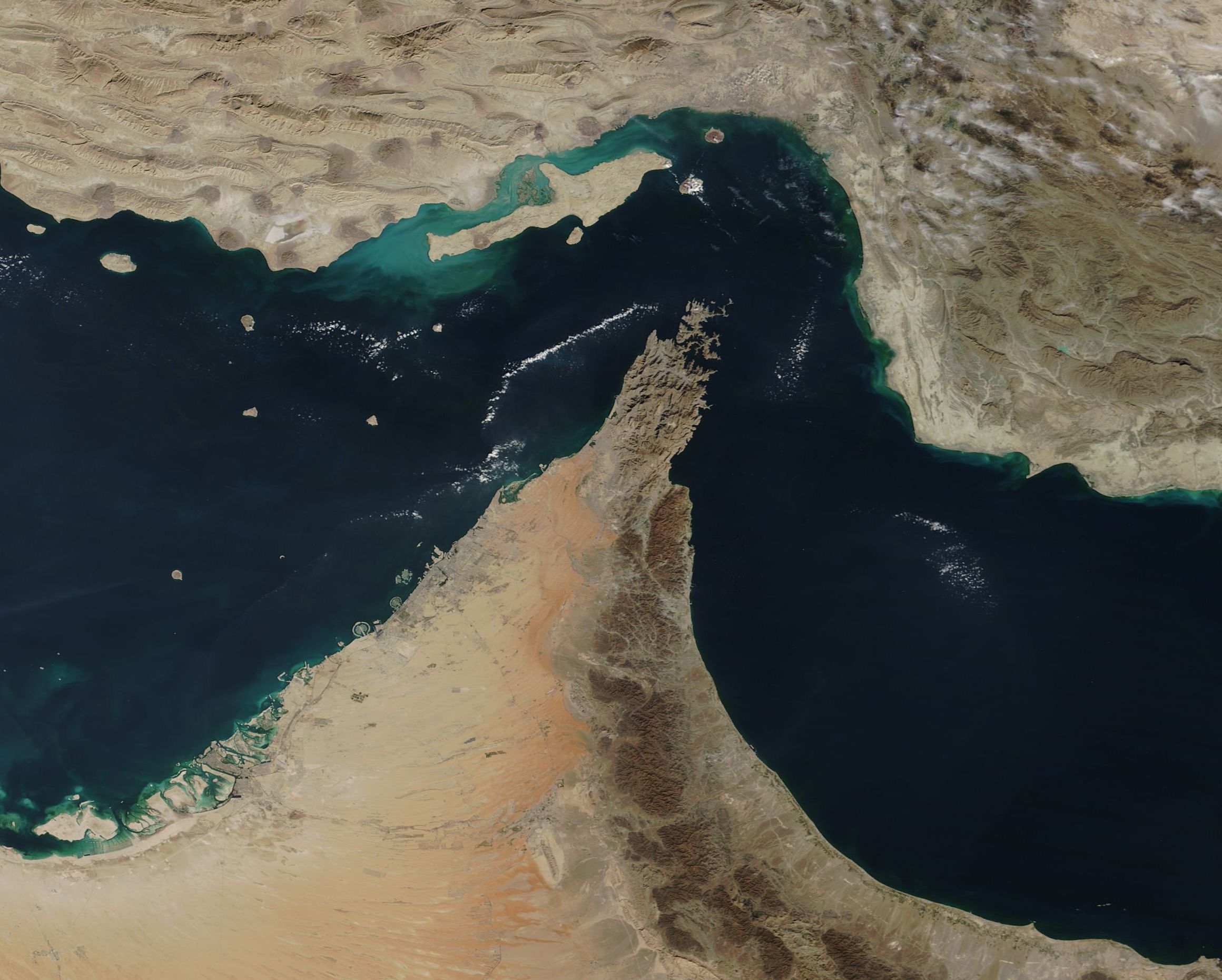
Iran's Revolutionary Guard claimed responsibility for striking US military targets across the region, including radar installations and air defense systems in Bahrain and Kuwait, according to France 24 citing Iran's state news agency IRNA. Tehran also reported attacks in Jordan. Separately, the Revolutionary Guard claimed to have attacked an oil tanker and two other ships in the Strait of Hormuz, with one tanker crew forced to abandon their vessel, according to The Guardian. Al Jazeera reported that tankers in the strategic waterway were on fire following these attacks.

The White House told Al Jazeera that the US would continue its attacks unless Trump decides otherwise.
New Fronts Threaten Regional Stability
The Iran-backed Houthi militia in Yemen has declared a Red Sea blockade on Saudi Arabia, the New York Times reported, potentially opening another front in the expanding conflict. Meanwhile, the US military released footage of its latest strikes, according to Al Jazeera, as operations focused on reopening the Strait of Hormuz to commercial shipping.
The New York Times reported that a deadly US airstrike targeted a shadow fleet tanker in the Gulf of Oman, killing three Indian sailors. Evidence suggests the vessel was stationary when struck, though it had been conducting risky offshore oil transfers. France 24 characterized the situation as a "cycle of enhanced risk" as both nations exchange strikes.

Diplomatic Efforts Emerge Amid Escalation
Despite the intensifying military operations, CNBC reported that regional mediators have presented both Washington and Tehran with a proposal for a 10-day ceasefire. However, the White House indicated to Al Jazeera that strikes would continue at the president's discretion. Analysts cited by the New York Times warned that US and Iranian attacks are unfolding in a manner that risks a wider war neither country can contain unless negotiations resume quickly. The conflict's expansion across Jordan, Iraq, Bahrain, Kuwait, and critical maritime chokepoints underscores the potential for further regional destabilization.


