US Renews Iran Strikes as Trump Threatens Nuclear Facility
The United States has escalated its military campaign against Iran, completing an 11th consecutive night of strikes, while President Donald Trump issued a direct threat to attack an underground Iranian nuclear site. The intensified conflict has broadened geographically, strained diplomatic efforts, and raised global economic concerns.
W
World Desk
3 min read345 views
US Strikes Escalate, Targeting New Provinces
The United States military has completed an eleventh straight night of strikes against Iran, with attacks extending into provinces not previously targeted, including Tabriz in northwestern Iran, the capital Tehran, and across southern Iran, according to Al Jazeera. These renewed bombardments follow President Donald Trump's assertion that the US was “not finished” attacking the Middle Eastern nation, a statement made on Tuesday as the conflict widened.
The latest wave of strikes has taken place amidst faltering diplomatic efforts, particularly those in Pakistan aimed at salvaging an interim ceasefire deal. The escalation has led to Iran launching retaliatory attacks, hitting Bahrain, Kuwait, and Jordan, while its Houthi allies have threatened to blockade Saudi Arabia, as reported by France 24.
Watch: US renews strikes on Iran as Trump threatens to attack nuclear site | BBC News — BBC News
Trump Threatens 'Pickaxe Mountain' Nuclear Site
President Trump has explicitly threatened to strike a key Iranian underground nuclear site known as 'Pickaxe Mountain,' stating the US would hit it “very heavily” and “probably pretty soon.” This threat preceded the eleventh consecutive night of US attacks. What is known about 'Pickaxe Mountain' is that it is an underground facility suspected of being part of Iran's nuclear program. Iran has warned against attacking its nuclear and other sensitive sites, demanding “zero tolerance” on strikes against civilian nuclear facilities.
The US president's threat to target a key Iranian nuclear site came ahead of the 11th consecutive night of attacks.
Kharg oil loading terminal (Image: Wikimedia Commons)
Wider Regional and Economic Fallout
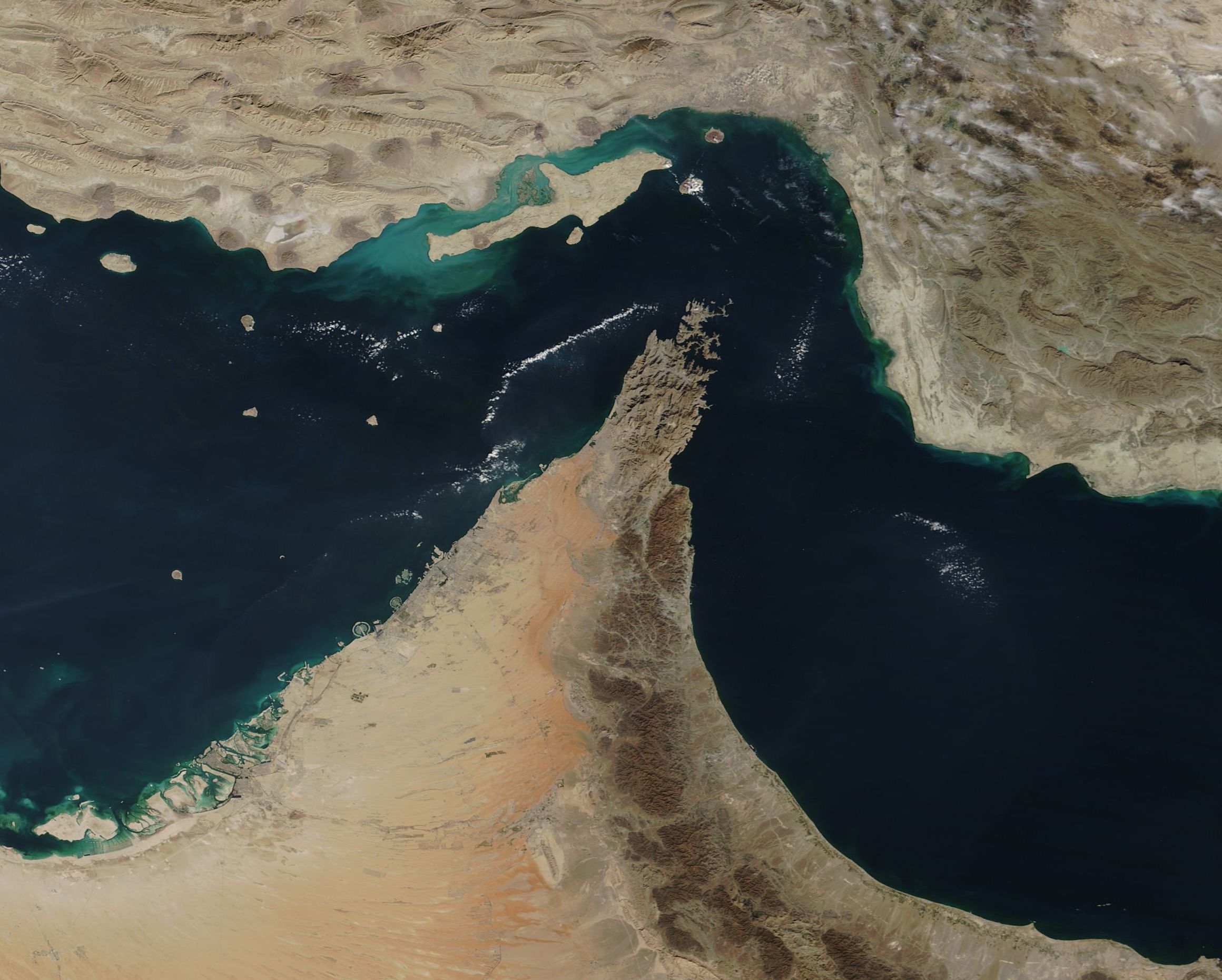
The protracted conflict has begun to reshape the global order, with economic shockwaves felt far beyond the immediate region, according to The Guardian. Senator Marco Rubio warned that Tehran's threats regarding the Strait of Hormuz risk global fallout. Despite the escalating tensions and renewed strikes, Rubio stated that the US remains willing to negotiate over the Iran crisis.
The war has also shifted the risk profile, with combat deaths increasingly occurring at US facilities far from Iran’s borders, highlighting the prevalence of drones and long-range missiles in the conflict. The Washington Post noted that the White House is operating without a clear strategy, leading to frustration among some lawmakers who are seeking clarity on the administration’s approach as the Pentagon requests billions in additional wartime funding. According to the BBC, the war has already cost the US an estimated $37.5 billion.
In a personal account, Iran’s Foreign Minister Abbas Araghchi described being pulled from rubble following a strike on the first day of the war. He stated he has remained on the move since, though Iranian hardliners have criticized an interview in which he discussed nuclear talks and denied ever meeting with Supreme Leader Khamenei, according to Iran International.
Strait of Hormuz (Image: Wikimedia Commons)
The regional impact continues to expand, with Kuwait summoning the Iranian ambassador after an attack on a tanker in the Strait of Hormuz, and reports of Iranian attacks hitting Kuwaiti power and desalination plants for a fourth consecutive day, as reported by Iran International. France has also summoned an Iranian representative following the detention of diplomats in Tehran. Furthermore, Iran has warned Bulgaria against hosting American aircraft or aiding the US in its attacks.