A Historic Diplomacy Breakdown in Antalya
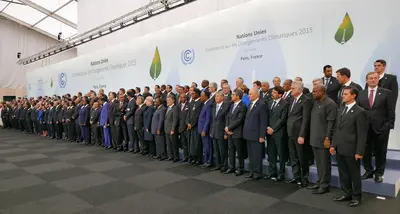
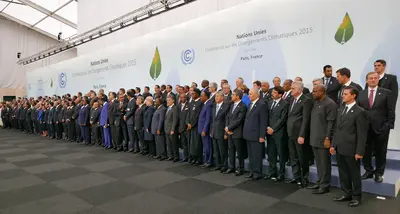
For the first time in 17 years, the United Nations Climate Change Conference concluded without a final agreement. Held at the Expo Center in Antalya, Turkey, the COP31 summit ended on Sunday after two days of overtime, making it the longest-running climate summit in UN history. The meeting collapsed when a coalition of nations rejected the proposed draft deal, known as the "Antalya pact," after negotiators failed to bridge deep structural divisions.
The breakdown represents climate diplomacy's most significant disruption since COP15 in Copenhagen. Australian Prime Minister Anthony Albanese, whose nation co-hosted the conference alongside Turkey, attributed the failure to "difficult geopolitical times." A combination of petrostates pushing to omit references to fossil fuel reductions, a U.S. boycott, and persistent disputes over financial commitments for developing nations ultimately derailed the fortnight of negotiations.
The Numbers and Evidence Behind the Collapse
The core fracture of COP31 centered on the fundamental language surrounding energy transitions and climate finance. A coalition of oil-producing countries resisted efforts to include clear language on moving away from fossil fuels, leading the European Union and several vulnerable nations to reject the final draft because it lacked explicit commitments to transition away from coal, oil, and gas.
UN Secretary-General António Guterres warned that despite the failure to reach a consensus in Antalya, there remains "no ambiguity in the science" regarding the imperative to address climate change.
The financial debate further exacerbated the deadlock. Negotiators failed to resolve how to fund vulnerable nations facing immediate climate impacts, leaving critical support mechanisms unfulfilled. Carbon Brief reporting highlighted that the draft "Antalya pact" was ultimately turned down by a broad coalition after it became clear that negotiators could not reconcile the rift between petrostates and countries demanding an explicit mandate on fossil fuel reductions.
Who Is Affected and What Was Left Behind
The absence of an agreement leaves developing and climate-vulnerable countries facing immediate shortfalls in international support. Communities seeking dedicated assistance for climate-related disasters were left empty-handed. For instance, Nepal's delegation had sought targeted flood aid at the negotiations, but those negotiations ended without delivering reparations or structured assistance funds.
The collapse also stalled progress for observer groups and civil society. Following last year's conference in Belém, Brazil, where a record number of Indigenous delegates attended, representatives left Antalya with critical promises on hold. Key framework agreements regarding food systems, forest preservation, nature protection, and ocean conservation were similarly left unresolved due to the absence of a adopted final text.
What Happens Next: Alternative Routes for Climate Action
The dramatic end of COP31 has triggered an urgent debate over the future of multilateral climate negotiations. While UN Secretary-General António Guterres reiterated calls for climate justice and stronger action on fossil fuels from Barbados following the summit, diplomats and policy experts are assessing how to rebuild momentum ahead of future sessions.
In the wake of the UN system's gridlock, several potential avenues for progress remain under discussion:
- Plurilateral Alliances: Smaller coalitions of ambitious countries and subnational actors may bypass consensus-based UN requirements to advance specific sector agreements on renewable deployment and fossil fuel phase-outs.
- Bilateral Finance Mechanisms: Vulnerable nations are expected to rely more heavily on direct bilateral partnerships and regional development funds to secure emergency climate finance and adaptation resources.
- Inter-sessional Negotiations: Technical working groups under the UNFCCC framework will attempt to address unresolved language around finance and nature conservation before the next annual session.
Although the Antalya talks ended without consensus, analysts note that multilateral diplomacy remains an essential, if troubled, vehicle for global accountability. Reconciling national economic interests with global decarbonization targets will require overcoming the deep geopolitical rifts exposed in Turkey.
Sources: This report draws on coverage by BBC Science & Environment, Carbon Brief, Grist, UN News Climate, Yale Environment 360, Mongabay, Time Magazine, The New York Times. The wording is our own.