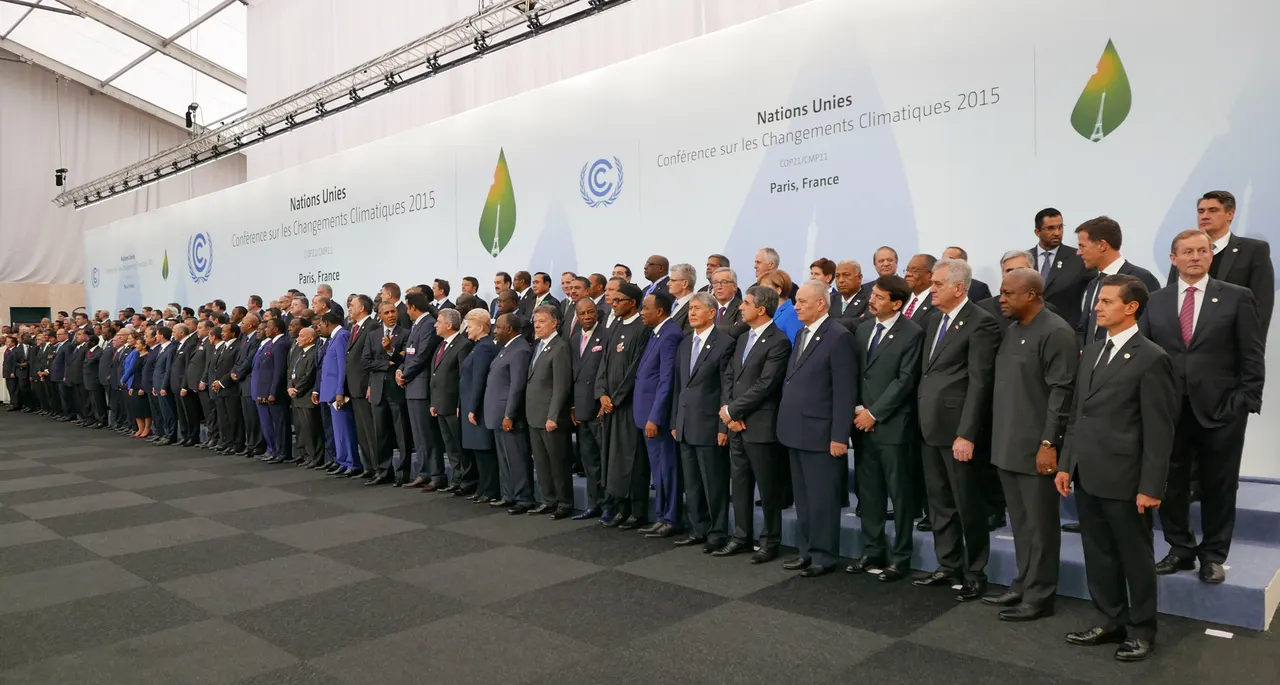
The longest United Nations climate summit in history has ended without an agreement, marking the first time in 17 years that a annual COP conference concluded without a final consensus text. Held in Antalya, Türkiye, the COP31 negotiations collapsed after entering a second day of overtime, undone by bitter disagreements over the global energy transition, financial reparations, and deep-seated geopolitical tensions.
Co-hosted by Australia and Türkiye, the summit concluded on Sunday after negotiators failed to overcome a fundamental deadlock between petrostates, who fought to strip references to transitioning away from fossil fuels, and a broad coalition including the European Union and climate-vulnerable nations, who refused to accept a weakened text. Australian Prime Minister attributed the summit's failure to broader "difficult geopolitical times," while a US boycott further eroded the diplomatic groundwork needed to reach a consensus.
The Points of Friction: Energy Transition and Finance
The breakdown in Antalya was driven primarily by two interconnected disputes: the explicit language surrounding fossil fuels and the mechanism for funding climate resilience in developing countries. A last-minute draft pact was rejected after petrostates pushed to omit any explicit mention of moving away from coal, oil, and natural gas. In response, the EU and several key negotiating blocs walked away, branding the compromised draft unviable.
Concurrently, talks stalled over climate finance—the funding required to help lower-income nations adapt to severe impacts and shift toward clean tech infrastructure. Developed and developing countries remained deeply divided over funding commitments, leaving critical mechanisms for loss and damage unfulfilled.
For the first time since 2009, UN climate negotiations ended without a final agreed pact, after petrostates demanded the complete removal of explicit references to shifting away from coal, oil, and gas.
Carbon Brief analysis shows that the talks failed to produce an overarching "pact" precisely because negotiators could not reconcile national economic reliance on fossil fuel extraction with the emissions reductions demanded by the international scientific consensus. Reporting by Grist and Mongabay underscored that the collapse was years in the making, reflecting long-simmering tensions over equity and the pace of the global energy transition.
Who Is Affected: Vulnerable Nations and Frontline Communities
The diplomatic failure carries immediate consequences for nations on the frontlines of climate impacts. Lower-income countries relying on international climate diplomacy to secure financial resources for climate adaptation were left empty-handed. Nepalese delegates, who had arrived seeking targeted aid following severe flood disasters, reported that financial commitments for vulnerable states were essentially left dead in the water.

Indigenous groups also faced severe setbacks. Building on momentum from the previous summit in Belém, Brazil, Indigenous representatives had gathered in Antalya as observers to press for direct access to climate funding and protected rights. They departed the collapsed summit with existing pledges on hold and no formal UN text to anchor their land stewardship initiatives within the global climate framework.
Addressing the outcome from Barbados, UN Secretary-General António Guterres expressed deep disappointment over the collapse, reiterating that there is "no ambiguity in the science" regarding the urgent need to address fossil fuel emissions and deliver climate justice for vulnerable populations.
What Happens Next: Alternative Routes for Clean Tech and Action
The failure to achieve a consensus agreement under UNFCCC rules—which require unanimous consent among all participating parties—has triggered an intense debate over the future of multilateral climate diplomacy. Despite the lack of a formal UN pact in Antalya, multilateral climate action is expected to pivot toward regional partnerships, bilateral trade agreements, and coalition-led decarbonization initiatives.
- Plurilateral Energy Alliances: Nations committed to accelerating the clean energy transition are likely to bypass stalled UN consensus mechanisms by pursuing direct trade and technology-sharing alliances focused on renewable rollout, battery supply chains, and green hydrogen.
- Regional Climate Finance Frameworks: With global climate finance agreements stalled, developing countries and multilateral development banks are turning toward tailored regional funding facilities and direct bilateral arrangements to finance resilient infrastructure.
- Rebuilding Diplomatic Momentum: UN officials and climate diplomacy leaders will focus on restoring diplomatic channels ahead of future sessions, though experts note that bridging the divide between major energy exporters and climate-impacted nations remains a monumental challenge.
While the breakdown in Antalya represents one of the darkest moments for international climate talks in recent memory, analysts stress that market-driven deployments of solar, wind, and electric vehicle technology continue worldwide, independent of the formal diplomatic text.
Sources: This report draws on coverage by BBC Science & Environment, Carbon Brief, Grist, Mongabay, UN News Climate, Yale Environment 360, Reuters, The New York Times. The wording is our own.