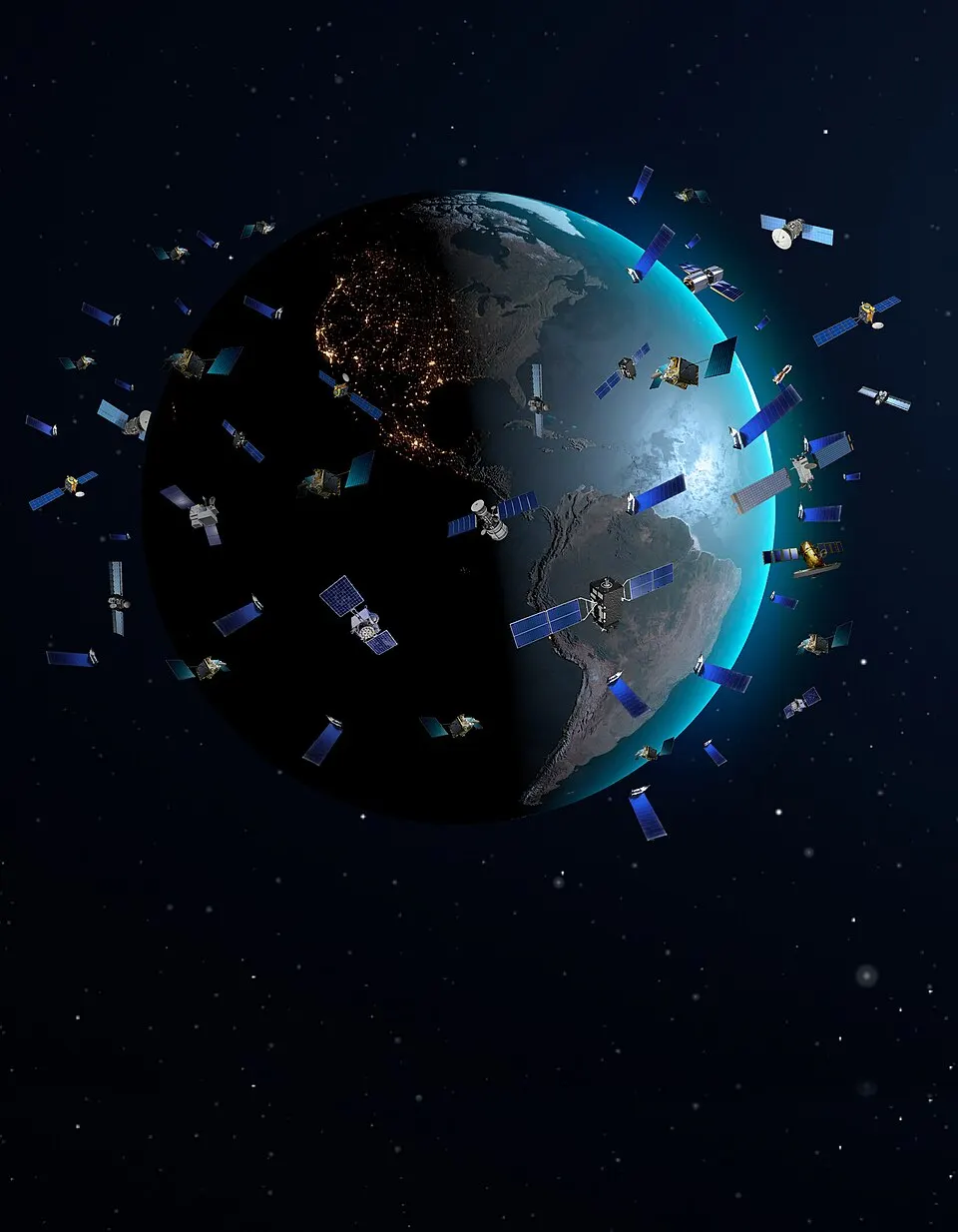
The U.S. Federal Communications Commission (FCC) has granted SpaceX conditional authorization to deploy and operate a constellation consisting of up to one million satellites, designed specifically to serve as orbital data centers. Announced on the Wednesday before Thanksgiving, the regulatory decision clears the path for the company to develop a massive space-based computing network, though the project remains subject to future technical and environmental evaluations. FCC Chair Brendan Carr hailed the approval as a development that “opens a bold new frontier for the computing infrastructure needed to power America’s leadership and growth.”
What are the primary concerns surrounding the project?
The proposal has faced stiff opposition from various stakeholders, including commercial competitors and scientific organizations, who have raised alarms over the potential for atmospheric degradation and orbital congestion. According to TechCrunch, companies such as Amazon and Viasat joined the American Astronomical Society in petitioning against the project. Amazon, which is currently developing its own satellite-based connectivity solutions, argued that the SpaceX application lacked fundamental operational details and constituted a “lofty ambition rather than a real plan.” Meanwhile, environmental and dark-sky advocacy groups have criticized the FCC for finalizing the approval without conducting a comprehensive environmental review. Organizations like DarkSky International and Earthjustice argue that the deployment of such an unprecedented number of satellites could cause permanent damage to the night sky and disrupt established scientific research.
“Allowing a million orbiting data centers with no environmental review isn’t just irresponsible — it’s reckless,” said Tim Whitehouse, executive director of Public Employees for Environmental Responsibility.
How will the Starmind constellation operate?
SpaceX intends to utilize a network referred to as Starmind, with satellites positioned in orbits ranging from 500 to 1,002 kilometers above the Earth. Under the current FCC authorization, the satellites will primarily rely on laser-based communication to connect with one another, as well as with the company’s existing Starlink infrastructure. The agency has provided specific permissions for SpaceX to utilize radiofrequency communications to maintain contact with and exercise control over these data centers should their primary laser systems experience a failure. Elon Musk expressed his support for the decision in a post on X, stating, “Much appreciate. This will be a great asset to America and the world.”

What is the broader context for satellite growth?
The authorization arrives during a period of rapid expansion in the satellite industry, which has seen the total number of active objects in orbit grow from approximately 1,400 in 2015 to roughly 15,000 by 2026. Projections from various reports suggest this figure could increase by another 58,000 satellites by the year 2030. SpaceX, headquartered at its Starbase facility in Texas, operates as a diversified aerospace conglomerate with segments dedicated to satellite transport, connectivity services, and artificial intelligence. The FCC maintains jurisdiction over these operations, balancing the company's growth with its mandate to oversee radiofrequency use, fair competition, and public safety.
What is still unclear and what happens next?
While the FCC has provided a regulatory green light, the project faces significant hurdles before any hardware reaches orbit. The agency has not yet granted approval for SpaceX’s plans regarding orbital debris management for satellites operating above the 600-kilometer threshold. Furthermore, SpaceX has requested a waiver of current regulations that mandate retired satellites must reenter the atmosphere within five years of mission completion, as the company explores options to relocate defunct hardware to other orbits. The FCC has established a timeline that gives the company seven years to launch its first operational data center satellite and a 14-year window to complete the full deployment of the million-satellite constellation. Consequently, the ultimate feasibility of the project remains contingent upon SpaceX overcoming substantial technical and economic obstacles, such as the costs associated with satellite manufacturing, managing heat dissipation for processors in the vacuum of space, and securing financing for specialized space-hardened chips.

Sources: This report draws on coverage by TechCrunch, Earthjustice, France 24, AP News, CNBC, WSJ, Reuters, Politico. The wording is our own.