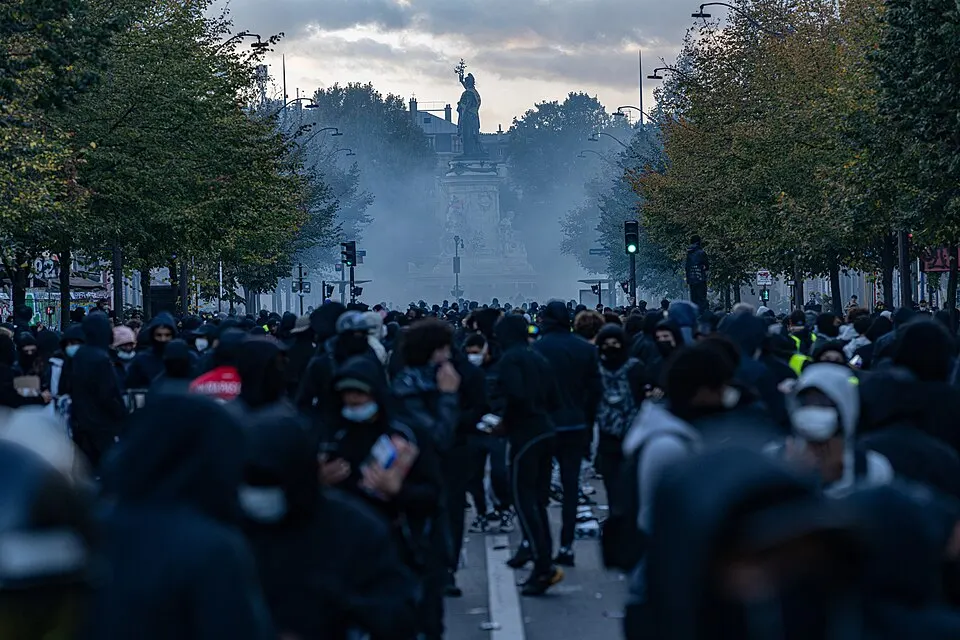
Tens of thousands of French public sector workers participated in a nationwide strike on Tuesday, November 17, 2026, to demand significant wage increases amid escalating concerns over living standards and deteriorating public services. The industrial action, marking the third major mobilization since September, impacted multiple sectors including maritime transport, schools, and hospitals, following the breakdown of negotiations between union representatives and Prime Minister Sebastien Lecornu last Friday.
Why are public sector workers striking?
Public sector employees are protesting to address a perceived erosion of purchasing power, which unions estimate has fallen by 16 percent since 2017. While the government has offered an increase of eight index points for the lowest earners and a pull-forward of the national minimum wage adjustment to December 1, unions have labeled these measures insufficient. The current government budget draft conspicuously omits a general salary increase for civil servants for the fourth consecutive year, citing the necessity of reducing the national deficit. Consequently, workers are calling for systemic changes to protect the quality of services and ensure that wages keep pace with inflation.
What was the scale of the turnout?
Estimates regarding the number of protesters vary depending on the reporting source and geographic location. Police sources indicated to Agence France-Presse that between 40,000 and 80,000 individuals were expected to demonstrate in Paris alone, with a national total projected between 220,000 and 300,000. While some rallies, such as those in eastern Paris, were characterized by festive atmosphere featuring music and drumming, other cities saw significant gatherings, including thousands in Lyon. Despite these figures, officials from the French Interior Ministry noted a general decline in overall participation compared to earlier protests held in the preceding weeks.

"It's about defending human rights first and foremost, but also protecting public services, which are being torn apart." — University professor Nicolas Prevot, as reported by Yahoo News Singapore.
How has the government responded?
The administration of Prime Minister Sebastien Lecornu is currently attempting to balance fiscal austerity with the need to quell social unrest. As the government races to finalize a 2027 deficit-cutting budget, it faces a complex political landscape ahead of next year's presidential elections. Authorities have implemented some concessions, including specific infrastructure investments in education and adjustments to the minimum wage, yet these have failed to satisfy the demands of the unified union front. Sophie Binet, Secretary General of the General Confederation of Labour (CGT), noted that the frequency of these demonstrations is historically significant, marking eleven national protest days in less than two months.
What is the broader context of these protests?
The current cycle of unrest began in mid-September, initially sparked by student grievances regarding conditions in high schools and universities. The movement subsequently expanded to include broader economic issues, such as rising fuel costs and the general cost-of-living crisis. While the vast majority of these rallies have remained peaceful, the backdrop of the movement includes sporadic incidents of looting, attacks on public buildings, and occasional clashes with police. Investigations into allegations of disproportionate police force during these events are currently ongoing, adding another layer of tension to the existing labor disputes.

What happens next?
It remains unclear whether the government will offer further concessions or if unions will announce additional dates for future industrial action. While student organizations have vowed to keep up pressure until their demands are met, there is no official confirmation regarding the next phase of the protests. Discrepancies between government budget goals and union expectations suggest that negotiations may remain deadlocked. Furthermore, it has not been established how the ongoing labor dispute will specifically impact the government's ability to pass the 2027 budget, nor has a definitive timeline been set for any potential resumption of high-level talks between the Prime Minister and union leaders.
Sources: This report draws on coverage by France 24, Al Jazeera, Yahoo News Singapore, Euronews.com, TradingView, Heavy Lift & Project Forwarding International, Reuters, Seeking Alpha. The wording is our own.