Russian military forces launched a concentrated ballistic missile assault on Kyiv late Monday, November 16, 2026, striking both the North and South bridges across the Dnipro River and causing widespread disruption to critical infrastructure including water and heating supplies. The strikes, which occurred despite advance warnings from Ukrainian officials, coincided with a significant Ukrainian-led drone campaign against the Kerch Bridge, a strategic link between the Russian mainland and the occupied Crimean Peninsula. Kyiv Mayor Vitali Klitschko confirmed the impact on the capital's transit infrastructure, while Russian-installed authorities in Crimea reported a mandatory halt to all road traffic across the Kerch Strait crossing.
What is the status of the infrastructure in Kyiv?
The missile strikes resulted in damage to essential systems across the Ukrainian capital. Mayor Vitali Klitschko reported that the hits on the Northern and Southern bridges caused complications for residents, specifically noting that heating and water services were interrupted in multiple districts. According to reports from the Kyiv Post and UNITED24 Media, the city experienced a series of explosions starting around 11:34 p.m. local time as air defenses engaged the incoming ballistic threats. The Institute for the Study of War has previously suggested that Russian efforts to target these specific river crossings are intended to fracture the capital's electricity grid and hamper logistics as winter weather patterns begin to affect the region. Beyond the capital, ballistic missile activity was documented in the Cherkasy region, where regional governor Ihor Taburets confirmed three injuries in the town of Smila. Additional explosions were reported by local sources in Zaporizhzhia and Kharkiv.
What transpired at the Crimean Bridge?
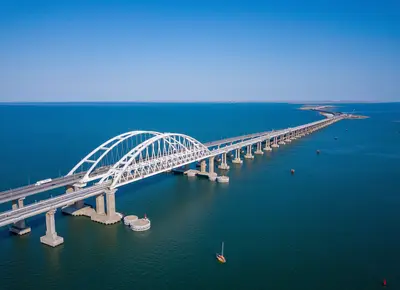
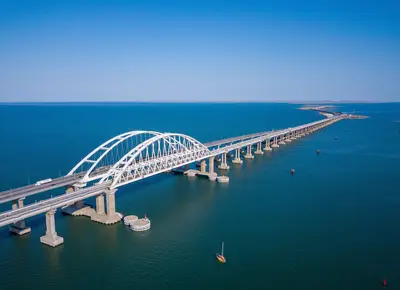
Ukrainian forces conducted a high-intensity drone strike against the Kerch Bridge connecting Russia to occupied Crimea, marking a significant escalation in ongoing attempts to disable the transit route. Sergey Aksyonov, the Moscow-appointed governor of the occupied territory, acknowledged the strike, which prompted an immediate cessation of vehicle movement. Reports from The Guardian indicate that the incident involved a kamikaze drone hitting an arch structure at approximately 5:38 a.m. local time, though the Kremlin spokesperson Dmitry Peskov subsequently sought to minimize the impact as minor. Despite these official Russian claims, the facility remained closed to facilitate safety inspections, leaving thousands of motorists stranded on either side of the strait. This action follows a long-term tactical focus on the bridge, which has been subjected to previous sabotage efforts, including a truck bomb in 2022 and a sea-based drone operation in 2023.
"At the moment, traffic is suspended," Crimean Moscow-installed governor, Sergey Aksyonov said Tuesday.
What is the broader context of the current hostilities?
The latest exchange of fire follows months of grinding attrition in the Russo-Ukrainian war, which began with the 2014 annexation of Crimea and escalated into a full-scale invasion in 2022. The 2026 hostilities have increasingly involved large-scale drone deployments; for instance, Russian officials claimed to have intercepted 1,336 Ukrainian drones during the recent coordinated operations, a figure that highlights the intensity of the current technological conflict. President Volodymyr Zelenskyy had cautioned the public shortly before the Monday strikes, referencing intelligence regarding Russian preparations for an offensive. Zelenskyy additionally pointed to the arrival of ballistic missiles from North Korea as a factor in Moscow’s expanded strike capabilities. These military developments are unfolding amid stalled diplomatic initiatives, with various international stakeholders attempting to navigate peace discussions that remain largely unresolved as combat operations persist.

What remains unconfirmed and what happens next?
Significant gaps remain regarding the long-term impact of these strikes, particularly concerning the structural integrity of the bridges in both Kyiv and the Kerch Strait. While eyewitnesses and local channels have provided visual accounts of explosions and listing structures at the Crimean site, official assessments from engineering experts have not yet been released to the public. The extent of the damage to Kyiv’s heating and water grid also remains subject to ongoing repair work, with authorities providing limited information on when full service will be restored. Furthermore, while Western and Ukrainian diplomats are scheduled to participate in the 37th meeting of the Ukraine Defense Contact Group in Brussels, it is not clear whether these specific battlefield incidents will result in shifts to military aid packages or strategic policy adjustments. No firm timeline has been provided by either side for the full restoration of transit across the Crimean Bridge, nor has there been official confirmation from the Ukrainian government regarding the full scope of their operational objectives for the drone barrage.
Sources: This report draws on coverage by The Kyiv Independent, Kyiv Post, France 24, DW.com, The Guardian, UNITED24 Media, Gulf News, The Straits Times. The wording is our own.