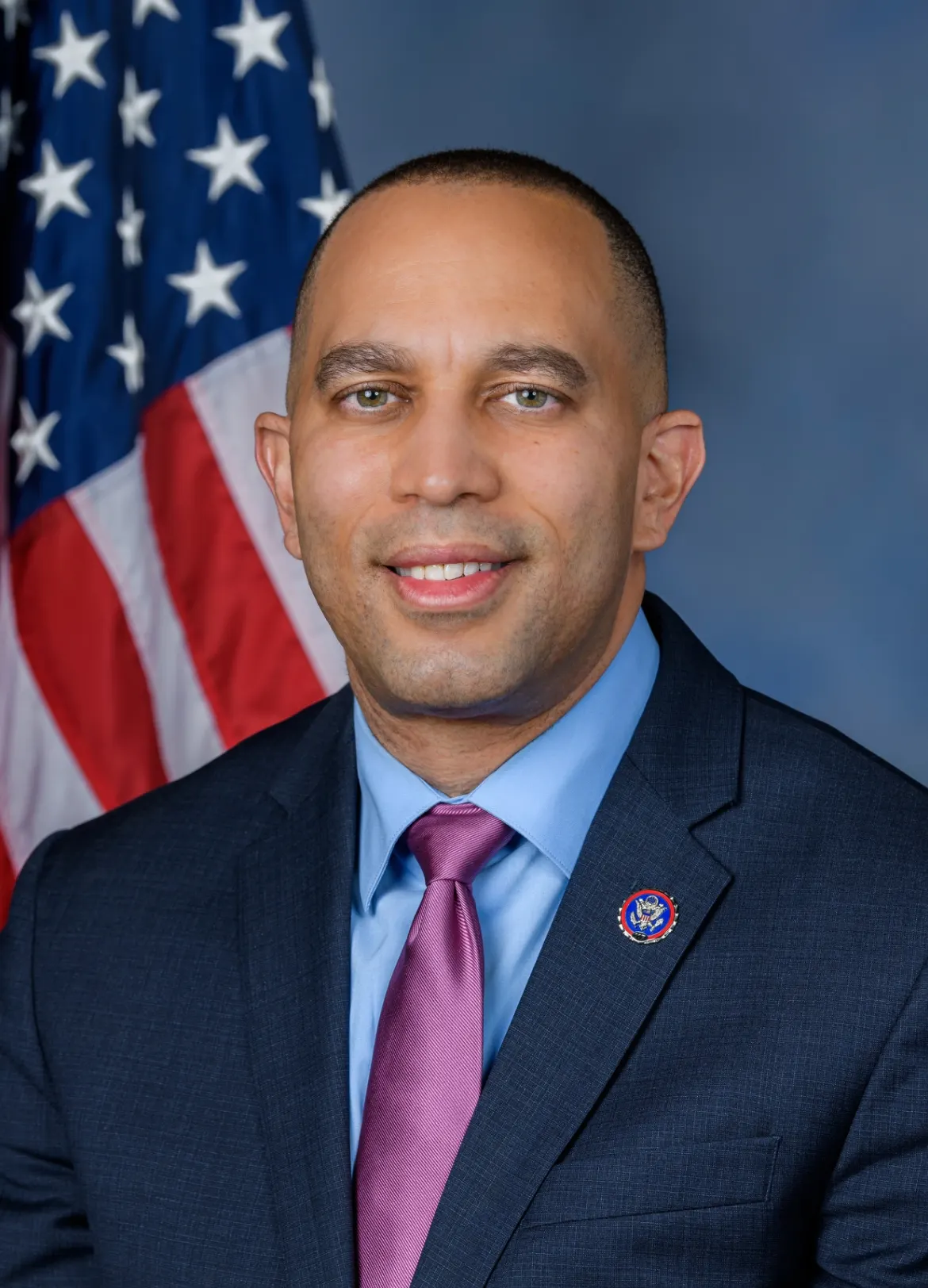
House Democrats officially nominated Representative Hakeem Jeffries of New York to serve as the next Speaker of the House during a closed-door internal election on Wednesday, November 18, 2026, setting him on a path to become the first Black lawmaker to hold the position. Jeffries, who currently serves as the minority leader, won the secret-ballot vote by a margin of 251 to 11, according to sources cited by NBC News and ABC News. The nomination follows a successful midterm election for the Democratic Party, which is projected to hold at least 257 seats in the upcoming 120th Congress, well above the 218-seat threshold required to elect a Speaker and control the lower chamber.
How did the internal Democratic leadership vote unfold?
The internal Democratic leadership vote was held in a private session at the U.S. Capitol where Hakeem Jeffries requested a recorded tally rather than a vote by acclamation to ensure transparency and allow members to register their positions. While Jeffries ran uncontested for the top post, 11 members of his caucus voted against his nomination. This internal dissent largely stemmed from the party's progressive wing, with seven incoming lawmakers issuing a joint statement explaining their opposition. Despite these holdouts, Jeffries received formal nominating speeches from a diverse group of allies, including veteran civil rights leader Jim Clyburn, who described the moment to NBC News as "very surreal."
Following the selection of Hakeem Jeffries, House Democrats filled other key leadership roles without opposition. Katherine Clark was elected as the incoming majority leader, making her the first woman to hold that specific title. Pete Aguilar secured the position of majority whip, becoming the first Latino to do so, and Ted Lieu was chosen as caucus chair, marking the highest rank ever achieved by an Asian American in House leadership. Together, this team will lead a substantial Democratic majority that benefited from significant turnout in Black communities, particularly across the southern United States, as noted by Congressional Black Caucus Chair Yvette Clarke.

"Our job is to fight MAGA extremism, not each other... and to get big things done for the American people," Hakeem Jeffries told reporters following the vote, as recorded by PBS.
What are the policy priorities of the incoming Democratic majority?
The policy priorities of the incoming Democratic majority under Hakeem Jeffries will focus heavily on economic relief and the cost of living for American families. Speaking at a news conference after his nomination, Jeffries pledged to address the high costs associated with groceries, gasoline, housing, and healthcare. He framed the party’s upcoming legislative agenda as a direct response to the struggles of voters in what he characterized as a failed economy. Additionally, House Democrats signaled an intent to increase oversight of the executive branch; Robert Garcia, the incoming Oversight Committee chairman, has already called for the preservation of documents from various associates and family members of President Trump.
The transition to power in January will likely be marked by significant friction with the executive branch. While President Trump has indicated a potential to cooperate on specific legislative items, he has simultaneously threatened to utilize his veto power against Democratic initiatives he opposes. This creates a challenging environment for Jeffries, who must balance the demands of his large majority with the reality of a Republican-led White House. To manage internal party dynamics, Jeffries has engaged in "good-faith conversations" with progressive members who are advocating for specific policy commitments, including Medicare for All and shifts in foreign policy regarding Israel and Gaza.

What is the historical context of the Speaker's office?
The Speaker of the House is a constitutional office established in 1789, serving as the political and parliamentary head of the House of Representatives and sitting second in the line of presidential succession after the Vice President. Hakeem Jeffries has represented New York's 8th congressional district since 2013 and took over as the leader of the House Democratic Caucus in 2023 following the tenure of Nancy Pelosi. His expected elevation to the speakership on January 3, 2027, would conclude the speakership of Republican Mike Johnson and mark a significant demographic shift in the history of the 237-year-old institution.
What happens next in the selection process?
What is still unclear is whether all 11 Democrats who opposed Hakeem Jeffries in the private caucus vote will support him on the House floor in January. While the Democratic majority is large enough to absorb some defections, the formal election for Speaker requires a majority of the full House of Representatives to be present and voting. This floor vote is scheduled for January 3, 2027, the first day of the new Congress. Additionally, while Democrats have secured 257 seats, seven House races remain uncalled as of Wednesday, which will determine the final size of the majority Jeffries will command. In the Senate, Democrats have already confirmed a 56-44 majority following Mary Peltola’s victory in Alaska, ensuring Jeffries will lead a unified Democratic legislative branch against the Trump administration.
Sources: This report draws on coverage by BBC News, PBS, NBC News, NPR, abcnews.com, AP News, France 24, The Washington Post. The wording is our own.