London-based consumer electronics maker Nothing is readying its first dedicated AI-native device: the Nothing Ear (note). Scheduled to launch on December 8, the upcoming product pairs a set of wireless earbuds with a charging case capable of recording and processing audio directly. Massive consumer interest surrounds the upcoming category, reflected by a recent viral video on futuristic tech that amassed 24.6 million views. However, before buying into the hype, buyers need to understand how the hardware functions and where potential limitations lie.
What the Nothing Ear (note) Is
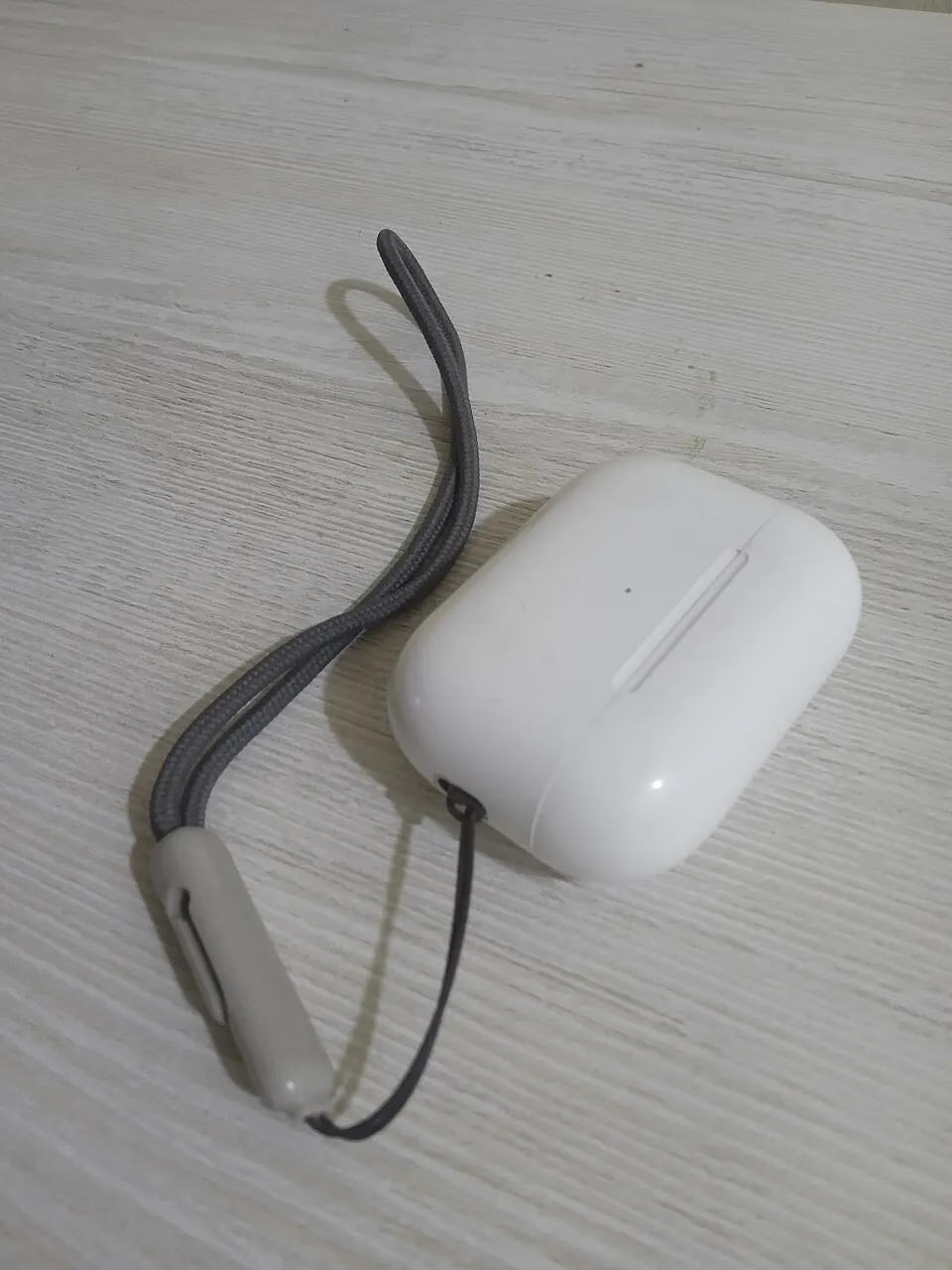
The Nothing Ear (note) represents the British startup's shift into AI-centric hardware. Unlike standard true wireless earbuds—which rely entirely on a connected phone to process inputs—the Ear (note) integrates voice-recording functionality directly into its charging case to handle audio capturing and smart processing.
As electroacoustic transducers, the earbuds act as a traditional personal listening device while doubling as an input system for ambient sound, calls, and spoken meetings. By placing recording mechanisms directly into the case, the system aims to streamline quick voice notes and meeting summaries without requiring users to navigate mobile operating system menus.

What Independent Outlets Are Reporting
Tech reporting outlets have begun piecing together how the system functions ahead of the official debut:
- The Verge reports that the upcoming Ear Note is designed specifically as a pair of earbuds featuring built-in AI transcription capabilities.
- Bloomberg notes that the phone maker is launching both earbuds and a specialized case equipped with AI recording tech.
- CNET reports that Nothing’s AI earbuds are intended to serve as an all-in-one conversation recorder for everyday use.
- Android Authority notes that the Ear note represents Nothing's first AI-native device, providing an early look at how its workflow handles voice capture.
- 91Mobiles and PCMag report that audio recording capabilities are built directly into the charging case itself, allowing users to capture calls and meetings.
- TechNode notes that the system specifically targets productivity scenarios, such as summarizing meetings and logging voice calls.
Key Strengths and Real-World Caveats
On paper, an all-in-one recording case solves a persistent hassle for professionals and students: capturing quick thoughts and formal meeting notes without pulling out a smartphone or launching third-party recording apps. The integration of artificial intelligence allows computational systems to process spoken audio, converting raw voice tracks into readable summaries and searchable transcripts.

However, an honest look at the hardware reveals important caveats that prospective buyers should keep in mind before launch:
- Consent and Legal Constraints: Recording conversations, calls, or in-person meetings carries strict legal requirements depending on your jurisdiction. Users will need to ensure they have explicit consent from all parties before initiating recordings using the case.
- Transcription Accuracy: AI transcription tools frequently struggle with heavy background noise, overlapping speakers, technical jargon, and distinct regional accents. Relying on automated notes for critical work meetings will still require manual review.
- Battery and Storage Unknowns: Offloading audio capture and computational processing to a compact charging case places heavy demands on small batteries. It remains to be seen how continuous recording affects overall daily battery life and internal storage limits.
Who Should Care?
The Nothing Ear (note) is tailored primarily for professionals, journalists, students, and remote workers who frequently record meetings, lectures, or interviews and want automated summaries without carrying dedicated voice recorders. If you simply want a pair of casual wireless earbuds strictly for music playback, traditional wireless earbuds without active recording hardware will likely remain the more practical choice.
Sources: This report draws on coverage by Moneycontrol.com, 91Mobiles, Basic Tutorials, Bloomberg, CNET, The Verge, Android Authority, shattered.io. The wording is our own.