We analyze the new Gemini-powered Android XR smart glasses built with Samsung, Warby Parker, and Gentle Monster to see if their privacy-first design beats Meta's offerings. Discover what early hands-on tests reveal about their killer features, audio-only trade-offs, and translation limits.
T
Tech Desk
3 min read0 views
Google is taking another shot at your face. Partnering with Samsung, Warby Parker, and Gentle Monster, the tech giant has officially launched its first batch of Intelligent Eyewear powered by Android XR and the new "Hey Gemini" wake word. Starting at $395 for Warby Parker frames and $449 for Gentle Monster styles, these audio-first smart glasses aim directly at Meta's market share while pushing a distinct, lower-creepiness privacy narrative. Public interest in futuristic wearables is clearly surging—a recent video highlighting intimidating new tech racked up over 23.5 million views—making Google's timing critical. But are these frames genuinely useful daily drivers, or just an expensive privacy gimmick?
What the New Android XR Glasses Actually Are
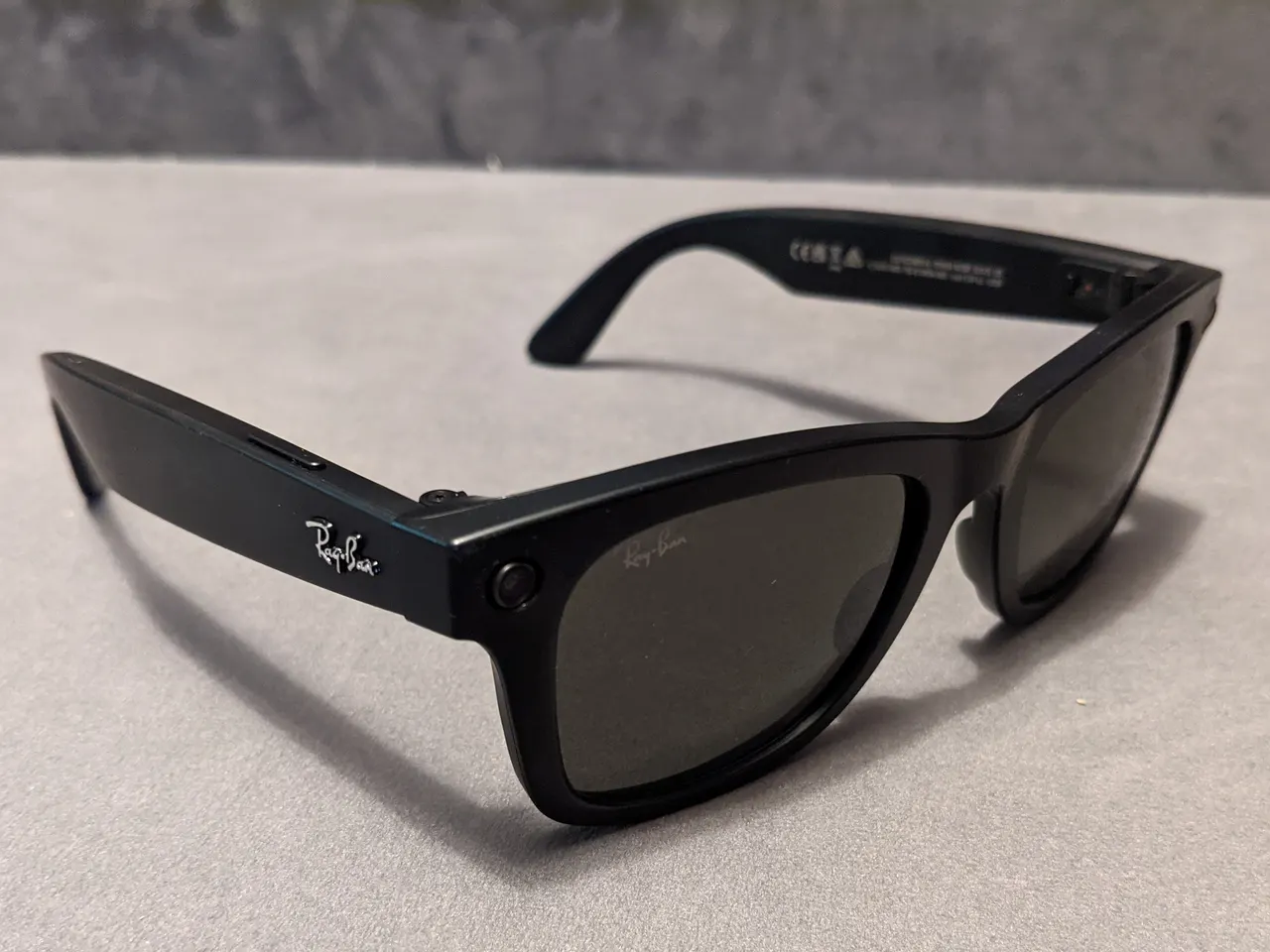
Rather than cramming bulky, battery-draining heads-up displays into everyday frames, this debut collection of Intelligent Eyewear focuses on high-end audio, multimodal AI, and sleek aesthetic design. Built on Android XR, the glasses lean heavily on Google's Gemini assistant to process what you see and ask in real time via onboard micro-cameras and microphones. Crucially for non-Android users, 9to5Mac reports that these glasses feature Made for iPhone certification and fully support iOS out of the box, broadening their appeal well beyond Google’s core ecosystem.
Watch: I tested the most Futuristic Tech - it scared me. — Mrwhosetheboss
What Independent Outlets Report: Strengths and Competitiveness
Early hands-on reviews suggest Google and Samsung have delivered a surprisingly polished hardware debut that makes Meta's dominance look vulnerable for the first time.
Sleeker aesthetic and lower "creep factor": ZDNET notes that the frames maintain a stylish, lightweight footprint with a notably lower creep factor than rival offerings, while WIRED highlights that the collaboration delivers genuine fashion credibility across a handful of distinct frame styles.
Displayless convenience: Engadget reports that the specs made reviewers rethink their stance on displayless smart glasses, praising the responsiveness of the audio interface and the debut of the "Hey Gemini" wake word, as detailed by Android Authority.
Strong privacy positioning: As Ars Technica and WIRED both emphasize, Google is aggressively pushing a privacy-first angle to distinguish its hardware from Meta. The design choices aim to reassure both wearers and bystanders that recording indicators are clear and data handling is tight.
Real-world competition: The Verge explicitly notes that with this release, Meta finally has real competition in the AI eyewear space, citing strong multimodal response times and hands-free utility.
Honest Weaknesses and Real-World Limitations
Despite the initial hype, hands-on testing highlights several sharp trade-offs you must accept before spending $395 or more.
"Google’s Intelligent Eyewear is great at translation, but I wouldn’t use it to have a conversation." — Android Authority
Augmented reality (Image: Wikimedia Commons)
The primary caveats reported across early coverage include:
Strict translation limits: While real-time language translation is built in, Android Authority warns that getting the most out of the tool requires knowing its limits. It works well for processing announcements, signs, or brief queries, but breaks down during natural, fast-paced ambient conversations.
No visual display (HUD): If you are expecting augmented reality graphics overlaid onto the real world, you will be disappointed. These are audio-centric glasses; all feedback comes through spoken Gemini responses or smartphone integration.
Premium pricing for design upgrades: While the base Warby Parker models start at $395, stepping up to Gentle Monster's designer frames bumps the price tag to $449, which may be a steep ask for audio-only specs.
Who Should Buy Them (And Who Should Wait)
Google's Intelligent Eyewear makes the most sense for early adopters who want instant, hands-free access to Gemini's multimodal intelligence without staring at a phone screen or wearing a heavy mixed-reality headset. iPhone and Android users who prioritize privacy and stylish, lightweight optical frames will find a lot to like here. However, if you require a visual heads-up display or expect seamless, continuous live voice translation for complex international travel, you should wait for future Android XR hardware iterations.