The Spanish government officially approved a royal decree this Tuesday that mandates a reduction in maximum classroom ratios for early childhood education, secondary schooling, and vocational training across the country. The regulation, which modifies the 2010 framework, will begin its phased implementation on January 2, 2027, eventually reaching full application for all targeted school levels by the 2030-2031 academic year.
Details of the classroom ratio mandate
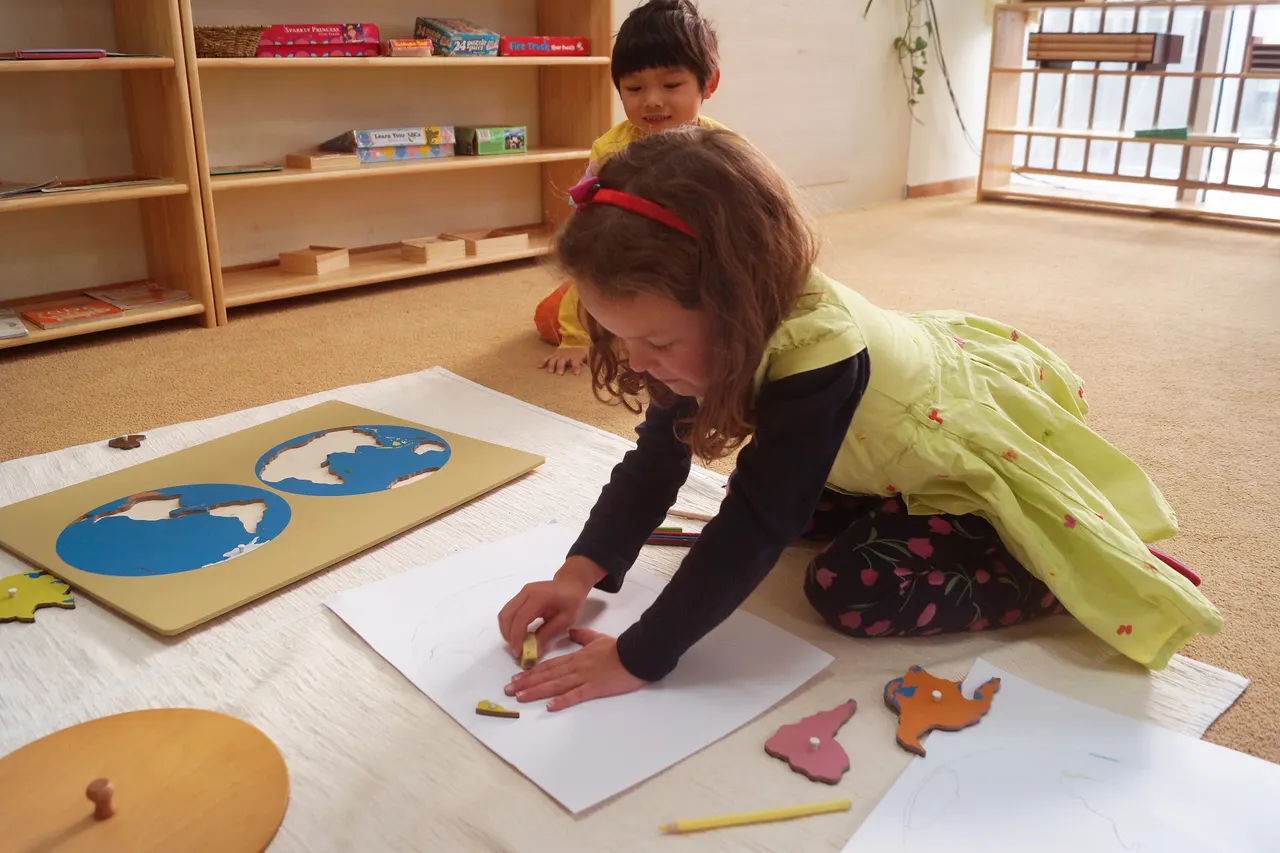
The core of the educational reform focuses on Early Childhood Education for children aged zero to three. Starting with the 2027-2028 academic year, the maximum number of infants per professional will be capped at four for the zero-to-one age group, six for the one-to-two age group, and eight for the two-to-three age group. These new limits will be introduced progressively, starting with the first year of the cycle before being rolled out to subsequent years. Beyond the early years, the decree establishes a ceiling of 20 students per unit for the second cycle of Early Childhood Education and limits Bachillerato classes to 30 students. For students with special educational needs, the regulations dictate that each individual will count as two positions when calculating maximum class density, a provision set to take effect in the 2027-2028 school year to acknowledge the increased attention required for their development.
Impact on vocational training and regional autonomy
Vocational training programs are also subject to structural changes under the new decree. For medium and higher-grade levels, as well as specialization courses, classes will be limited to 25 students per teacher starting in the 2028-2029 academic year. For basic vocational training, the limit is set at 15 students per educator, with a phased rollout beginning the same year. The government further mandated that for specialized environments like laboratories or workshops, ratios must be adjusted downward based on safety standards, capacity, and the specific nature of the facilities, allowing for the splitting of groups to maintain safety. Crucially, the legislation preserves the authority of Spain's autonomous communities, which maintain the power to implement even stricter limits or enhance these baseline regulations to better suit local educational needs.

The reduction of student-teacher ratios and class sizes is a critical strategic measure to enhance the overall quality of the Spanish education system, building upon legislative efforts initiated in 1985 regarding the right to education.
Why the reform takes place in a complex political landscape
This legislative change arrives just days before Spain’s general election on November 29, 2026. The national government is navigating these structural social investments while balancing concerns over fiscal limitations. According to data provided by ing think, Spain’s public finances have improved since the pandemic, with the budget deficit falling from 9.9% of GDP in 2020 to 2.4% in 2025. However, public debt remains high at approximately 100% of GDP, necessitating careful management of public resources. The main political parties—PSOE, the PP, and Vox—have put forward divergent proposals for the country's economic future, ranging from tax relief and administrative efficiency to increased social spending. With European recovery funding nearing its conclusion, the next government will face the challenge of funding these educational improvements alongside competing demands from defense, infrastructure, and healthcare sectors, all while managing a population that continues to age.
What happens next?
While the cabinet has passed the royal decree, the long-term fiscal sustainability of these reforms remains a subject of political debate. Outlets reporting on the election cycle note that while all major parties propose various mixes of investment and tax adjustments, none have demonstrated that their specific funding streams will be sufficient to cover all permanent commitments. Furthermore, the reports do not specify the exact total public investment required to facilitate the transition to these lower classroom ratios, nor is it clear how individual regional governments will prioritize the funding of these changes within their own budgets. The implementation will proceed according to the government's set timeline, with the first major changes taking effect in January 2027, marking the beginning of a multi-year transition that will conclude with the final stage of Bachillerato adjustments in the 2030-2031 academic year.

Sources: This report draws on coverage by educacionfpydeportes.gob.es, ing think, Demócrata, Bioengineer.org. The wording is our own.