How will the November 11 general strike impact Spain?
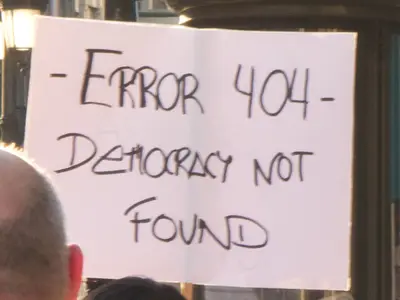
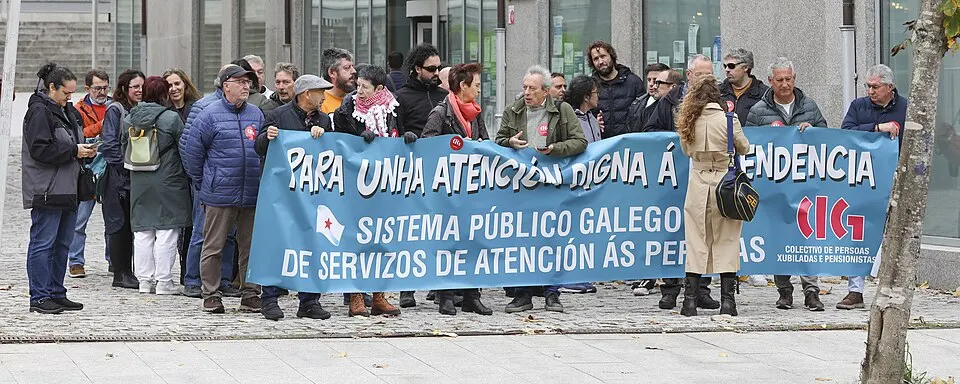
Spain faces a significant day of nationwide industrial action on November 11, 2026, as workers participate in a general strike that coincides with the official kickoff of the electoral campaign. The strike, which is expected to disrupt services across the country, follows weeks of heightened political tension and public unrest. While authorities in areas such as southern Gran Canaria have confirmed that essential services like gas stations will remain operational, the strike’s impact is anticipated to be felt across major urban centers, with demonstrations organized in cities throughout the nation.
What are the primary political drivers behind the current instability?
The political climate is heavily polarized, with Prime Minister Pedro Sánchez calling for widespread citizen mobilization, drawing comparisons to recent political movements in Brazil and the United States. Conversely, opposition figures, including People’s Party (PP) member Cayetana Álvarez de Toledo, have criticized the government’s conduct, particularly regarding a recent fatal accident in Urda. Tensions escalated further after Salvador Illa condemned the suggestion by PP leader Alberto Núñez Feijóo to suspend the strike following the tragedy. Meanwhile, the departure of Oscar Puente from his government role has cleared a path for the intensifying electoral race as parties prepare for the 29N elections.
Why is the government facing criticism over protests and judicial actions?
Government actions regarding public order have come under intense scrutiny from multiple fronts. Irene Montero has publicly denounced what she describes as the deliberate intensification of police violence against protestors, following reports of law enforcement clearing long-standing housing encampments at Madrid's Puerta del Sol. Additionally, the judicial system has become a focal point of the unrest, with the Prosecutor’s Office requesting travel restrictions for ten members of the group Núcleo Nacional. Although a judge has ordered their release, the court has mandated that these individuals remain in Spain while investigations proceed.

"The day after the general strike there will continue to be a problem with housing." — Antoni Cañete
How does the political landscape affect the housing and social agenda?
Housing remains a central pillar of the ongoing social discontent, with critics arguing that industrial action alone will not resolve the systemic issues facing Spanish citizens. Economic grievances are being debated alongside the government's current funding policies for labor unions, a topic that has sparked heated exchanges between political commentators and officials like Afra Blanco. Despite these deep-seated societal concerns, the political class remains focused on the impending vote, with the party Vox promoting a platform centered on the slogan of "common sense" for the 29N polls.
Is the general strike affecting non-political public events?
While the country navigates political turmoil, high-profile international events have continued to draw attention to Madrid. The recent NFL game held at the Santiago Bernabéu stadium proceeded amidst a significant presence of authorities. The event, which occurred as political leaders balanced election campaigning with the mourning of the accident in Urda, served as a brief diversion from the domestic volatility. Observers noted that the match provided a unique intersection of global sports culture and local tensions, occurring in a city currently grappling with a cycle of political and social protests.