Fossil records cannot preserve the color of an iris, a hurdle that Julius Tabin, a doctoral student in genetics at Harvard, overcame in 2024 using thousands of high-resolution photographs uploaded to iNaturalist. Working with Katherine Chiasson of Johns Hopkins, they used image-processing software to analyze the eyes of 52 feline taxa, publishing their findings in the journal iScience. Their analysis revealed that 38 of these species possess gray eyes, while blue eyes appear in only six. Crucially, all six of the species with blue eyes also possess gray-eyed members, suggesting gray serves as a vital evolutionary bridge.2
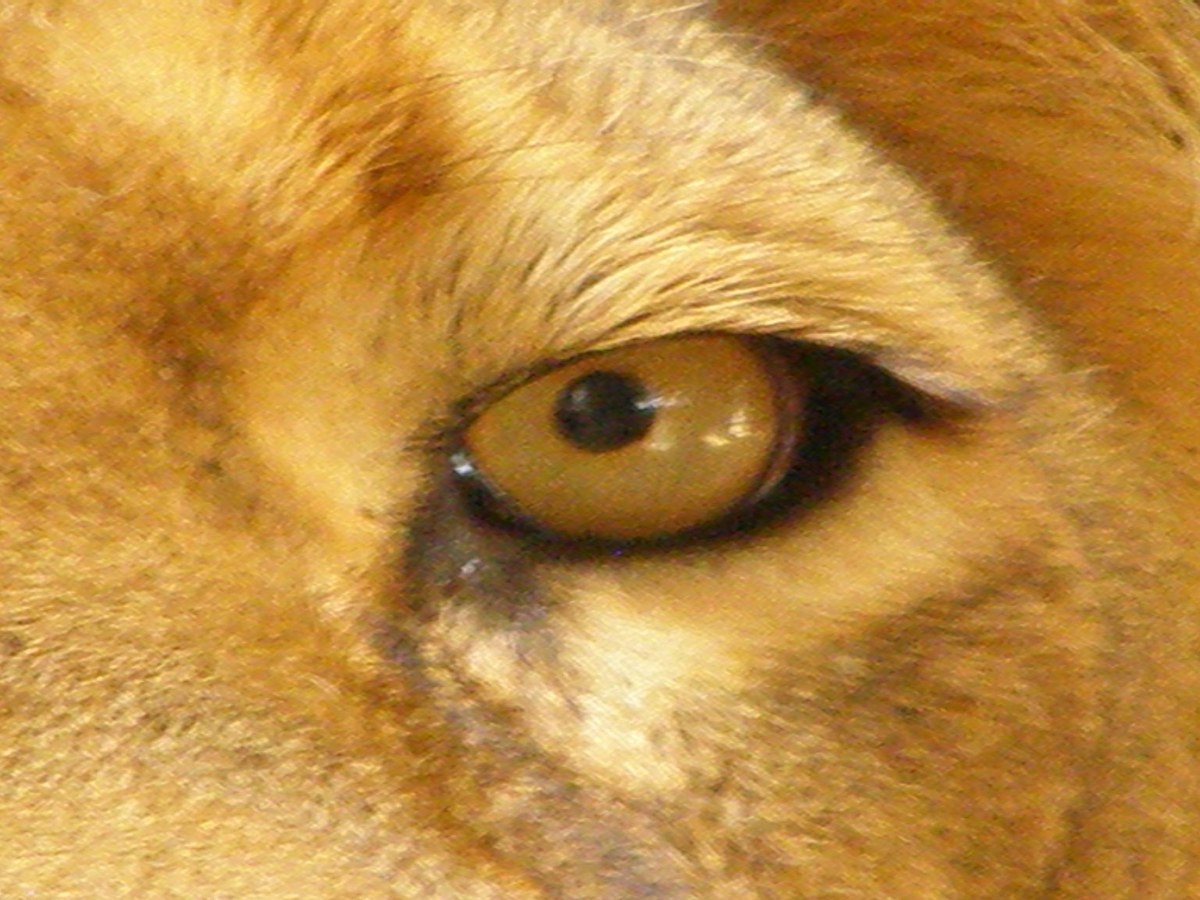
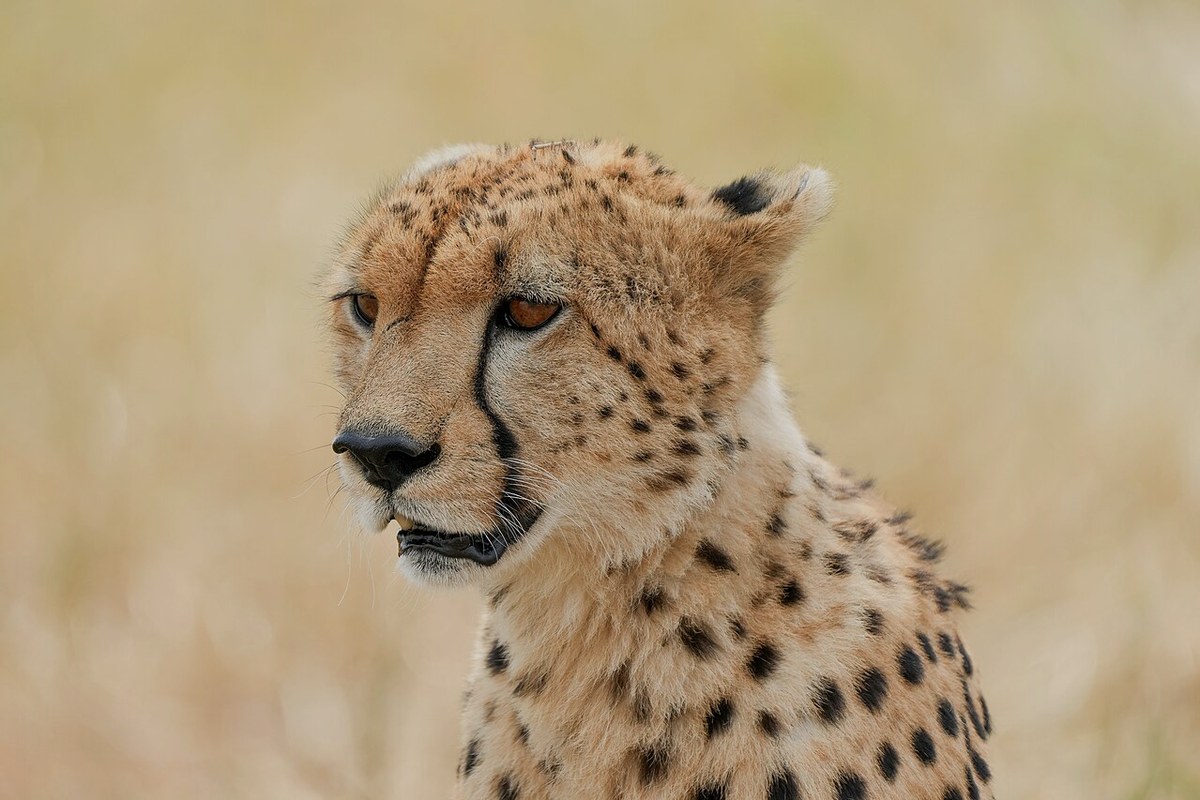
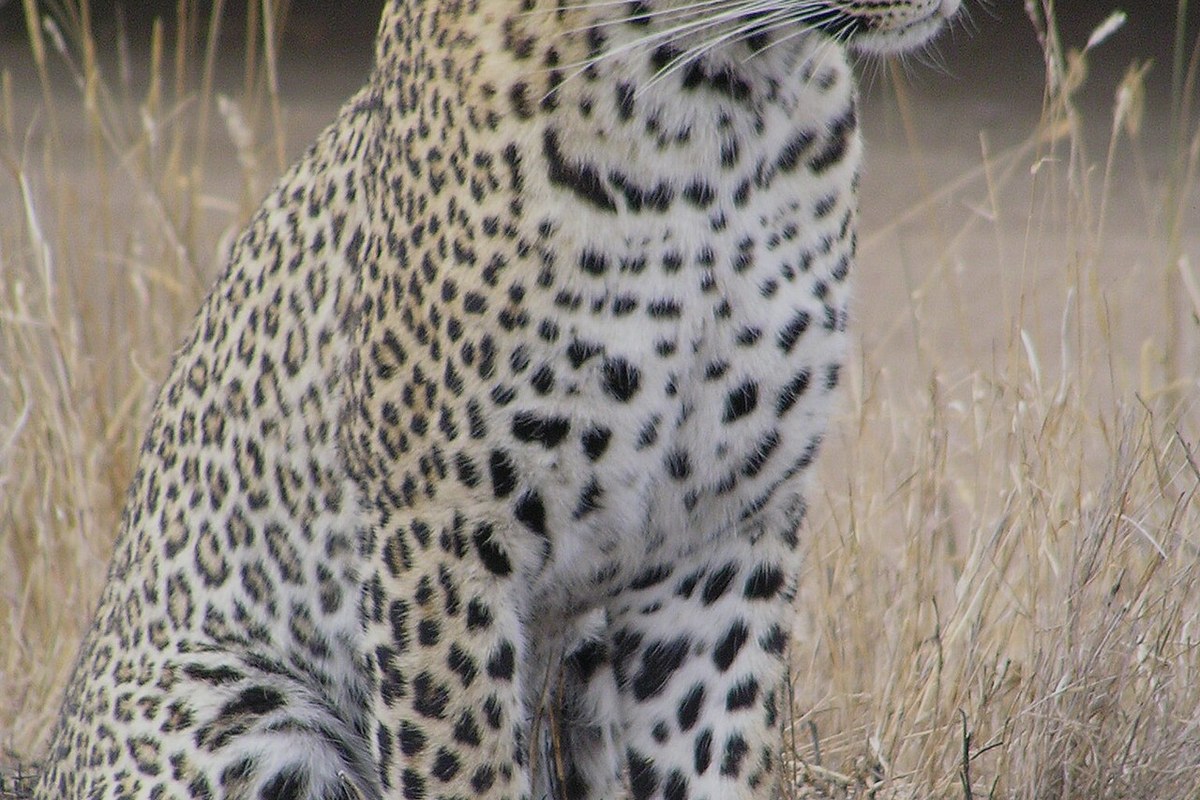
Africa’s three iconic big cats are central to these findings. The leopard is highlighted as the primary example of a species with yellow eyes, while the lion and the cheetah display irises that predominantly shift between brown and yellow tones.
- Lion, leopard, and cheetah hunting patterns vary by time and method, yet their eye colors do not strictly correlate with these activity cycles.
- Harvard researchers categorized five iris colors across 52 cat taxa: brown, gray, yellow, green, and blue.
- Gray eyes appear to be an intermediate evolutionary stage between brown and blue; no species exhibits blue eyes without also carrying the gray phenotype.
- Habitat has little influence on iris color, but yellow eyes show a strong correlation with the evolution of round pupils.
How do the hunting styles of lions, leopards, and cheetahs differ?
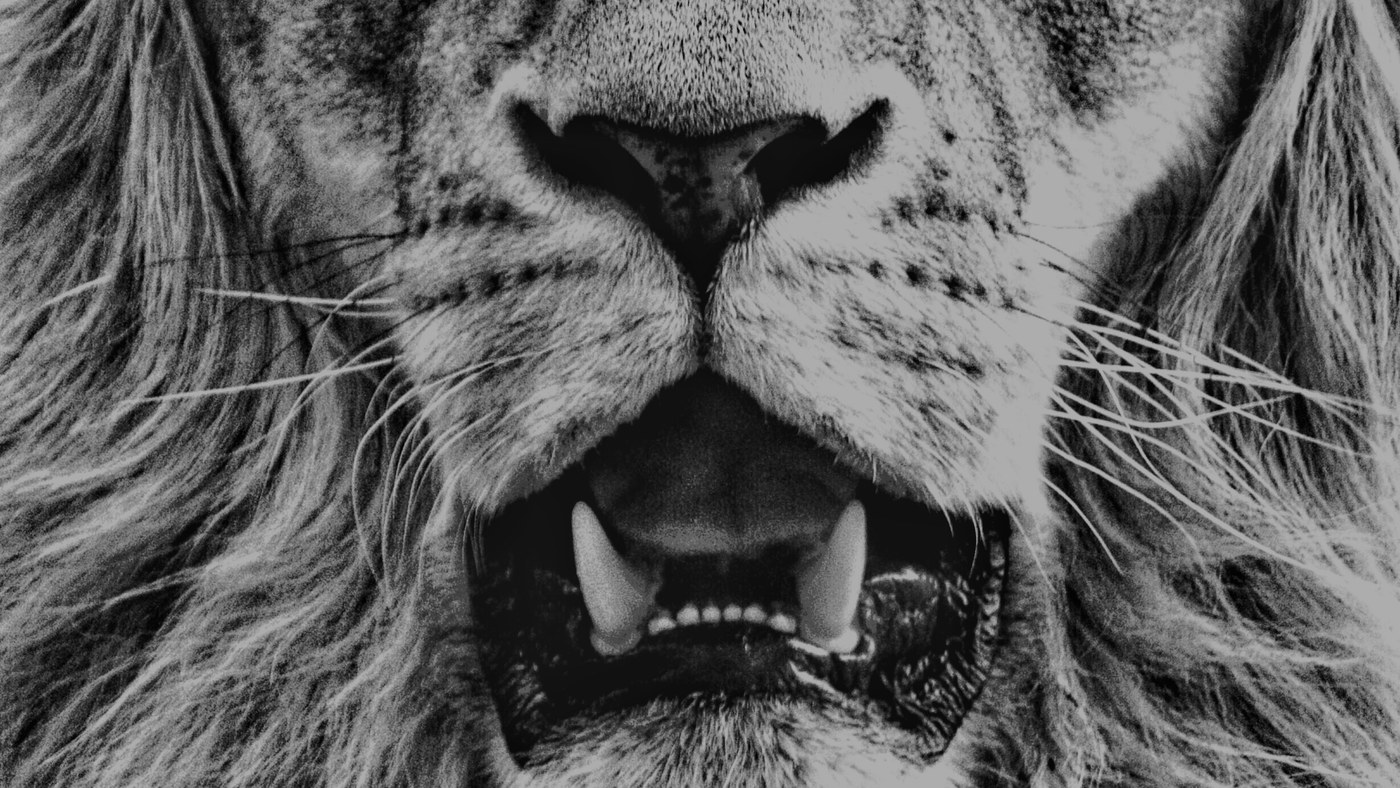
When discussing Africa's big cats, the lion, leopard, and cheetah remain the definitive figures. While all are carnivores, they occupy distinct ecological niches. The lion is one of the few big cats that hunts in prides, sharing kills and protecting territory through vocalizations. The leopard is a solitary hunter known for dragging prey into trees to avoid competitors and resting during the heat of the day. The cheetah is built for speed, acting as one of the fastest terrestrial mammals over short distances.1
These three cats also operate on different internal clocks. The leopard hunts primarily at night and during twilight hours, whereas the cheetah is a diurnal hunter. Lions, meanwhile, perform the majority of their hunting under the cover of darkness. Despite their status, all three are classified as vulnerable on the IUCN Red List. As of 2023, approximately 23,000 adult and sub-adult lions remain, occupying only 7.4 percent of their historical range. Cheetah populations are even more fragmented, with an estimated 6,517 adult individuals living in just 9 percent of their historical range.1
How did researchers map the evolution of cat eye color?
While many wild mammals have a limited range of iris colors—mostly brown or sometimes yellow—the Felidae family exhibits an extraordinary spectrum of five distinct colors. Tabin and Chiasson avoided subjective bias by using software to group pixels from thousands of photos into five clusters: brown, gray, yellow, green, and blue.2
By mapping these colors onto the feline phylogenetic tree, the researchers reconstructed the likely iris state of ancestral cats. They concluded that early, pre-feline ancestors only possessed brown eyes. As the lineage diverged, gray eyes appeared. This color likely resulted from a reduction in melanin; when the amount of dark eumelanin drops, the iris shifts from brown to a muted gray-brown. Once this gray state emerged, the evolution of the other three colors became statistically much easier.2
To ensure accuracy, the team rejected images of museum specimens and relied solely on high-quality photographs of living animals. The study revealed one notable exception: the cheetah is the only species in the 52-taxa dataset where brown and yellow eye colors could not be statistically distinguished.3
Why is the color gray necessary for the emergence of blue eyes?
Blue irises, characterized by low pigmentation, appear to be a recessive trait in cats. According to Tabin, a single blue-eyed individual would struggle to persist in a population dominated by brown-eyed cats; it requires a transitional state, such as gray, to bridge the gap. In their comprehensive survey, the researchers found that not a single cat species possesses both brown and blue eyes without the presence of the gray phenotype.2
The snow leopard, which inhabits the mountains of Central Asia, is one of the six blue-eyed taxa identified. These cats often display a thin beige ring around their blue irises, a detail the researchers' software successfully detected as a separate layer. Lions and leopards belong to the same Panthera genus as the snow leopard, and their eye colors are linked to the same gray-eyed ancestors on the evolutionary tree.3
What is the relationship between yellow eyes and pupil shape?
Tabin and Chiasson compared iris colors against various environmental and biological factors, including habitat, activity patterns, and coat markings. While the link to specific habitats was weak, they found that yellow eyes are most strongly associated with the evolution of round pupils. Lions, leopards, and snow leopards all possess round pupils, unlike the vertical slits found in many smaller felids. While the study did not test the underlying reasons for this, sexual selection remains a primary candidate for why these specific traits evolved in tandem.2
Notes and Sources
- Ecology summaries for Panthera leo, Panthera pardus, and Acinonyx jubatus: IUCN Red List species accounts; Nicholson, S. et al. (2023), Panthera leo IUCN Red List assessment; Durant, S.M. et al. (2017), "The global decline of cheetah Acinonyx jubatus", PNAS 114(3): 528-533. ↩
- Tabin, J.A., Chiasson, K. (2024). "Evolutionary insights into Felidae iris color through ancestral state reconstruction", iScience 27: 110903. ↩
- Harvard Gazette (2024). "Blue, green, gold: Why eyes of wild cats vary in color"; Phys.org (October 8, 2024) summary. ↩