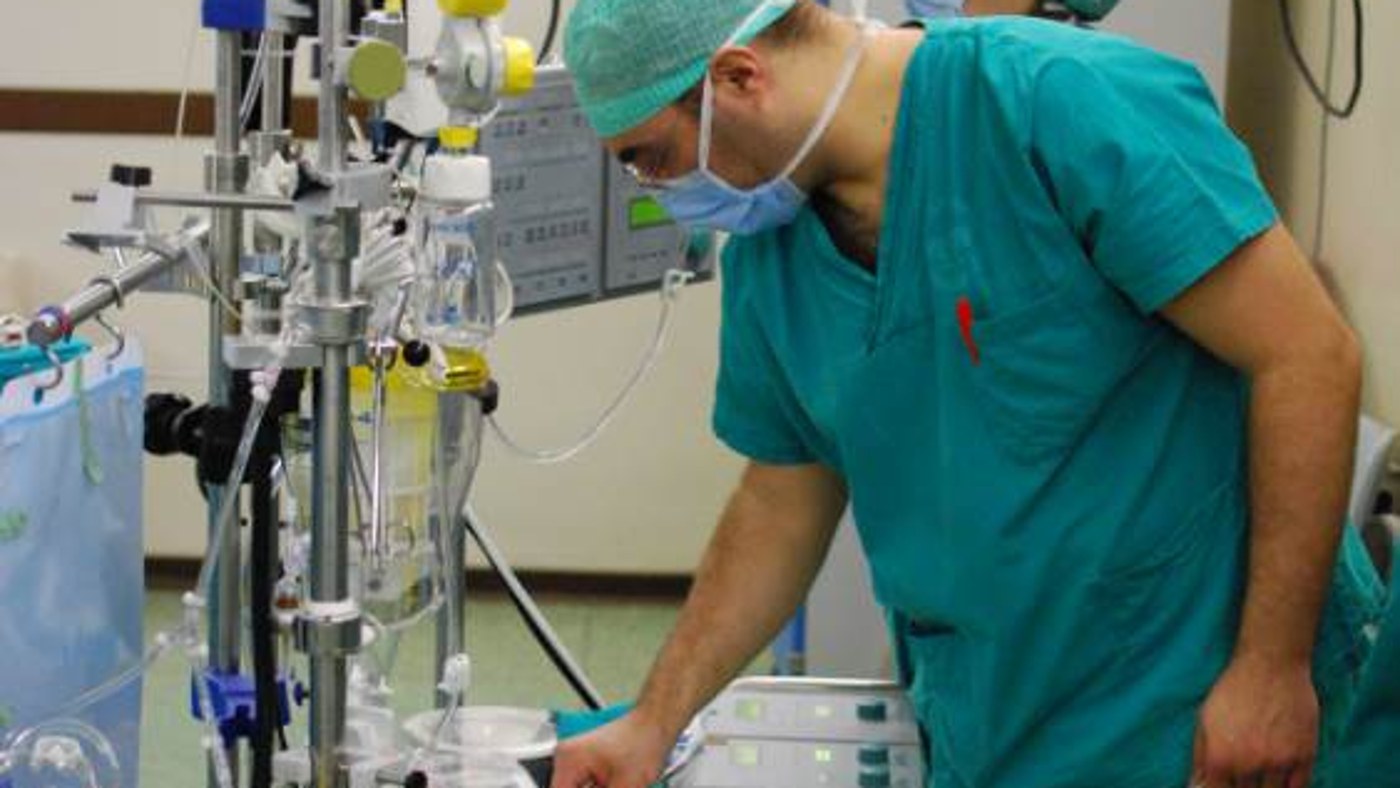
On the morning of October 28, 2026, Turkish Health Minister Kemal Memişoğlu announced that a domestically developed heart-lung machine has been successfully utilized in 57 clinical procedures across three separate hospitals.1 This development highlights Turkey's entry into a select group of only four nations worldwide capable of manufacturing this specialized life-support equipment.
How does the LIFELINE HLM function during cardiac surgery?
The heart-lung machine acts as a critical bridge during open-heart surgery, assuming the functions of both the heart and lungs when the heart must be stopped to allow for surgical access. It removes blood from the body, oxygenates it, and returns it to circulation, effectively maintaining life during the most delicate stages of the operation.2 Because the technical reliability of the device directly dictates patient safety, the expertise of the perfusionist team—who monitor blood flow, oxygen levels, and temperature in real-time—is as vital as the hardware itself.4
What is the significance of the 57-patient data set?
The figure of 57 patients represents a multicenter achievement, verifying that the LIFELINE HLM performs consistently across different surgical environments and medical teams. Initial clinical implementation began at the Ankara Bilkent City Hospital, followed by further successful cases at Gaziantep University.3 In one instance at the latter facility, the machine supported four distinct procedures, including triple-vessel bypass and minimally invasive valve replacement, demonstrating its versatility in clinical practice.
What data is required to confirm the long-term success of the device?
While 57 patients provide a promising foundation, long-term validation of the LIFELINE HLM will require granular analysis beyond mere survival rates. Medical experts look for comprehensive data on postoperative recovery metrics, including duration in intensive care, rates of blood loss requiring transfusion, neurological complications, and 30-day mortality statistics.4 For this technology to achieve widespread clinical trust, longitudinal reporting must detail how the device performs across high-risk patient profiles, such as pediatric cases or complex, long-duration surgeries.
Notes and Sources
- Statement by Health Minister Kemal Memişoğlu, October 28, 2026. Reported by TRT Haber: Domestic heart-lung machine successfully used in 57 patients. ↩
- Melrose, D. G. (1953) early clinical framework of the heart-lung machine; for general operational principles, see: Cleveland Clinic, Cardiopulmonary Bypass. ↩
- Gaziantep University Press Office (August 26, 2026): Surgeries with domestic heart-lung machine completed at GAÜN. ↩
- Yanagawa, B. et al. (2020). Review of early-stage risk indicators associated with cardiopulmonary bypass: Journal of Thoracic Disease. DOI: 10.21037/jtd.2019.12.88. ↩