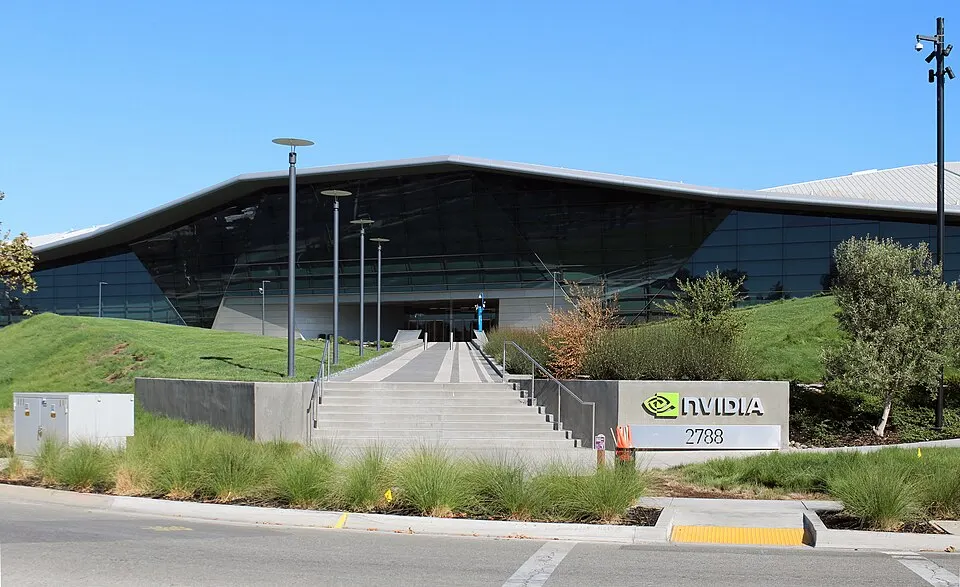
The United States Department of Commerce officially placed the Singapore-based artificial intelligence company Megaspeed Ltd. on its export control entity list on Monday, November 24, 2026, effectively barring the firm and its subsidiaries from acquiring American-made semiconductors and other sensitive technologies without a federal license. This regulatory action, which also impacts affiliates including Speedmatrix, MSFusion, Apex Enterprise Solutions, and Swiftdata, follows a two-year investigation into allegations that the company violated export laws by diverting advanced computing hardware to unauthorized end-users in China. The decision coincides with high-level scrutiny regarding the firm's links to a recent corporate scandal at Nvidia, involving allegations that a former Megaspeed executive acted as an intelligence asset for Beijing.
What prompted the blacklisting of Megaspeed?
The U.S. government implemented these restrictions due to a significant threat assessment regarding the diversion of high-end computing commodities. According to the Federal Register, the Bureau of Industry and Security determined that Megaspeed and its associated entities posed an unacceptable risk to national security by facilitating the transfer of restricted AI-capable chips to China. These semiconductor products, originally engineered for gaming applications, have become indispensable for training complex artificial intelligence models and operating large-scale data centers. The investigation focused on whether the company functioned as a conduit to bypass existing trade blockades that have prohibited the shipment of advanced AI hardware to Chinese companies since 2022. Among the prominent clients previously linked to Megaspeed’s operations is the Chinese e-commerce giant Alibaba.
How does the Nvidia scandal relate to this decision?
The regulatory tightening gained momentum following widespread reports of personal and professional entanglement between Nvidia’s leadership and Megaspeed executives. Last month, media disclosures revealed that Jensen Huang, the CEO of Nvidia, had engaged in a romantic relationship with Alice Huang, a former executive at Megaspeed who was suspected by U.S. intelligence officials of serving as an asset for the Chinese government. Although China has publicly characterized these allegations as a pretext for imposing a technological blockade, the revelation intensified pressure from bipartisan lawmakers and within the executive branch to hold Megaspeed accountable. This scrutiny reached a zenith when Jensen Huang resigned from Nvidia on November 12, 2026, amid disclosures of additional affairs. His subsequent reinstatement on Monday was facilitated by direct intervention from President Donald Trump, who publicly claimed he had "convinced" the company and "made the deal" to return the CEO to his post.

The U.S. Commerce Department’s addition of Megaspeed to the entity list is rooted in the significant risk of these entities being involved in the diversion of advanced computing commodities to unauthorized end uses or end users, a rationale confirmed by documentation in the Federal Register.
What are the consequences for the affected companies?
The inclusion of Megaspeed on the entity list mandates a strict license requirement for all items subject to Export Administration Regulations, with the Commerce Department adopting a standard presumption of denial for such requests. This effectively halts the flow of American-origin technology to the firm. While the Department of Commerce has not yet specified a precise date for the full enforcement of these restrictions, federal guidance suggests that shipments of technology already in transit may be permitted to reach their destination. Beyond the trade restrictions, the company faces mounting legal challenges. The Justice Department, in conjunction with the Department of Commerce, is actively conducting a criminal probe into whether the firm systematically defied export regulations. Additionally, internal documents referenced by CBS News suggest that Megaspeed had been placed on an internal "no sell" list by Nvidia as early as June 2025, long before the most recent public controversy fully unfolded.
What is still unclear and what happens next?
While the Commerce Department has confirmed the blacklist status for the seven entities, several aspects of the situation remain unverified or in flux. The specific date upon which the total blockade of all business transactions will strictly take effect remains undefined, leaving industry observers to monitor upcoming regulatory notices. Furthermore, while the House Foreign Affairs Committee has scheduled a closed-door briefing with Nvidia’s leadership to discuss export compliance, it is not yet clear whether executives from Megaspeed will be compelled to provide public testimony regarding the espionage allegations. The extent of Alibaba’s current or past involvement in receiving diverted chips also remains subject to ongoing federal investigation, and the government has not yet disclosed the full scale of the technical data potentially compromised during the period Megaspeed maintained access to Nvidia’s supply chain. Further updates are expected as federal agencies complete their criminal inquiries into the alleged smuggling operations.

Sources: This report draws on coverage by BBC News, TechCrunch, Semafor, Yahoo News Singapore, NewsCord, Bloomberg.com, Reuters, The New York Times. The wording is our own.