What happened during the launch of the Dolce Vento?
On September 2, 2025, the 24-meter yacht Dolce Vento was launched in Karadeniz Ereğli, near the Med Yılmaz Shipyard. With an estimated cost of 40 million Turkish Lira, the vessel struggled shortly after entering the water. Within fifteen minutes, it listed heavily and capsized approximately two hundred meters offshore. Coast guard teams successfully rescued the four crew members on board, and no injuries or casualties were reported. The yacht was recovered from the seabed over the course of four days and towed back to the shipyard for inspection.
- The Dolce Vento sank in Karadeniz Ereğli 15 minutes after launch; four people were rescued.
- Stability is determined by the distance between the center of gravity and the metacenter, not the luxury of the design.
- Preliminary reports suggest potential issues with a narrow-high profile design and material choices.
- The Chamber of Naval Architects has called for stricter classification, engineering oversight, and mandatory certification for yachts.
Why does a vessel stay upright in the water?
A vessel remains upright due to the balance between the downward force of gravity and the upward force of buoyancy. The point where gravity acts is the center of gravity, while the point where buoyancy acts is the center of buoyancy. When a boat heels to one side, the center of buoyancy shifts. The vertical line through this shift intersects the vessel's centerline at a point known as the metacenter. The vertical distance between the center of gravity and the metacenter, known as the metacentric height or GM, dictates stability. If the GM is positive, the boat will naturally recover from a small list. If the GM approaches zero or becomes negative, the boat cannot recover and is at risk of capsizing. Naval engineering is governed by these physical constraints, and a narrow hull with a high superstructure often pushes the center of gravity upward, decreasing the GM and compromising stability.
What are the suspected causes of the Dolce Vento sinking?
While the formal accident report remains confidential, local maritime industry discussions focus on several potential design and operational factors. Industry reports suggest that the vessel's narrow-high design, particularly the inclusion of a three-story superstructure, may have challenged its stability. There are unconfirmed claims that the shipyard raised concerns regarding the design during construction, though the final decision rested with the owners. Furthermore, there is speculation regarding material specifications; while the project may have originally called for steel in the hull and aluminum in the superstructure, it is possible that cost-saving measures led to the use of heavier steel throughout. These factors, combined with potential operational errors like unsecured hatches, could have elevated the center of gravity or allowed water ingress, destabilizing the yacht.
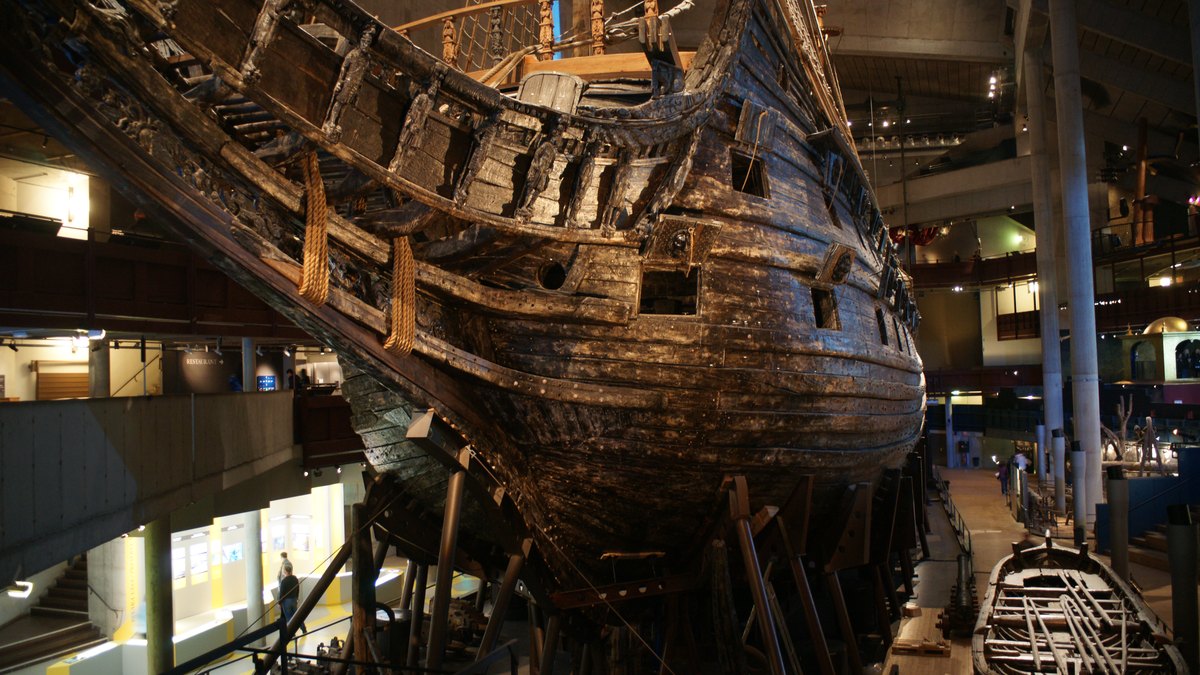
The historical precedent for such failures is the Swedish warship Vasa, which foundered in 1628 due to a top-heavy design. While the circumstances of the Dolce Vento differ, the physical principles remain the same: luxury does not compensate for a lack of hydrostatic stability.
What has the Chamber of Naval Architects recommended?
The TMMOB Chamber of Naval Architects issued a technical evaluation on September 4, 2025, describing the event as a serious incident for the maritime sector. The Chamber emphasized that stability calculations must strictly adhere to international regulations and that sea trials should include rigorous testing of buoyancy and center of gravity. They proposed mandatory classification for yachts of specific sizes, a requirement that design and stability calculations be signed by certified naval architects, and the implementation of independent oversight during launches and initial sea trials. The organization also announced the formation of a commission to investigate the matter, framing the incident not as an isolated shipyard failure but as a systemic issue requiring tighter regulatory control.
Notes and Sources
- İHA, "Zonguldak'ta lüks yat denize indikten 15 dakika sonra battı" (2025); 7deniz Haber, Med Yılmaz Shipyard incident report. ↩
- Deniz Bülten, "Tersaneye çekilen yat bilirkişiler tarafından incelenecek" (2025); recovery report and inspection status. ↩
- Metacentric height (GM) definitions based on the IMO Intact Stability Code (MSC.267(85)). ↩
- İmza Gazetesi, "Zonguldak Ereğli'de lüks yatın batış nedeni belli oldu" (2025); industry reports on design constraints. ↩
- TMMOB Chamber of Naval Architects press release, "Technical Evaluation and Recommendations Regarding the Yacht that Sank in Zonguldak" (2025). ↩