When 204 patients scheduled for MRI scans at the neuroradiology department of Zurich University Hospital between October 2024 and June 2025 had an intravenous line placed in their arm, they were asked the same question four times: on a scale from zero to ten, how bad is your pain? Depending on the room they entered, patients heard Mozart playing over the speakers, a song of their own choosing, relaxation music, or absolute silence.
The results were published on October 9, 2026, in the journal Frontiers in Pain Research.1 The intervention that most successfully reduced pain was the patient's own choice of music, whereas music specifically composed for relaxation proved indistinguishable from silence.
- Patients' self-selected musical choices ranged from AC/DC and Adele to a Swiss accordion quartet.
- The pain-relieving effect of music materialized moments after the procedure and was initially weak at the exact second the needle punctured the skin.
- Mozart's sonata only proved effective in specific patient subgroups, feeding into a debate spanning over three decades regarding the "Mozart effect."
- The trial lacked true randomized controlled design, meaning the results must be interpreted within specific methodological boundaries.
How did researchers test four different groups undergoing intravenous cannulation?
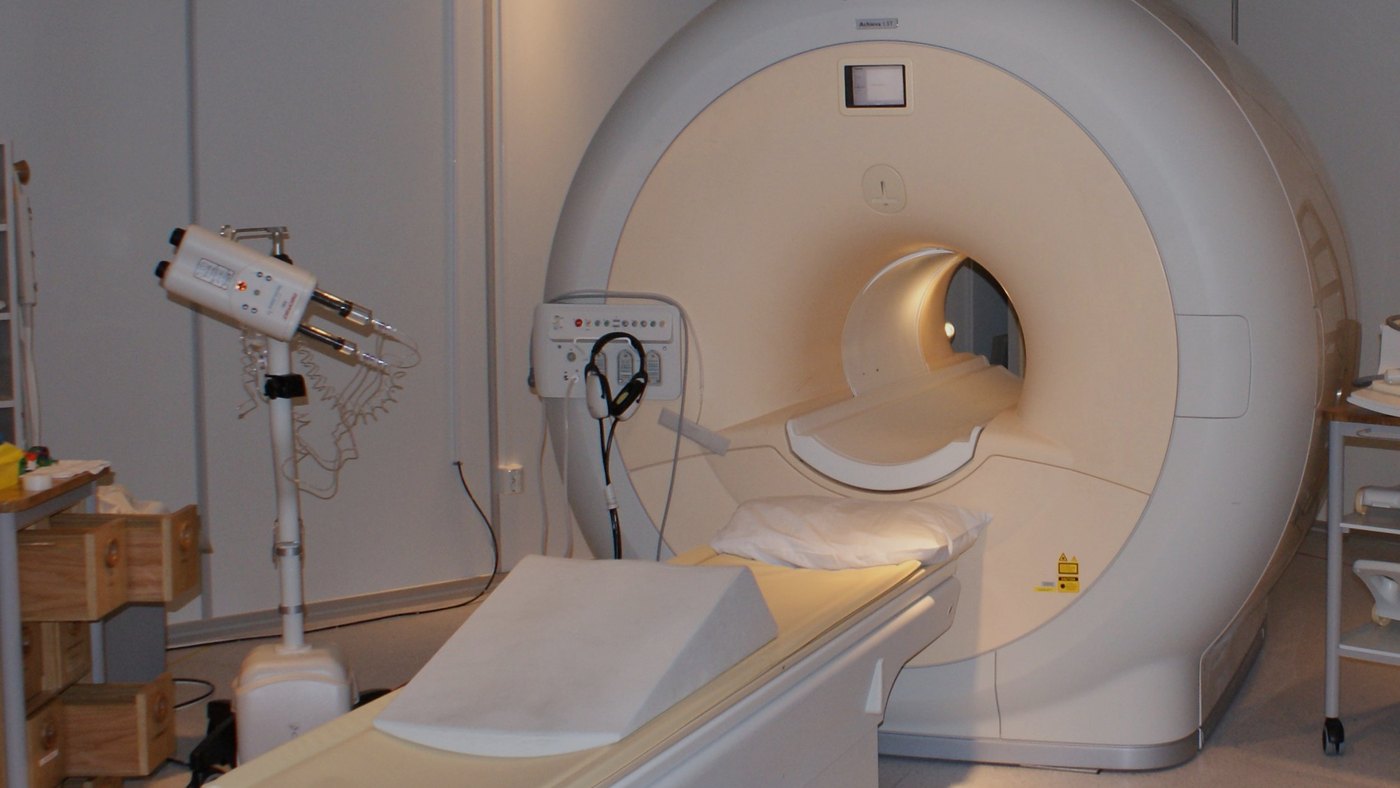
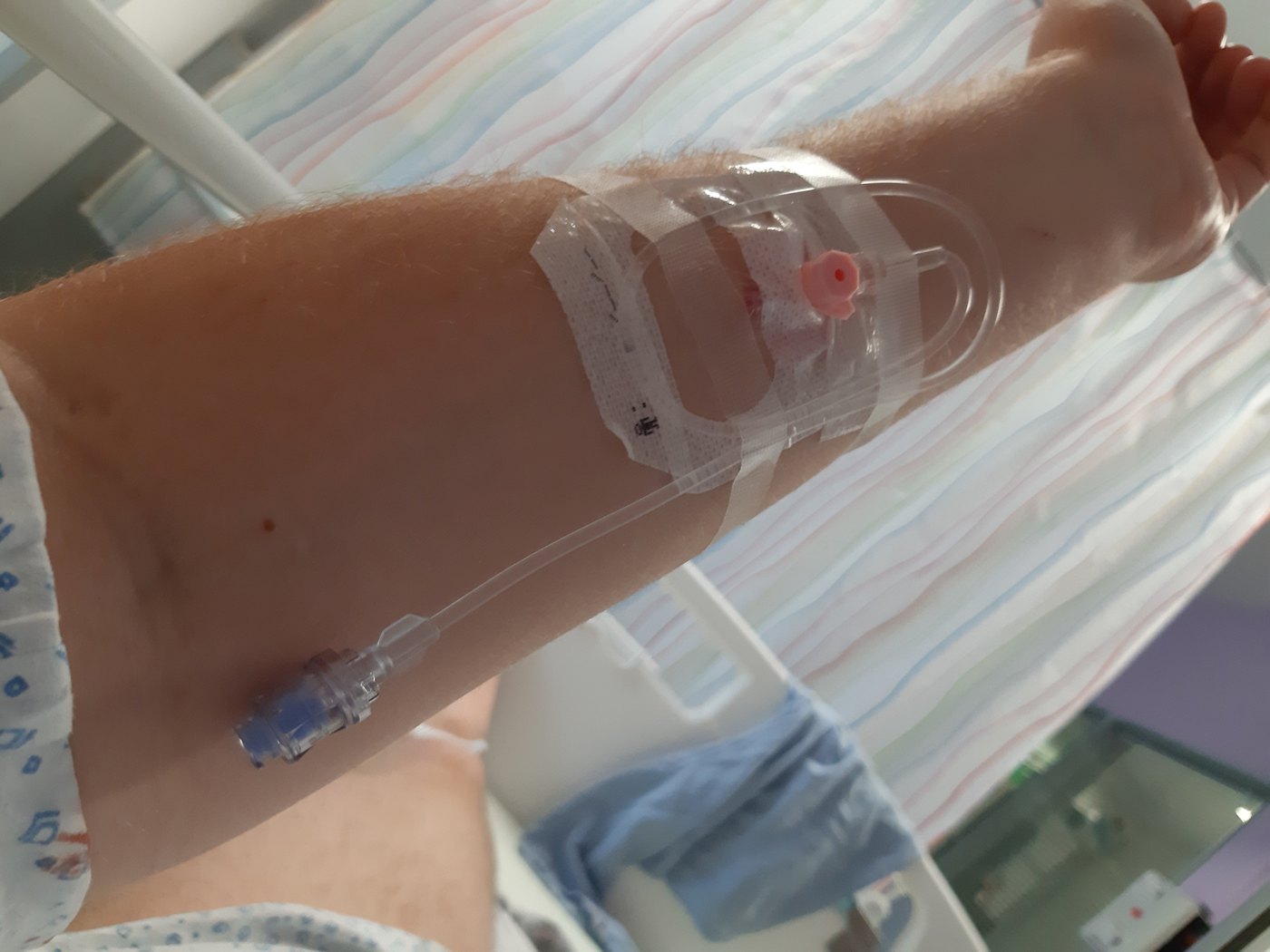
All patients were outpatients scheduled for non-urgent brain, spine, or head-and-neck MRI scans. Because the imaging procedure required contrast media to enhance clarity, a cannula needed to be inserted into their arm. A cannula consists of a flexible plastic tube placed inside the vein, threaded via a needle that is immediately withdrawn. Out of 223 individuals initially enrolled, 19 dropped out due to technical or personal reasons. The remaining 204 participants ranged in age from 17 to 83, comprising 107 women and 97 men.1
The first group listened to the first movement of Mozart's Sonata for Two Pianos in D major, KV 448, performed by Alfred Brendel and Walter Klien. The second group listened to a track they had personally written down on their study intake form. The third group listened to Peter Uwe Piotter's relaxation track "Quelle des Ich Bin," while the fourth group remained in silence. The music was streamed via speakers from a computer outside the room, meaning it was already playing when the patient walked in.
Pain levels were measured using a color-coded visual scale where zero meant "no pain" and ten meant "the worst pain imaginable." The baseline measurement took place three to ten minutes before entering the room. Once the patient lay on the MRI table, one of five technicians inserted the needle and asked the pain question three additional times: immediately upon needle insertion, approximately 30 seconds later, and two minutes later. Intravenous access was established via the inner elbow in 196 of the 204 patients, and only a single patient required a second needle attempt.1
What songs did patients choose for their MRI appointments?
The musical selections of the 51 participants who chose their own tracks are cataloged individually in the second table of the published study. Michael Jackson's "Bad" and "Smooth Criminal," AC/DC's "Hells Bells," Tool's "Pneuma," and the Dave Brubeck Quartet's "Take Five" all made the list. Two patients selected Adele's "Someone Like You," and two chose Robert Miles's "Children." One participant requested Daler Mehndi's "Tunak Tunak Tun," while another opted for the traditional Swiss accordion folk ensemble Schwyzerörgeliquartett Stockhorn. Two patients even listed Mozart as their favorite artist, with one choosing the Lacrimosa and the other Eine kleine Nachtmusik.1
There was no unifying musical genre or tempo shared across the playlist; every track was chosen entirely by the individual patient.
When did the pain-reducing effect of music become most noticeable?
When analyzing all patients collectively, only the group listening to their self-selected music diverged significantly from the silent control group. Thirty seconds after the needle insertion, reported pain levels in this group were lower, and by the two-minute mark, the difference became even more pronounced. At the exact moment of the needle puncture, however, there was no statistically significant difference between the groups.1
Seventy-one patients reported experiencing pre-existing pain before measurements began. To qualify for this subgroup, their pain had to have lasted for at least 48 hours without relief while lying down. When researchers isolated these patients, the data shifted. Those listening to their own music reported less pain than the silent group across all three measurement intervals, including the moment of needle insertion. Among the 15 patients who listened to Mozart, pain was lower than the silent group at the two-minute mark, though the difference at the 30-second mark remained just above the threshold of statistical significance. Relaxation music failed to differentiate itself from silence in either analytical model.
Because the study reports statistical significance outcomes rather than absolute mean pain scores, the exact magnitude of the difference on the ten-point scale—whether half a point or two points—cannot be directly read from the text.
The authors attribute the delayed onset of musical analgesia to several factors. At the exact second the needle enters the skin, a patient's attention is entirely focused on their arm. It takes several minutes for music to activate emotion-related neural networks in the brain and trigger the body's endogenous pain-suppression pathways. The failure of relaxation music is explained more simply: the chosen track was quiet and monotonous, meaning patients likely barely noticed it, whereas Mozart's sonata was fast-paced and dynamic.1
How has the Mozart effect been debated since 1993?
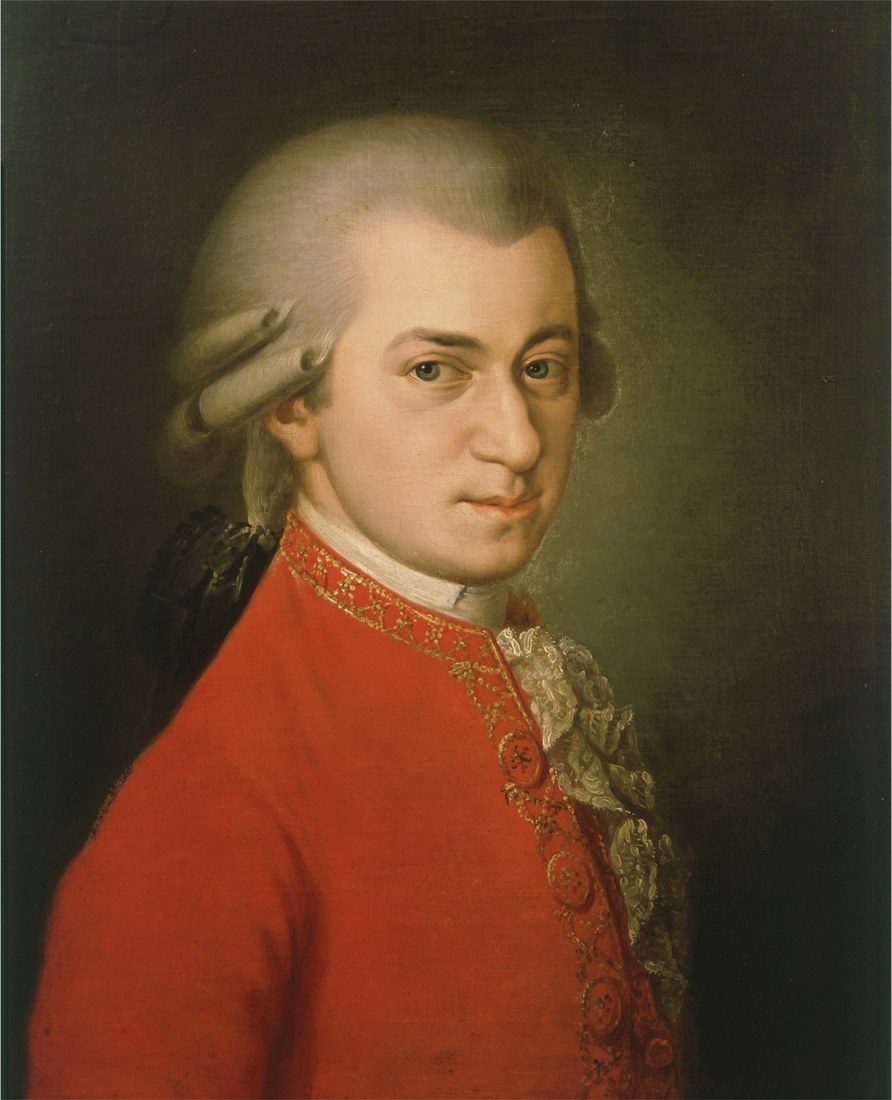
The Zurich research team's choice of Mozart's KV 448 sonata stems from a specific scientific history. In 1993, Frances Rauscher, Gordon Shaw, and Katherine Ky published a brief letter in the journal Nature demonstrating that college students who listened to the first movement of this sonata scored higher on subsequent spatial reasoning tests, with the enhancement lasting up to 15 minutes.2 This finding coined the term the "Mozart effect."
In subsequent years, these results were scrutinized repeatedly. In 2010, Jakob Pietschnig and colleagues at the University of Vienna conducted a meta-analysis combining 39 studies involving a total of 3,109 participants. While individuals who listened to Mozart outperformed those in silent conditions, participants who listened to any other type of auditory stimulus showed an identical performance advantage. Furthermore, studies conducted by Rauscher's original team yielded effect sizes significantly larger than those produced by independent labs.3 In 2023, Pietschnig analyzed eight studies encompassing 207 patients to evaluate the sonata's impact on epilepsy and other medical conditions, finding no statistically significant clinical benefit.4
The findings from Zurich do not point to any unique, Mozart-specific healing power either. The sonata only proved effective in the small subgroup of 15 patients who had pre-existing pain. The authors themselves acknowledge that this specific finding requires validation through larger trials.
What are the methodological limitations of the Zurich study?
Patients were not assigned to experimental groups via true randomization. Instead, assignments followed the sequence of MRI appointment arrivals: the first patient was assigned to Mozart, the second to their own music, the third to relaxation music, and the fourth to silence, after which the sequence repeated. The authors explicitly note that this approach does not constitute true randomization. Additionally, the medical technician who assessed the patient's pain was also the person inserting the needle and could hear the music playing in the room, meaning they were not blinded to the study conditions. Finally, because the needles were fine and the pain was brief, it remains unknown whether music would have a similar buffering effect against more severe or prolonged pain.1
Parallel evidence supports these general conclusions. In 2024, a research team from Erasmus University in Rotterdam asked 548 healthy volunteers to submerge their hands in ice-cold water (approximately 2 degrees Celsius) and measured how long they could endure it up to 180 seconds. Participants listened to urban, electronic, classical, rock, or pop music, but genre-specific differences did not emerge. The only factor that extended pain tolerance was whether the musical style matched the genre the participant had stated they liked best prior to the experiment. Music that participants merely anticipated would help with pain showed no measurable benefit.5
Concluding their paper, the Zurich researchers recommend playing music during short, painful procedures like pre-MRI intravenous cannulation. Their primary recommendation is allowing patients to choose their own music, while suggesting Mozart's KV 448 sonata as a secondary option for patients with pre-existing pain. The team emphasizes that these recommendations must be validated through larger randomized controlled trials, as their current evidence rests on a single study of 204 participants.
Notes and Sources
- Andrei Cristinel Dragnea, Lars Michels, Till Fellner, Argyro Christou, Giovanna Brandi, Giulio Bicciatto, Riccardo Ludovichetti, Thomas Frauenfelder, Zsolt Kulcsar, Meritxell Garcia Alzamora (2026). "Effect of music on short-term pain perception during peripheral intravenous cannulation". Frontiers in Pain Research 7: 1923943. DOI: 10.3389/fpain.2026.1923943 ↩
- Frances H. Rauscher, Gordon L. Shaw, Katherine N. Ky (1993). "Music and spatial task performance". Nature 365: 611. DOI: 10.1038/365611a0 ↩
- Jakob Pietschnig, Martin Voracek, Anton K. Formann (2010). "Mozart effect–Shmozart effect: A meta-analysis". Intelligence 38(3): 314-323. DOI: 10.1016/j.intell.2010.03.001 ↩
- Sandra Oberleiter, Jakob Pietschnig (2023). "Unfounded authority, underpowered studies, and non-transparent reporting perpetuate the Mozart effect myth: a multiverse meta-analysis". Scientific Reports 13: 3175. DOI: 10.1038/s41598-023-30206-w ↩
- Emy S. Van der Valk Bouman, Antonia S. Becker, Julian Schaap et al. (2024). "The impact of different music genres on pain tolerance: emphasizing the significance of individual music genre preferences". Scientific Reports 14: 21798. DOI: 10.1038/s41598-024-72882-2 ↩