When the term "Iron Deficiency" surged rapidly into the seventh position on our Trends page, the underlying metrics were clear: a peak ranking of 7, approximately 5,000 searches, and an update timestamp of 08.11. While this figure alone does not constitute an epidemiological outbreak, it demonstrates that a large segment of the population is grappling with the exact same health question at the same time.
Our analysis of the trend data revealed that people most frequently search for this term alongside complaints of "fatigue," "hair loss," and "dizziness."
The most critical distinction lies in the difference between iron deficiency and iron deficiency anemia, as these are not interchangeable definitions. Iron stores can become depleted while hemoglobin levels remain completely normal, or both markers can drop simultaneously. Clinical pathways always begin with this vital differentiation, which fundamentally alters the entire treatment process from the outset.
- The two specific tests used to differentiate iron deficiency from anemia.
- Which symptom combinations mean official guidelines advise against delaying a test.
- Why iron supplementation requires clinical monitoring rather than prolonged self-treatment models.
- How to properly interpret today's trend signals including ranking, peak, and search volume.
What are the two essential blood tests for iron deficiency?
According to the 2024 update from the World Health Organization, anemia continues to carry a heavy burden for global public health. On a worldwide scale, approximately 29.9 percent of non-pregnant women aged 15 to 49, 36.5 percent of pregnant women, and 39.8 percent of children under five live with anemia.1ยอด While iron deficiency is the most frequent cause behind this clinical picture, it is certainly not the only one.
In standard clinical practice, the first two values evaluated are ferritin and hemoglobin. If ferritin levels are low, clinicians deduce that iron stores have been depleted. If hemoglobin has dropped as well, the condition shifts toward iron deficiency anemia. Patient education materials from the American Society of Hematology outline this exact pathway, emphasizing that medical professionals must proceed through laboratory verification rather than relying on symptoms alone.2
Clinical guidelines for conditions like chronic kidney disease further underscore why ongoing monitoring of iron parameters remains necessary during management.3 Furthermore, research published in The Lancet Haematology demonstrates that dosing dynamics, such as alternate-day oral iron administration, can significantly impact iron absorption efficiency.4
Notes and Sources
- WHO - Anaemia (fact sheet, 2024 update). Global prevalence estimates and risk groups. ↩
- American Society of Hematology - Iron-Deficiency Anemia. Laboratory and underlying cause investigation approach in diagnosis. ↩
- NICE NG8 - Anaemia management in chronic kidney disease. Emphasizes why follow-up monitoring is necessary during iron treatment. ↩
- Stoffel NU et al. (2017), The Lancet Haematology. Iron absorption dynamics during alternate-day oral iron dosing. ↩
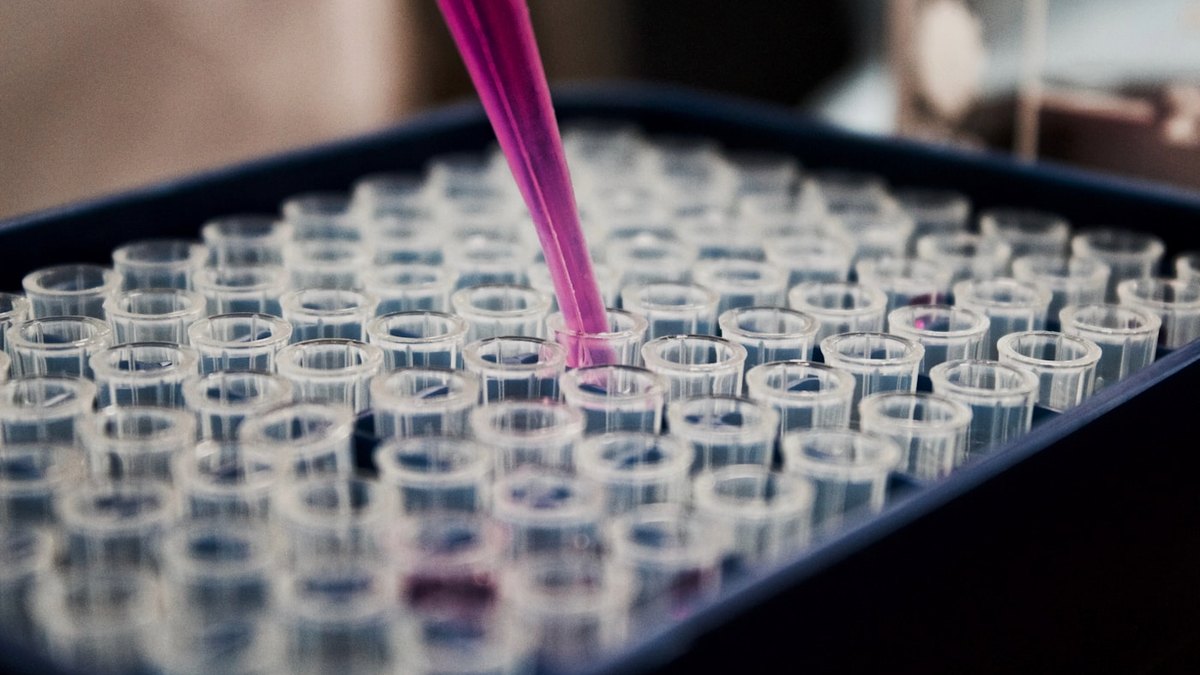
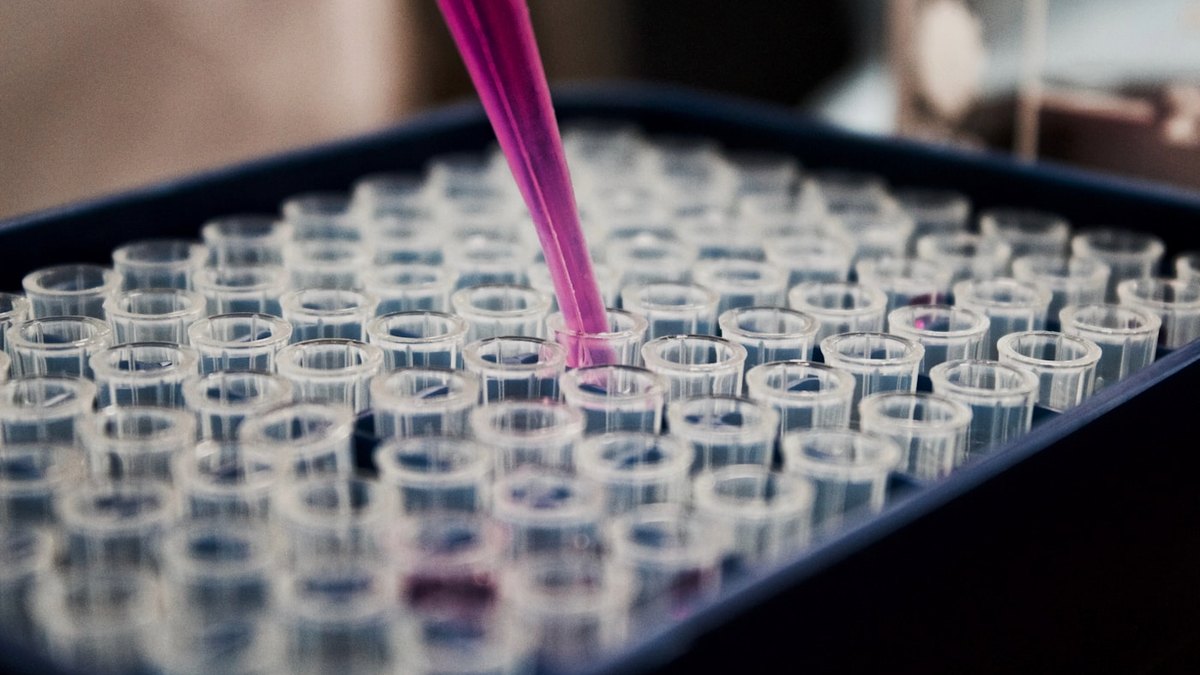
Cover: representative laboratory image (Unsplash). This content was prepared for informational purposes only and does not substitute for formal medical diagnosis and treatment decisions. If you experience shortness of breath, palpitations, fainting sensations, or pronounced fatigue during pregnancy, consult a physician promptly without delay.