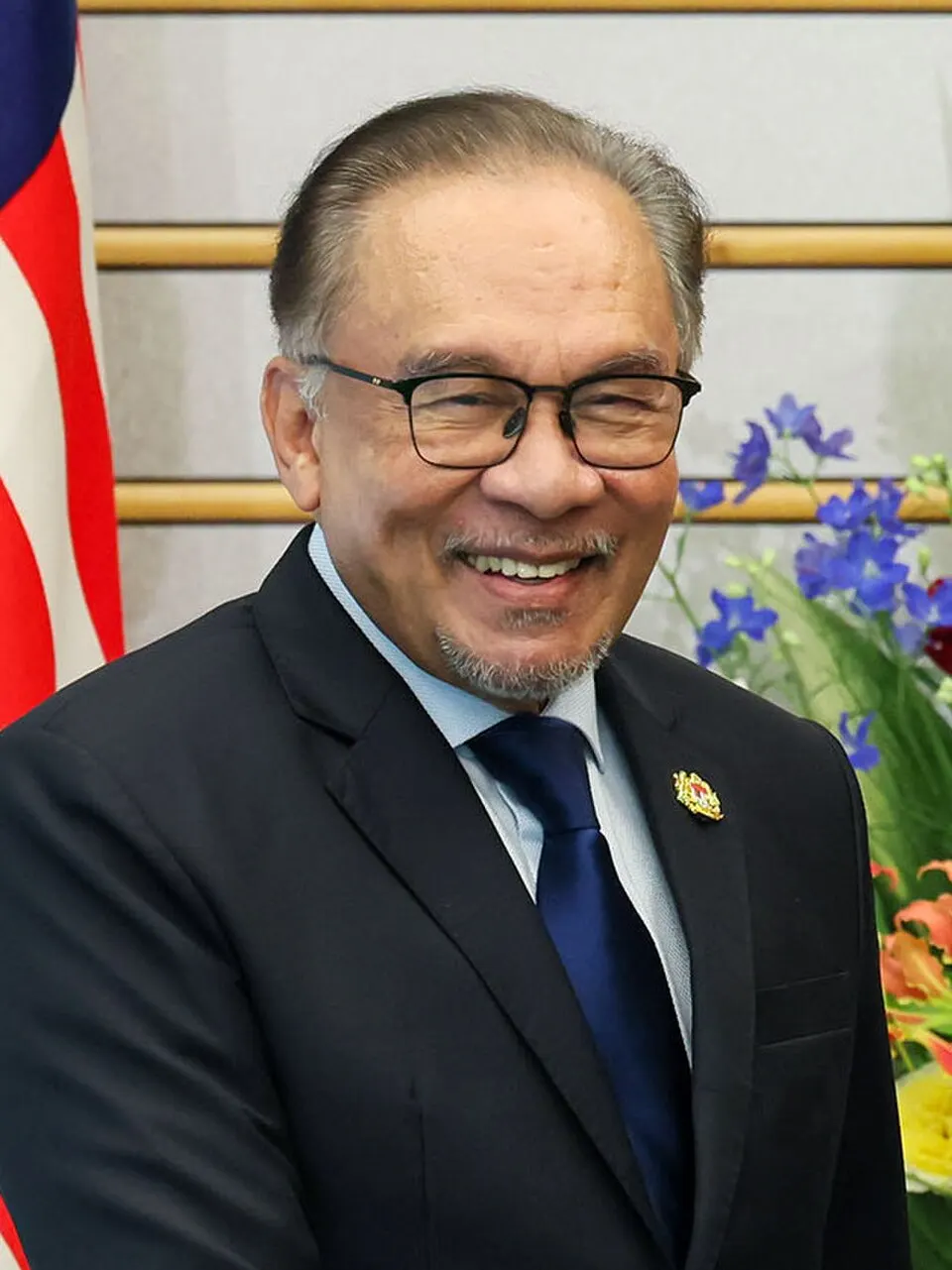
On November 24, 2022, Anwar Ibrahim was officially appointed and sworn in as the 10th Prime Minister of Malaysia by the Yang di-Pertuan Agong, Sultan Abdullah of Pahang. His inauguration followed five days of political uncertainty after the general election on November 19 resulted in a hung parliament, the first in the nation’s history. This landmark appointment signaled a new administration under Anwar Ibrahim, who secured the necessary parliamentary support to lead a government after years of maneuvering through Malaysia’s fractured political landscape.
How did the 2022 general election lead to a political stalemate?
The 2022 general election was precipitated by years of extreme political volatility, characterized by coalition switching and the collapse of two successive governments following the 2018 election. Prime Minister Ismail Sabri Yaakob, under pressure from his party, UMNO, requested the dissolution of the 14th Parliament on October 10, 2022, seeking to break the cycle of instability. However, when the ballots were cast on November 19, no single coalition achieved the absolute majority required to govern. While Pakatan Harapan held the most seats, the rise of the Perikatan Nasional coalition—described by observers as the 'Green Wave'—dramatically shifted the electoral map, leaving the Dewan Rakyat without a clear winner.
What factors influenced the unprecedented electoral turnout?
The 2022 contest was unique because it was the first election in which 18-to-20-year-olds were eligible to vote, following a constitutional amendment that lowered the voting age. Additionally, the implementation of automatic voter registration expanded the electorate by approximately six million people, a 31% increase. Despite these changes, the election saw significant disruptions; polling in the Padang Serai constituency was postponed due to the death of the Pakatan Harapan candidate, Karuppaiya Muthusamy, while inclement weather and flooding forced the suspension of voting in Baram until November 21.

The 2022 federal election marked the first time in Malaysian history that a general election resulted in a hung parliament, forcing rival factions to negotiate for power in a manner never before seen in the nation's democratic experience.
Who were the key figures affected by the election results?
The electoral outcome was catastrophic for many prominent incumbents who failed to retain their seats. The long-serving former Prime Minister Mahathir Mohamad was defeated in Langkawi, suffering the indignity of forfeiting his deposit. Other notable losses included former Finance Minister Tengku Razaleigh Hamzah, Trade Minister Azmin Ali, and Health Minister Khairy Jamaluddin. The loss of high-profile political figures across the spectrum, including the children of former leaders like Nurul Izzah Anwar and Mukhriz Mahathir, underscored the public's desire for change and the unpredictable nature of the newly expanded electorate.
Following the stalemate, the path to the premiership required complex negotiations. Anwar Ibrahim, as chairman of Pakatan Harapan, navigated a delicate series of alliances to secure the necessary numbers. He gained the support of Barisan Nasional, Gabungan Parti Sarawak, the Heritage Party, the Malaysian United Democratic Alliance, Parti Bangsa Malaysia, and several independent Members of Parliament. This broad coalition-building exercise was essential to satisfy the requirements of the Yang di-Pertuan Agong and to ensure a stable executive branch after years of leadership turnover.

The appointment of Anwar Ibrahim brought a formal end to the political crisis that had plagued Malaysia since the 'Sheraton Move' in early 2020. That movement had caused the resignation of Mahathir Mohamad and the eventual rise of Muhyiddin Yassin’s minority government under the Perikatan Nasional banner. The subsequent instability, exacerbated by the global COVID-19 pandemic, had made the return to a stable, majority-supported government a top priority for the nation's political institutions.
As the new Prime Minister, Anwar Ibrahim chose to steer the country forward, while Perikatan Nasional transitioned into the role of the official opposition. This transition marked a significant milestone, as the country had endured the collapse of two different coalition governments since 2018. The appointment of the 10th Prime Minister remains a definitive moment that highlights both the endurance of the Malaysian parliamentary system and the persistent influence of the 1MDB scandal, which continued to cast a long shadow over political parties like UMNO.

The legacy of this election is cemented by the structural changes to the electorate, specifically the inclusion of younger voters and the automated registration process. These reforms are expected to shape the trajectory of Malaysian politics for years to come. As the dust settled after the swearing-in ceremony on November 24, the political landscape shifted from one of deadlock to one of governance, albeit under a complex and diverse coalition framework.
The challenges facing the new administration remained significant, ranging from economic recovery post-pandemic to the long-term task of fostering political harmony in a fractured society. Anwar Ibrahim, long a central figure in Malaysian opposition politics, found himself in the position he had sought for decades. His tenure began with the weight of expectation from a public exhausted by years of legislative instability and electoral unpredictability.

The election saw the defeat of prominent figures including former Prime Minister Mahathir Mohamad, who lost his seat in Langkawi.
The 2022 election was the first in Malaysia to include 18-to-20-year-olds following a constitutional amendment that significantly expanded the voting population.
Watch: What happened in the 2022 Malaysian General Election? | MS Explains
From the Mothership channel.
Sources and further reading: Wikipedia — 2022 Malaysian general election, Hung parliament, Leader of the Opposition, Deputy Prime Minister of Malaysia (CC BY-SA). Images: Wikimedia Commons.