A Watershed Moment for International Law
In a landmark decision that has reverberated across the globe, the International Court of Justice (ICJ) has formally ruled that Myanmar committed genocide against the Rohingya people. The verdict, delivered in The Hague, represents a rare and profound moment of justice for a community that has spent years enduring systematic violence and displacement. Judges determined that the state possessed a clear 'intent to destroy a substantial part of the Rohingya population,' a finding that establishes a critical precedent for how the international community approaches the most serious of state crimes.
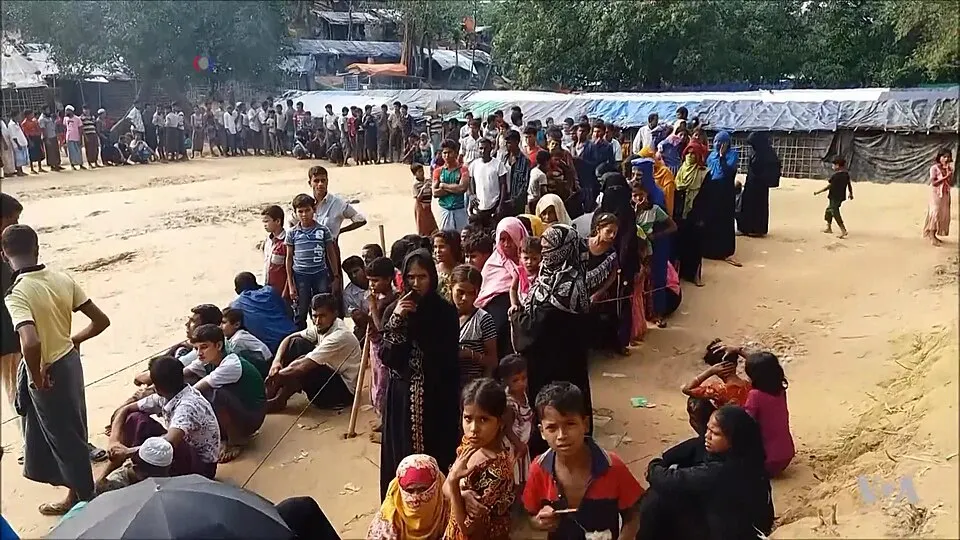
For the Rohingya people, particularly those residing in the world’s largest refugee camps in Bangladesh, the ruling offers a glimmer of vindication. Yet, as jubilant as the atmosphere was in court, there remains a deep, pervasive apprehension regarding what practical change will follow. While this ruling serves as a vital moral and legal beacon, the reality on the ground—and the question of how international governments will enforce such a judgment—remains an open, uncertain chapter.
The Long Shadow of Persecution
To understand why, you have to go back to the deep-seated origins of this crisis. While the 2017 military crackdown brought the Rohingya tragedy to international headlines, the persecution of this Muslim minority in Myanmar is not a recent development. It is an institutionalized crisis that dates back to at least the 1970s. For decades, the Rohingya have faced a recurring cycle of state-sanctioned violence and deep-rooted discrimination fueled by Buddhist nationalism. This systematic denial of rights effectively rendered them 'the world’s most persecuted minority' long before the modern era of social media documentation.
The mechanics of this state-led oppression were often carried out by the Tatmadaw, the Myanmar armed forces. The crisis reached an apex in two distinct phases: an initial military crackdown between October 2016 and January 2017, followed by a much more devastating, widespread campaign of violence in August 2017. These operations forced over a million people to flee their homes, turning them into refugees in Bangladesh, India, Thailand, and Malaysia. The tragedy was further compounded by a political climate that failed to protect these citizens. Even figures like Aung San Suu Kyi, who had been hailed globally for her role in Myanmar’s transition toward partial democracy, notably failed to condemn the pogroms during her tenure as State Counsellor from 2016 to 2021.

The ICJ ruling represents the first time a state has been found culpable of genocide by the world's top court, a milestone that carries significant implications for current and future international legal proceedings.
A Nation Defined by Cycles of Unrest
Myanmar's history has long been marred by the intersection of military iron-fisted rule and civil resistance. The 2007 'Saffron Revolution'—a period of intense economic and political protest led by Buddhist monks, students, and activists—illustrated the volatile tension between the public and a military government that controlled everything from national fuel subsidies to the fundamental rights of its citizens. The military’s reaction to these protests, marked by mass detentions, underscored the regime's long-standing preference for violence over diplomacy, a mindset that would later underpin the systemic targeting of the Rohingya.
The role of the ICJ—the principal judicial organ of the United Nations—is designed to settle legal disputes between states. Established in 1946, it operates on the consent of the nations involved. By adjudicating this case, the court has signaled that the sovereignty of a nation-state does not provide immunity for the destruction of an ethnic group. However, the court’s history shows that its rulings are often only as powerful as the political will of the nations tasked with upholding international law.
The Road Ahead: Lessons from the Past
What happens next is currently in the hands of global governments. The ruling is already being closely scrutinized for its potential impact on other ongoing international cases, including allegations of genocide elsewhere. The historical record suggests that while legal rulings are essential for establishing truth, they do not automatically ensure the safety or repatriation of victims. With the recent involvement of non-state actors like the rebel Arakan Army in documented abuses against Rohingya Muslims since 2024, the situation remains fluid and dangerous.

History teaches us that justice is rarely an immediate event; it is a long, arduous process of building documentation, consensus, and pressure. The ICJ has provided a roadmap for assessing intent in cases of genocide, but the path toward tangible change for the Rohingya will require sustained, collective action from the global community. Whether this landmark judgment serves as a true catalyst for ending the cycle of violence or remains a symbolic victory depends on how the international order navigates the precarious tension between law and geopolitics in the months and years ahead.
Sources: This report draws on coverage by The New York Times, The Guardian, TIME, Al Jazeera. The wording is our own.