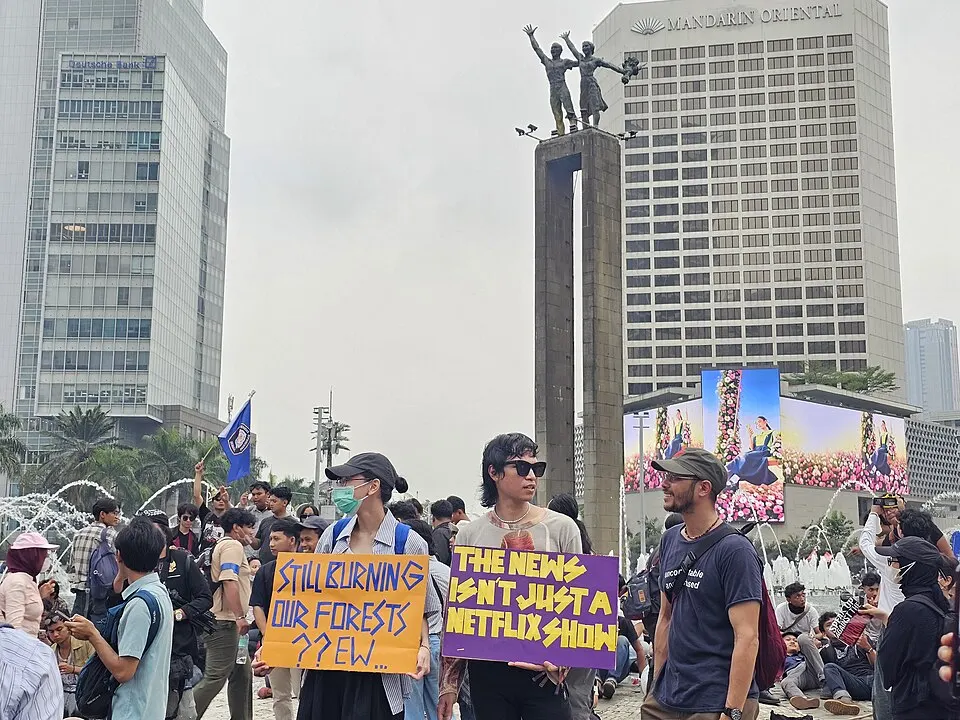
Thousands of protesters took to the streets across more than 25 European countries on Friday, November 20, 2026, in a coordinated day of action to express widespread dissatisfaction with surging living costs, stagnant wages, and government spending priorities. The demonstrations, which included participants in nations such as the United Kingdom, Spain, Germany, France, and Italy, saw young people and trade unionists join forces to advocate for greater investment in education and public welfare rather than increased military expenditures. In Italy specifically, the nation's largest trade union, the CGIL, organized a nationwide general strike that disrupted public transportation, schools, and healthcare facilities, as thousands of citizens marched in over 100 cities to demand structural economic reforms.
What are the primary demands of the protesters?
The youth-led movement, operating under the slogan “fight for our future, not their wars,” has coalesced around five core demands that protesters believe address the systemic causes of their economic insecurity. These include a halt to militarization and conscription, structural improvements to welfare and education systems, active solidarity with Palestine, the pursuit of social and climate justice, and a fundamental shift in the existing economic order. Demonstrators argue that governments are prioritizing military budgets over the immediate needs of the population, such as affordable housing and functioning public services. In Germany, protesters in cities like Berlin and Cologne expressed specific fears regarding a potential return to compulsory military service, while students in Croatia and the United Kingdom highlighted the impact of tuition fees and underfunded university systems on their long-term economic prospects.
“We are living under a government that is cutting healthcare and education, taking away our present and trying to rob us of our future,” said Laura Peritore, a 24-year-old student, according to The Guardian.
How has the strike in Italy influenced the regional protests?
The Italian mobilization served as a major pillar of the international day of action, with local organizers claiming that the high turnout demonstrated a desperate need for change. The general strike called by the CGIL union brought participants into the streets in major urban centers including Rome, Milan, Naples, Turin, and Palermo. While the union leader Maurizio Landini suggested that over one million people participated in the Italian rallies, this figure remains unverified by independent sources. The protests in Italy followed a series of smaller, often volatile demonstrations earlier this autumn, which had already prompted Prime Minister Giorgia Meloni’s administration to tighten security and authorize the deployment of army personnel alongside police forces. In Bologna, some protesters engaged in clashes with law enforcement, and participants in Milan symbolically burned cardboard models of a tanker and figures representing foreign leaders, reflecting a broader anger toward current international and domestic policies.

What has been the economic impact of recent unrest?
Beyond the immediate disruption to services caused by Friday's strikes, European nations are grappling with the long-term financial consequences of previous protest waves. According to data provided by France Assureurs and reported by Euronews, insured damage resulting from unrest in France during mid-October reached approximately €207 million. This assessment includes 5,280 claims, with the vast majority of the costs—nearly €198 million—associated with damage to business properties. In response, the French government has established a grant system for small businesses with fewer than 50 employees that sustained damage during the riots between mid-October and November 19, 2026. These businesses may apply for financial aid ranging from €1,000 to €10,000, illustrating the scale of the economic pressure facing both governments and private enterprises as a result of the ongoing social instability.
What is still unclear and what happens next?
While the scale of the demonstrations is significant, several key details remain unestablished. The exact number of total participants across the 25 nations has not been confirmed by authorities or independent auditors, and estimates from organizers often differ significantly from police reports. Furthermore, there is no official word on whether the participating European governments intend to adjust their 2027 budget priorities or reduce military spending in response to these specific demands. While some strike actions, such as those impacting air transport, were canceled for Friday in Italy, labor groups have noted that further walkouts involving airport personnel remain scheduled for Sunday in Venice and Milan. The ultimate success of the movement in forcing policy shifts remains a subject of intense political debate, with opposition leaders in countries like Italy arguing that current government budget proposals lack the necessary vision to address the generational crisis cited by students and young workers.

Sources: This report draws on coverage by The Guardian, Al Jazeera, CNN, France 24, Boston Herald, Euronews.com, BBC News, Reuters. The wording is our own.