At the UN Climate Change Conference (COP31) in Antalya, a coalition of 25 nations has formally backed the Wildlife for Climate Declaration, marking an explicit push to integrate biodiversity protection into mainstream climate policy. Campaigners and participating governments are urging international delegates to recognise that safeguarding wild animals and natural habitats is essential to curbing ecological breakdown and strengthening climate resilience.
Aligning Species Protection with Global Climate Goals
The landmark declaration, championed by organisations including the International Fund for Animal Welfare (IFAW), argues that protecting and restoring wildlife populations directly supports climate change mitigation and adaptation. Countries such as Belize have joined the group of 25 signatories, signaling growing momentum among diverse nations to place ecosystem health alongside traditional carbon-reduction targets. However, participation remains uneven; for instance, Switzerland is absent from the group of supporting states.
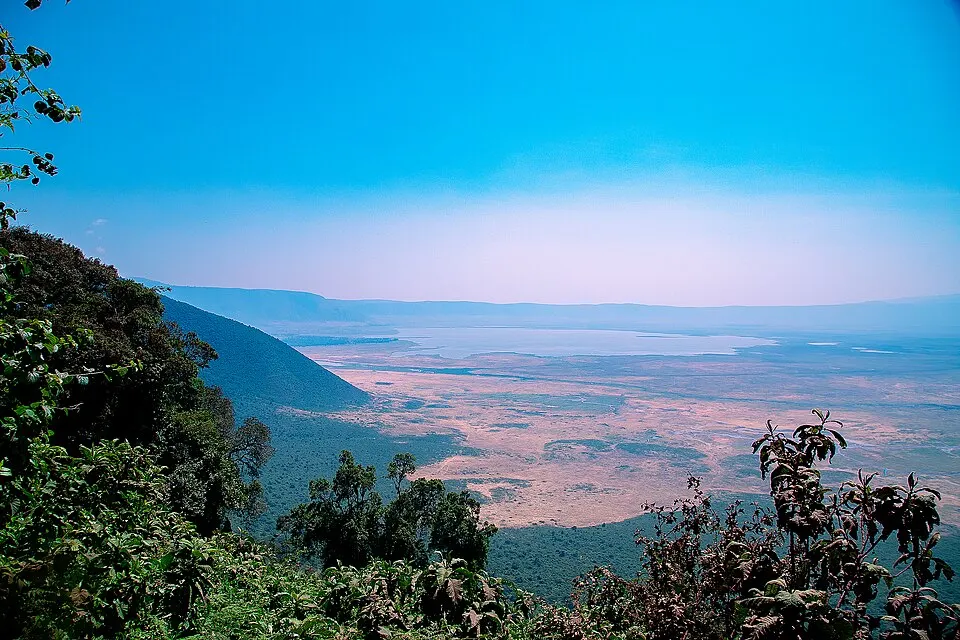
Biodiversity—the variability of life across genetic, species, and ecosystem levels—is critical to maintaining the functional integrity of planet-wide systems. Tropical forest ecosystems, which cover less than one-fifth of Earth's terrestrial surface, host roughly 50% of the world's species. By maintaining species diversity and complex ecological webs, natural systems remain better equipped to absorb environmental shocks, sequester carbon, and provide vital services to coastal and inland communities alike.

“Tropical forest ecosystems cover less than one-fifth of Earth's terrestrial area and contain about 50% of the world's species.”
Systemic Solutions Across Oceans, Forests, and Peatlands
The push for wildlife integration coincides with several nature-focused initiatives unveiled during the summit. Side events and parallel proposals have focused on scaling up sustainable ocean value chains, such as seaweed production, and deploying community-first approaches to coastal protection. In parallel, delegates launched the Peatland Breakthrough to accelerate the preservation and restoration of carbon-rich peat ecosystems worldwide, aligning agricultural and land-use strategies with long-term climate goals.
These initiatives address the interconnected nature of ecological systems. Climate change adaptation involves adjusting to current and anticipated impacts to moderate harm or capitalize on beneficial opportunities. Interventions that help natural systems cope with shifting temperatures—such as securing wildlife corridors, protecting marine species, and preventing habitat fragmentation—similarly protect human communities dependent on stable ecosystems.

Political Hurdles and the Path Forward at COP31
Despite progress on biodiversity declarations, the broader negotiations in Antalya face severe headwinds. COP31 entered its final phase with no overall agreement in sight after fossil fuels were omitted from an early draft text. Furthermore, the summit opened amid the absence of several key world leaders, complicating high-level political breakthroughs across financial and energy commitments.
Because any final consensus text at a UN Climate Change Conference requires approval from all participating parties under the UNFCCC framework, embedding nature-based mechanisms into the primary text remains a delicate negotiation. As talks conclude, the 25 signatory nations and international advocates continue to lobby for the Wildlife for Climate Declaration's core principles to be formally woven into national climate pledges (NDCs) and long-term adaptation planning.
Sources: This report draws on coverage by International Fund for Animal Welfare | IFAW, Turkish Minute, Nature World News, Down To Earth, DW.com, TRT World, Wild beim Wild, The Guardian. The wording is our own.