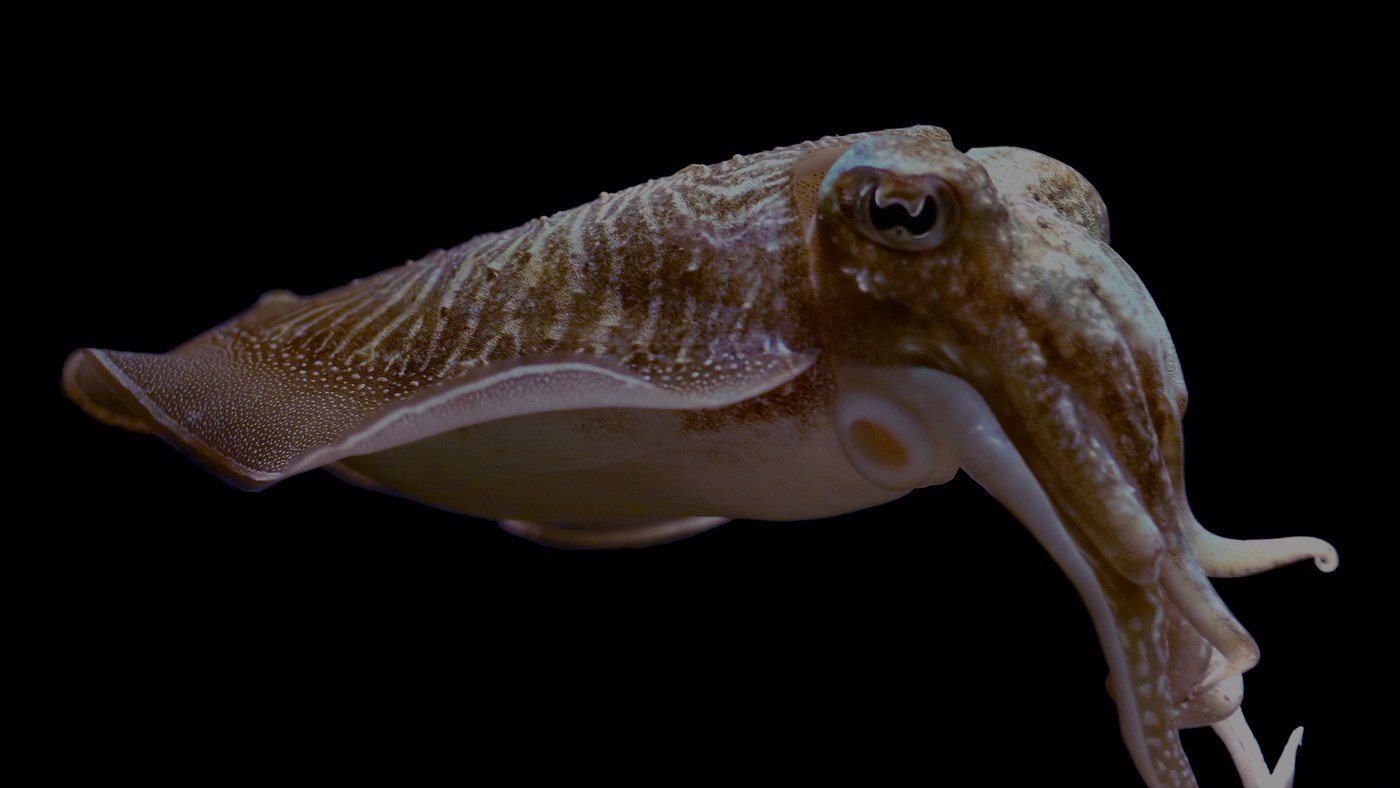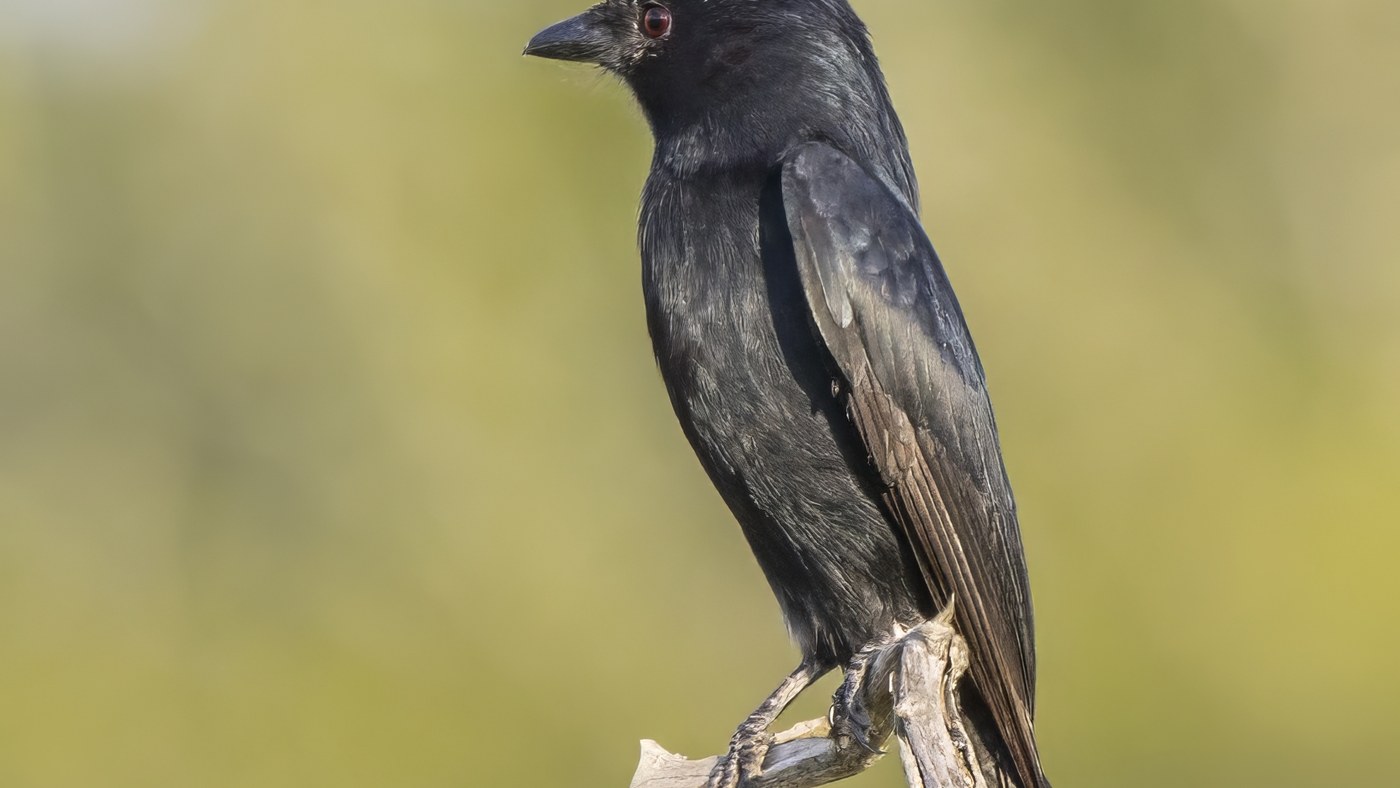
In extensive field observations conducted in Kenya, the fork-tailed drongo bird issues alarm calls to steal food captured by meerkats or other bird species. When the group flees under the assumption that a predator has arrived, the drongo collects the leftover morsel on the ground. In trials recorded by Flower's research team, this maneuver was repeated hundreds of times. The scientifically striking part is this: the drongo does not constantly repeat the same alarm, but instead mimics the calls of different species. Consequently, after a while, the target animals cannot adapt to a single sound and ignore it.1
A 2014 study by Tom Flower and his team demonstrates that this bird uses deception as a flexible tactic. The researchers recorded 688 instances of kleptoparasitism. The drongo selects its own alarm or another species' alarm to startle the target animal, and individually notes the trials where it successfully retrieved the food despite the false call. Once a signal works, it does not use the same sound forever; when the target's response threshold drops, the repertoire shifts. Here, deception is not a fixed trick, but a decision-making mechanism updated through feedback.1
An important detail in the field notes is that the drongo is not merely a mimic, but a timer. The bird mostly issues its alarm just before the predatory species begins processing and swallowing the morsel. Thus, the goal of the signal is not to create panic, but to break the window of attention. There is no calculation of milliseconds here, but rather a calculation of context: who holds what, how sheltered their position is, and which call they are more sensitive to. Tactical flexibility becomes visible precisely at this point.1
- How the drongo bird doses its false alarm and why it avoids sticking to a single pattern
- The documented example of the Photuris firefly turning a mating signal into a hunting tactic
- A shared framework on when deception works in nature
How do animals hunt using mimicry signals?
James Lloyd's classic research uncovered another layer of deception in Photuris fireflies. Photuris females mimic the response flashes of Photinus species females. When a male Photinus approaches, mistaking this signal for a mating call, it can be captured and consumed. Lloyd defined this behavior as "aggressive mimicry" in 1965. In other words, the purpose of the signal is not to find a mate, but to draw prey closer.2
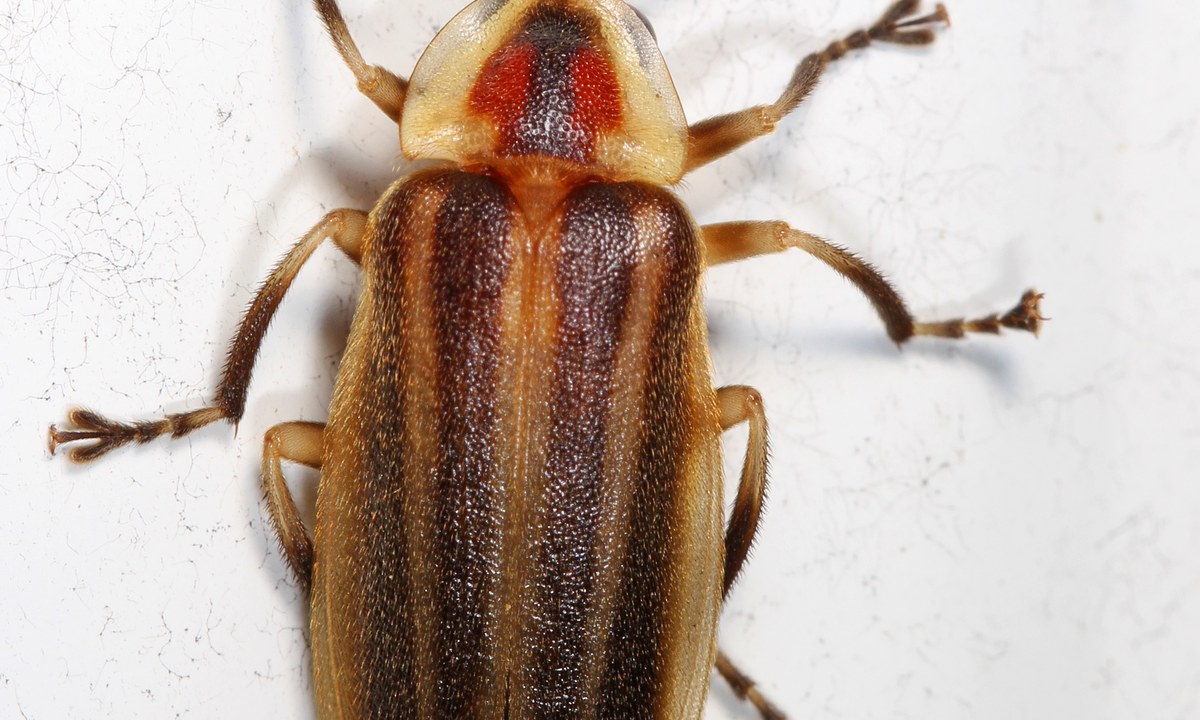
The biological payoff of deception in this case extends beyond mere calories. Subsequent studies demonstrated that Photuris females also acquire defensive chemicals from some of the fireflies they consume. Thus, the mimicked signal yields both nutrition and chemical protection. One reason this behavior is so persistent may be this dual reward. A brief flash of light transforms into a misread sexual sign from the prey's perspective, and a risk-reduced hunting plan from the predator's perspective.3
How do cleaner fish challenge relationships of trust?
In coral reefs, a mutualistic relationship exists between the cleaner wrasse and larger fish. The cleaner fish removes parasites and dead tissue from the client's skin, while the client remains stationary without attacking. The delicate aspect of the system is this: the cleaner fish occasionally chooses to bite a piece of the client's mucous tissue instead of parasites because this tissue is more nutritious. When the client notices this, it either chases the cleaner away or abandons the cleaning station. Therefore, the cleaner's deception is not random, but a move adjusted according to the cost of the relationship.4
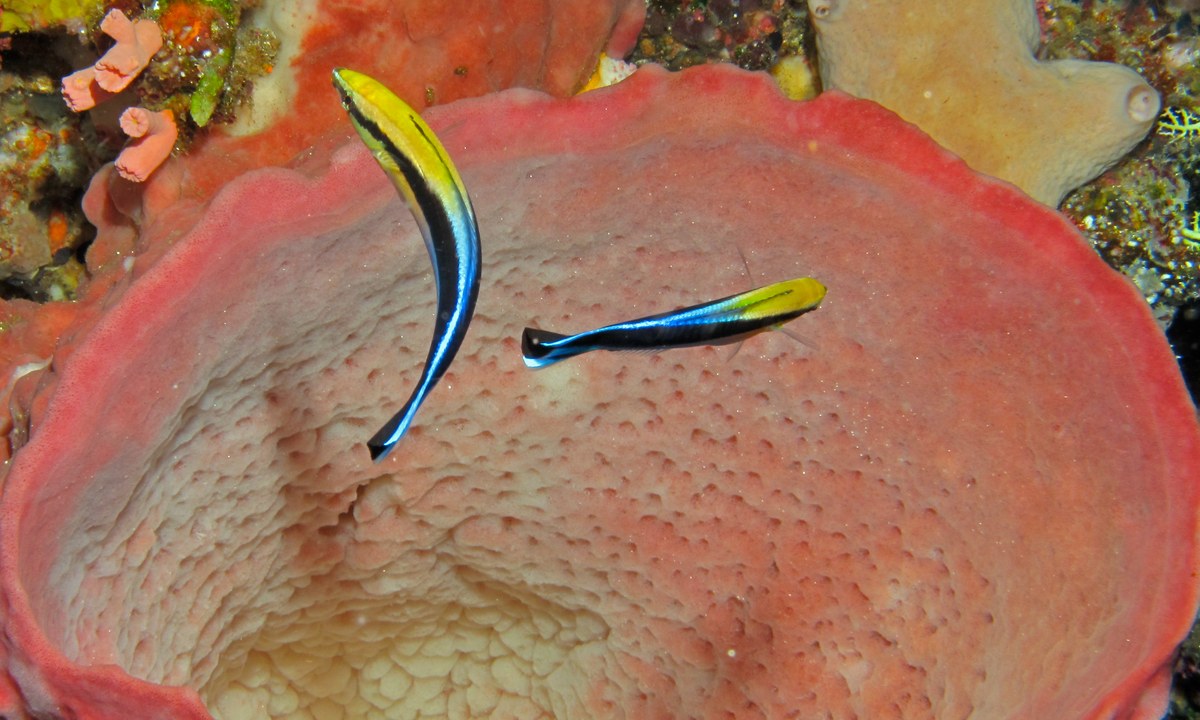
Redouan Bshary and his colleagues have long studied this system through the lens of game theory. A 2014 experiment revealed that cleaner wrasses with elevated cortisol levels shifted more frequently toward cheating behavior. Furthermore, these fish can alter their tactics based on the client's anticipated reaction. In some instances, they attempt to repair the relationship through a tactile calming gesture after deceiving the client. This dynamic indicates that deception is a strategy managed not just during the moment of attack, but across the before and after as well.5
When does deception succeed in nature?
These three examples converge on the same point. Deception remains efficient only as long as the recipient continues to trust the signal. If trust is entirely depleted, the strategy collapses as well. If the drongo constantly uses the same sound, target animals stop reacting. If the cleaner fish cheats repeatedly, the client does not return. Photuris mimicry only works as long as males still mistake that light for a mating call. Across all these systems, the payoff is limited by the credibility of the signal.
From the standpoint of behavioral ecology, this balance is crucial because it examines deception through a functional lens rather than a moral one. The point of curiosity here is not which species possesses higher intelligence, but rather which environment allows which signal to endure and for how long.
Consequently, scientific records avoid accumulating anecdotes; instead, they maintain measurements such as repetition counts, reaction times, and the target's adaptive behavior. The 688 attempts in the drongo study provide a data density rarely seen in field biology, strongly supporting the idea that deception functions as a genuinely flexible strategy.1
Notes and Sources
- Flower, T. P., Gribble, M., Ridley, A. R. (2014). "Deception by Flexible Alarm Mimicry in an African Bird." Science 344(6183): 513-516. DOI: 10.1126/science.1249723. ↩
- Lloyd, J. E. (1965). "Aggressive Mimicry in Photuris: Firefly Femmes Fatales." Science 149(3684): 653-654. DOI: 10.1126/science.149.3684.653. ↩
- Eisner, T., Goetz, M. A., Hill, D. E., Smedley, S. R., Meinwald, J. (1997). "Firefly 'femmes fatales' acquire defensive steroids from their firefly prey." Proceedings of the National Academy of Sciences 94(18): 9723-9728. DOI: 10.1073/pnas.94.18.9723. ↩
- Bshary, R., Grutter, A. S. (2002). "Asymmetric cheating opportunities and partner control in a cleaner fish mutualism." Animal Behaviour 63(3): 547-555. DOI: 10.1006/anbe.2001.1937. ↩
- Soares, M. C., Cardoso, S. C., Grutter, A. S., Oliveira, R. F., Bshary, R. (2014). "Cortisol mediates cleaner wrasse switch from cooperation to cheating and tactical deception." Hormones and Behavior 66(2): 346-350. DOI: 10.1016/j.yhbeh.2014.06.010. ↩
This content is for informational purposes; it summarizes nature observations using scientific sources and does not constitute medical or legal advice.