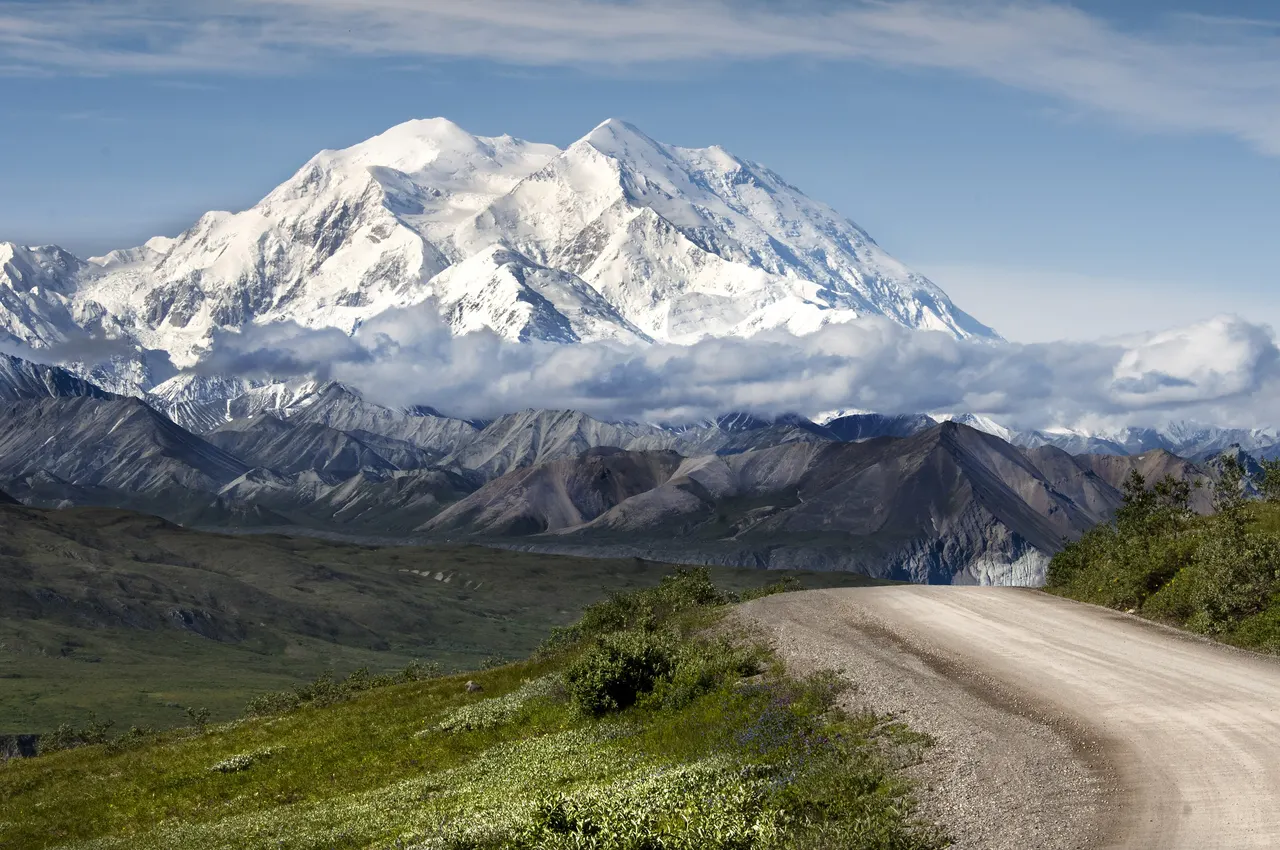
A silent frost settles over the vast expanses of Interior Alaska, where the northern air carries the sharp, clean scent of spruce needle and ancient ice. Beneath the massive, jagged spine of the Alaska Range, the land stretches out into a vast tapestry of deciduous taiga, open tundra, and towering glaciers. Here, under the shadow of Denali—the highest mountain in North America—the wilderness feels less like a destination and more like a living, breathing entity. For six long years, the deepest stretches of this terrain lay silent and sequestered, hidden behind a severed artery of gravel and rock.
The Reopening of a Silent Frontier
Spanning 6,045,153 acres—an area larger than the state of New Hampshire—Denali National Park and Preserve represents one of the planet's last true strongholds of unyielding wildlands. Yet despite its monumental scale, access to its heart hinges on a single lifeline: the 92-mile Denali National Park Road. Six years ago, a massive landslide at Pretty Rocks sheared through the mountainside, cutting off the back half of the park and leaving its remotest backcountry entirely isolated from vehicle transit.
Now, a historic turning point has arrived. With the completion of the $230 million Pretty Rocks Bridge, the full 92-mile stretch of road and its wildest country are set to reopen for the 2027 season. The bridge re-anchors the pathway into the park’s deep interior, opening a corridor that had been effectively erased for over half a decade. For those who dream of stepping off the grid, the restoration of this route means that the distant reaches of Kantishna and the surrounding wilderness are finally back within human reach.
Into the Untamed Heart of Alaska
To travel through Denali’s backcountry is to enter an environment unmodified by the heavy hand of modern civilization. The park’s geography shifts dramatically as you move inward: low-elevation forests give way to sweeping mid-elevation tundra, which eventually yields to the permanent snow fields, bare rock, and massive ice sheets of the high peaks, including the expansive Kahiltna Glacier. It is a landscape that commands absolute reverence, drawing global fascination from millions—evidenced by the millions who watch outdoor enthusiasts attempt solo bushcraft camping and foraging in the Alaskan bush on platforms like YouTube, where one viral chronicle garnered 79.5 million views.

"To stand in the quiet expanse of Denali's interior is to experience a world unchanged, where the land dictates the terms of human presence."
Traversing all 92 miles of the park road offers an immersive journey through this ecological cross-section. Out in the true backcountry, there are no manicured boardwalks or modern conveniences. The earth beneath your boots is a mixture of spongy moss, alpine scrub, and gravel riverbeds. Whether taking in the grand scale of the 600-mile-long Alaska Range or simply watching the mist rise off a glacial stream, the sheer magnitude of the space instills a profound sense of solitude.
Navigating the Wild: Practical Steps for the Journey
Reaching this newly reopened wilderness requires careful foresight. Bookings for the 2027 season open on December 1, with the iconic Kantishna buses slated to return on June 8. While the brief summer season brings lush greenery and long daylight hours ideal for exploring the tundra, the park remains a year-round landscape of adventure. Winter visitors experience a starkly different, frozen realm defined by dog sledding, cross-country skiing, and snowmobiling, supported by park operations that remain active straight through the cold months.
Preparing for an expedition into Denali’s interior means respecting the elements. Travelers heading into the backcountry must carry gear suited for rapidly changing alpine weather, proper navigation tools, and robust supplies for off-grid survival. Because human impacts on the earth's remaining wildlands are rapidly increasing worldwide, visiting Denali demands a commitment to Leave No Trace principles, ensuring that this pristine environment remains untarnished for generations to come.

Why the Remote Edges Matter
As true wilderness becomes increasingly scarce across the globe, places like Denali’s backcountry serve as vital sanctuaries for both wildlife and the human spirit. The long closure of the park road was a stark reminder of nature's power to alter human plans in an instant, but the return of access marks a rare moment of restoration. Standing in the quiet shadow of North America's highest peak, far beyond the reach of cellular signals or city lights, one finds a profound perspective that only the earth's wild places can provide.
Sources: This report draws on coverage by Outside, Outside Magazine, Travel Alaska, deeparrival.com, EIN Presswire. The wording is our own.