A sudden, cool ridge draft sweeps across the exposed stone ledge, carrying the crisp scent of damp pine needles and ancient earth. Below, the silver ribbon of the Connecticut River winds lazily through the valley floor, far removed from the hush of the summit tree line. Standing high above the tree canopy on a sun-dappled outcrop, you hear only the faint rustle of dry leaves and the sharp call of a hawk catching a thermal. There are no bustling crowds here—just miles of rolling forest canopy and the profound, untamed quiet of an East Coast wilderness hiding in plain sight.
An Anomalous Spine in the Pioneer Valley
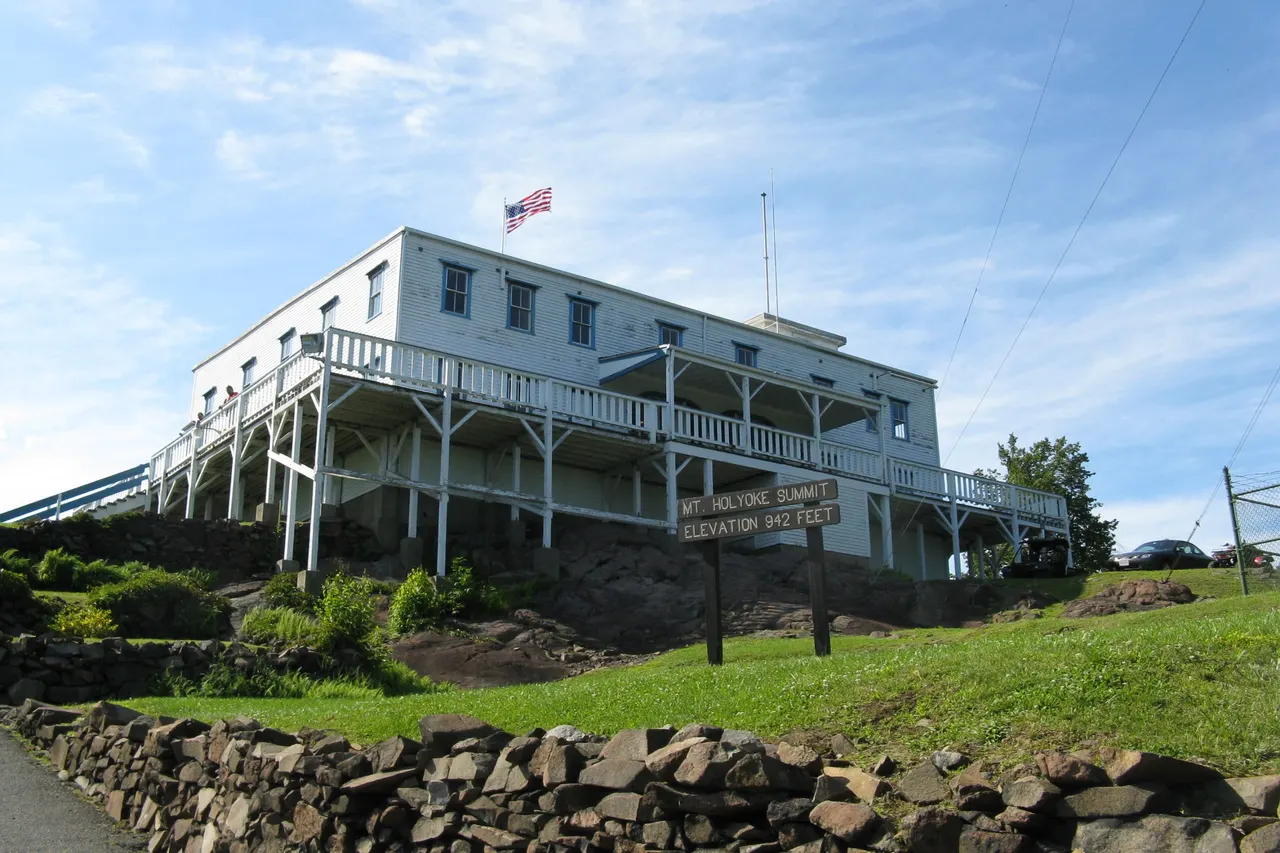
Spanning 3,000 acres in western Massachusetts, Mount Holyoke Range State Park protects a remarkable geological anomaly. While most of North America's Appalachian subranges run north to south, the Holyoke Range cuts a dramatic east-west swath across the Connecticut River Valley. Formed from hard traprock, this linear crest is part of the broader Metacomet Ridge, which reaches all the way from Long Island Sound up toward the Vermont border. Adjoining the 400-plus-acre Joseph Allen Skinner State Park—home to Mount Holyoke itself and the historic 1851 Prospect House (also known as the Summit House) in the town of Hadley—the range preserves an extraordinary landscape of high ledges, rare plant communities, and distinct microclimate ecosystems.
Despite its rich heritage and proximity to busy commercial corridors along Route 9, much of the Holyoke Range remains surprisingly secluded. While curious web audiences spend hours watching viral outdoor sagas like Old School Survival Camping - No Tent, No Sleeping Bag - Exploring Appalachia (which has racked up over 18.3 million views), the actual, living ridge of the Holyoke Range offers real-world outdoor enthusiasts a quiet, accessible sanctuary to disconnect without needing extreme survival gear. It is a world where nature has quietly reclaimed the high ground, leaving vast stretches of mountain forest untamed.

Shadows, Caves, and Ridge-Top Trails
To truly discover the range is to explore its network of scenic routes. More than 40 miles of trails, open year-round, crisscross the rocky terrain, leading hikers through dense hardwoods toward hidden natural landmarks like the atmospheric Horse Caves. Ascending the steep slopes, the path shifts beneath your boots from soft forest loam to exposed, weather-beaten traprock. Each rise reveals sweeping vistas over the surrounding towns and the vast Connecticut River watershed—a massive system flowing 406 miles from near the Quebec border down to Long Island Sound.
The Holyoke Range stands as a rare geographic twist, where steep traprock ledges and ancient Appalachian woods create a quiet sanctuary high above the valley floor.
Setting up an overnight camp nearby or spending a long day exploring the higher crests reveals the distinct personality of the range. As twilight settles over the trees, the valley lights flicker far below, yet up on the ridge, the night is dark, still, and cool. The unique microclimate means mist often gathers in the pockets between the peaks, insulating the forest in a calm, shadowy silence that feels miles away from modern civilization.

Planning Your Ridge-Top Escape
Because the trails are open through every season, visiting the range offers dramatically different experiences throughout the year. Autumn and late November bring crisp air and popular seasonal traditions like the local Gratitude After Gravy hikes, while spring and summer cover the ledges in lush greenery. Access to the park is straightforward via Hampshire County, with the neighboring town of Hadley providing convenient staging points near its central shopping districts and historic sites.
When preparing for an excursion into Mount Holyoke Range State Park, pack robust footwear capable of handling uneven traprock ledges, plenty of fresh water, and layers suited for sudden wind shifts along the summit crest. Whether you come for a day of rugged hiking or to spend quiet hours immersed in New England's natural heritage, this understated mountain refuge offers a rare, unforgettable glimpse into the wild heart of the Connecticut River Valley.
Sources: This report draws on coverage by Atlas Obscura, WWLP, Amherst Indy. The wording is our own.