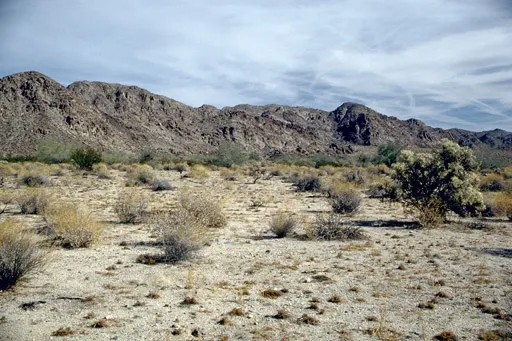
The morning haze of Los Angeles slowly dissolves in the rearview mirror, giving way to shimmering heat waves that rise from the cracked asphalt of the open desert. As the sprawling suburbs recede, the landscape transforms into a vast, sun-baked expanse of stark granite ridges, wind-sculpted dusty valleys, and an eerie, quiet stillness. Stepping out of the vehicle, the dry desert air carries the faint, unmistakable scent of mineral-rich sulfur and scorched Earth, signaling the threshold of an unexpected journey toward the Mexican border.
The Hidden Oasis of the Southern California Desert
Stretching from the crowded highways of Southern California down to the international border, this desert corridor remains remarkably overlooked by travelers who routinely flock to the state’s famous coastal routes. While online audiences harbor an insatiable appetite for overland journeys—much like the massive fascination surrounding popular off-road films like a viral 4x4 Costa Rica travel documentary that garnered over four million views—this domestic desert traverse offers its own raw, untamed allure. It is a region defined by quiet thermal waters hidden beneath arid basins, stark open terrain, and an eccentric spirit of outsider art that thrives far beyond the mainstream cultural radar.
Despite its proximity to major urban centers, this route has managed to stay relatively off the map for mainstream tourists. The desert environment demands a slower pace, scaring off those looking for quick coastal getaways. The small communities dotted along the route exist in a world apart, where roadside art installations built from salvaged materials stand sentinel against the vast sky, and natural hot springs seep silently through fault lines in the earth, offering solace to the few wanderers who know where to turn off the highway.
Four Days on the Open Road to the Border
Experiencing this landscape requires embracing the quintessential road trip ethos over a focused four-day drive. Starting in Los Angeles, the journey pushes southward through shifting terrain, winding through towns like Desert Hot Springs and into the deep basin of the Coachella Valley. Here, local life operates at a distinct desert rhythm, where community initiatives like the Coachella Valley Has Sole project—which collects gently used shoes for those in need—reflect the tight-knit, grounded nature of the valley's residents.

As the road stretches closer to the Mexican border town at the end of the line, the drive becomes an immersive exercise in desert solitude. Camping under a blanket of unpolluted stars, feeling the temperature drop drastically as night falls, and soaking in quiet, natural hot springs provide a striking contrast to the bustling cities left behind. Modern technology gently intersects with this quiet world in places like Desert Hot Springs, where the local city council recently evaluated measures like an annual $78,000 cost for police license plate cameras, yet the prevailing sensation along the open road remains one of profound, untouched expanse.
Outsider art, hidden hot springs, and stark desert landscapes form the soul of a four-day drive from Los Angeles to the border.
Traversing the Arid Frontier: A Practical Guide
Navigating this unique corner of the American Southwest requires thoughtful preparation. The shoulder seasons—late autumn through early spring—offer the most forgiving temperatures for a four-day trek, avoiding the punishing heat of peak summer. Starting the drive from Los Angeles allows for a smooth transition into the desert, but travelers should ensure their vehicle is well-equipped for long stretches between towns.
When packing for the journey, essentials include ample fresh water, sturdy footwear for navigating rocky terrain, layers of warm clothing for cold desert nights, and swimwear for spontaneous stops at natural thermal pools. Respecting the delicate desert ecosystems and the small communities that call this arid landscape home ensures that these subterranean waters and open highways remain preserved for future road trippers.

Why the Remote Desert Still Matters
In an era dominated by hyper-curated destinations and predictable travel itineraries, taking a four-day road trip to the edge of the Mexican border serves as a vital reminder of the unexpected joy found in wild, open spaces. It is a place where outsider art flourishes without pretense, and hidden hot springs offer pure relaxation beneath an empty horizon. The Southern California desert proves that true adventure does not always require crossing oceans; sometimes, it simply requires taking the less-traveled road south, driving until the city fades completely into the sand.
Sources: This report draws on coverage by The New York Times Travel, The New York Times, NBC Palm Springs. The wording is our own.