On September 17, 2026, the U.S. Food and Drug Administration (FDA) approved Fayuvi (rebisufligene etisparvovec-hopf), marking the first authorized treatment for Sanfilippo syndrome type A, or mucopolysaccharidosis type IIIA (MPS IIIA). The agency noted that no previously approved therapy had been available to alter the progression of this rare, neurodegenerative disease.
The FDA restricted the indication to pediatric patients who maintain what is described as "preserved neurodevelopmental function." Consequently, the treatment is not intended for children who have already reached advanced stages of cognitive decline. The therapy was developed by Ultragenyx Pharmaceutical, where it was previously tracked under the development code UX111.
What causes the damage in Sanfilippo syndrome type A?
Sanfilippo syndrome type A results from inherited mutations in the SGSH gene, which is responsible for encoding the enzyme sulfamidase. When this enzyme is deficient, a complex sugar chain known as heparan sulfate accumulates within the lysosomes of cells, causing severe and progressive damage, particularly to brain tissue.2
Children typically appear to develop normally in their early years. Eventually, however, they experience a regression in language, learning, and behavior, often accompanied by deteriorating motor skills and swallowing difficulties. A study of death certificates in the United Kingdom identified the average age of death for type A patients as approximately 15.2 years.3 Global estimates suggest a birth prevalence of roughly 0.5 per 100,000 live births, though this varies significantly by region.4
Diagnosis is frequently confirmed via genetic or enzyme testing only after behavioral or language delays are identified. Because symptoms can mimic those of autism spectrum disorders or attention deficits, diagnoses are often delayed. According to GeneReviews, life expectancy is unpredictable but shortened, with death frequently occurring in the second or third decade of life due to neurodegenerative disease or respiratory infections.2
What does the single-dose gene therapy deliver?
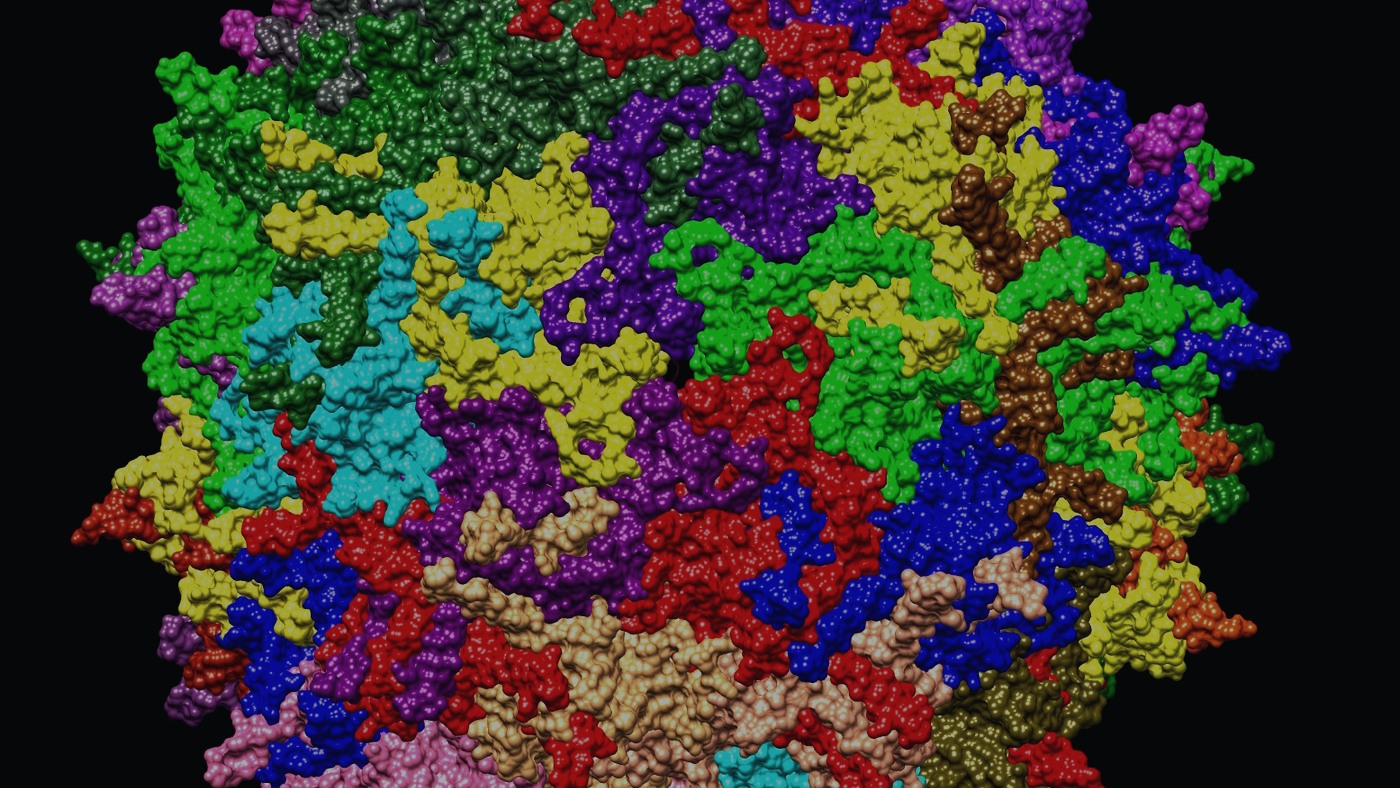
Fayuvi is administered as a single, one-time intravenous infusion. The therapy utilizes a non-pathogenic adeno-associated virus serotype 9 (AAV9) as a vector. This vector delivers a functional copy of the SGSH gene into the patient's cells, enabling them to resume production of the missing sulfamidase enzyme. According to the FDA, the goal is to facilitate the breakdown of heparan sulfate within lysosomes and reduce its systemic and neurological accumulation.1
The infusion is performed in clinical settings capable of managing potential reactions. Patients must undergo a corticosteroid regimen that begins the day before the infusion and lasts at least eight weeks. The drug's labeling includes warnings regarding the risk of thrombotic microangiopathy (TMA) and the long-term potential for tumorigenesis, which is a known risk associated with AAV-based gene therapies.1
How robust is the clinical evidence?
The FDA evaluated the safety and efficacy of the treatment based on a multicenter, open-label, single-arm pediatric study. The primary metric was the average change in cognitive scores among children aged 2 to 5 years. Treated children demonstrated a preservation or improvement in cognitive function compared to an untreated historical control cohort, an effect the agency described as a deviation from the plateaus and declines seen in the natural history of the disease.1
A February 2026 SEC 8-K filing from Ultragenyx, based on a presentation at the WORLDSymposium, provided a long-term summary of the results.5 Among 17 children receiving a high dose (3×10¹³ vg/kg) who were under two years of age or in an early stage of the disease, Bayley-III cognitive raw scores showed an average difference of +23.2 points (p<0.0001) compared to the natural history cohort over a 24- to 60-month period. In the overall efficacy set (n=27), median heparan sulfate exposure in the cerebrospinal fluid decreased by 63.98 percent, with a majority of children achieving a reduction of over 50 percent. This data set was also published as a conference abstract in Molecular Genetics and Metabolism (DOI: 10.1016/j.ymgme.2026.110024).6
The limitations of this study design are clear: it was not a randomized, double-blind, placebo-controlled trial. Historical controls can be a weaker basis for comparison than prospective, concurrent controls. However, the FDA deemed the clinical difference sufficient for approval. After issuing a complete response letter regarding manufacturing processes in July 2025, the agency granted approval on September 17, 2026, following a resubmission by the manufacturer.7
While the company noted that ten children treated at more advanced stages also showed preservation of certain skills—such as communication, walking, and self-feeding—the sample size was limited. The FDA label continues to mandate "preserved neurodevelopmental function" as a prerequisite. For families, this means treatment eligibility is determined not just by genotype, but by an assessment of the child’s specific developmental profile at an expert center.5
What are the risks and accessibility considerations?
According to the FDA, adverse events occurring in more than 5 percent of patients include elevated AST levels, nausea, vomiting, fever, decreased appetite, reductions in white blood cell and platelet counts, and increased amylase. The warning regarding TMA is particularly critical, necessitating close monitoring following the infusion.1 Relevant clinical trial registration numbers include NCT02716246, NCT04360265, and NCT04088734.
Fayuvi is currently approved for use in the United States. Price, insurance coverage, and the availability of clinical centers for administration will vary globally. The phrase "preserved neurodevelopmental function" in the indication will likely be the decisive factor in clinical practice for determining patient suitability, as the label does not establish a fixed numerical threshold.
As with many gene therapies for rare diseases, the next significant hurdles involve cost and logistics. Single-dose products are often associated with multimillion-dollar list prices. Without insurance coverage, specialized funding, or early access programs, patient access remains challenging. For similar AAV products, specialized infrastructure, including cold-chain logistics and long-term follow-up protocols, must be established at every treatment site.
Notes and Sources
- FDA (September 17, 2026). "FDA Approves First Gene Therapy for Pediatric Patients with Sanfilippo Syndrome Type A." fda.gov.
- GeneReviews / NCBI Bookshelf. "Mucopolysaccharidosis Type III." NBK546574.
- Lavery, C. et al. (2017). "Mortality in patients with Sanfilippo syndrome." Orphanet Journal of Rare Diseases. DOI: 10.1186/s13023-017-0717-y.
- Kong, W. et al. (2021). "Global epidemiology of mucopolysaccharidosis type III (Sanfilippo syndrome): an updated systematic review and meta-analysis." Orphanet Journal of Rare Diseases. DOI: 10.1186/s13023-021-01906-1.
- Ultragenyx Pharmaceutical Inc. (February 3, 2026). Form 8-K press release.
- Lau, H. et al. (2026). "Treatment with UX111 (rebisufligene etisparvovec) led to sustained reductions in cerebrospinal fluid (CSF) heparan sulfate (HS) exposure and stabilized or improved functioning across dose, age, and stage of MPS IIIA." Molecular Genetics and Metabolism. DOI: 10.1016/j.ymgme.2026.110024.
- FDA (September 17, 2026). Approval Letter - FAYUVI, STN BL 125845/0. fda.gov/media/194921.
This content is for information and educational purposes only; it is not medical advice, diagnosis, or treatment. Consult your physician regarding symptoms, screenings, or clinical decisions.