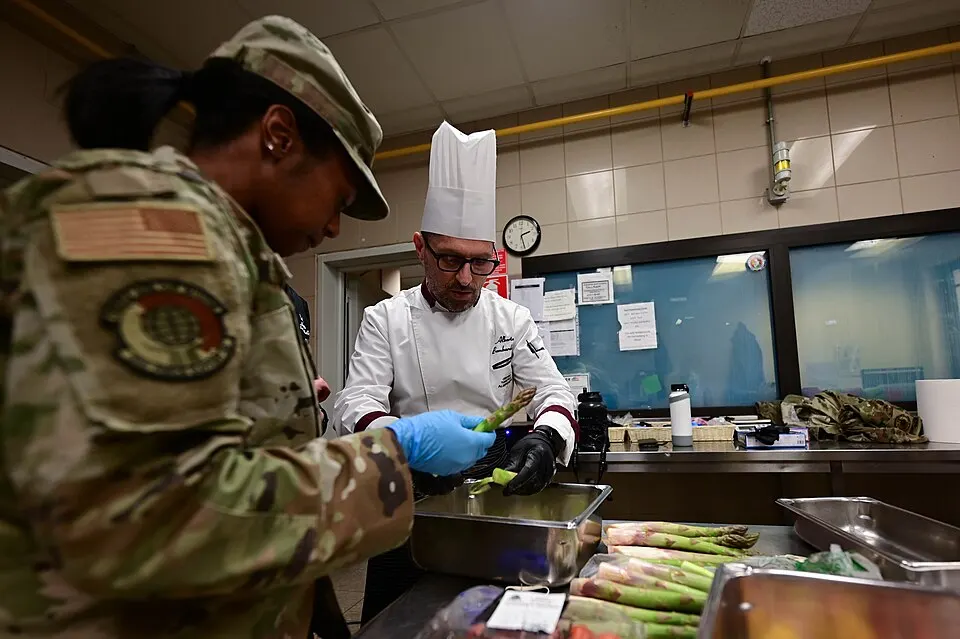
The air inside the pass is thick with the scent of roasted bone marrow, burnt butter, and reduced port. Stainless steel surfaces gleam under spotlight heat lamps while a chorus of short, sharp affirmative responses echoes against tiled walls. Every plate that leaves the line is an exercise in microscopic precision: micro-herbs placed with tweezers, sauces emulsified to mirror-like sheen, and proteins cooked to exact temperatures. For the kitchen’s line cooks, the environment requires total, unwavering absorption. For one chef, that absolute demand for control was not just a career choice—it was a lifeline that pulled him back from the brink of a life spent behind bars.
The Architecture of Second Chances
To the uninitiated, the rigid, high-pressure world of elite dining might seem an unlikely sanctuary for someone escaping a past of violent crime and institutionalisation. Yet, the deep parallels between the structure demanded by the penal system and the uncompromising hierarchy of the kitchen brigade have made gastronomy a unique arena for personal reinvention. Rehabilitation—the process of re-educating offenders to address root causes of crime and prevent recidivism—often relies on substituting destructive patterns with rigorous, constructive discipline. In haute cuisine, that discipline is not merely encouraged; it is a prerequisite for survival.
Public interest in these quiet transformations has exploded worldwide. A recent digital mini-documentary, a video tour that has drawn 0.6 million views, highlights the journey of a former gang member who ascended the ranks to manage a legendary 3-Michelin star establishment. The fascination lies in the stark contrast: how an individual accustomed to the lawlessness of street crime can channel that intensity into an art form governed by absolute order.
The Discipline of the Brigade
First codified by Georges Auguste Escoffier in the late 19th century, the classic kitchen brigade system functions with military precision. Roles are strictly defined, communication is streamlined, and accountability is immediate. For an individual who has spent years navigating the chaotic insecurity of criminal life, this unyielding structure offers clarity. In a 3-star kitchen, there is no ambiguity. A task is executed flawlessly, or it is done again.

Haute cuisine—characterised by meticulous preparation, elaborate presentation, and high-quality ingredients—demands a level of focus that leaves no cognitive space for old habits. Learning to turn a vegetable into identical, geometric shapes or mastering the delicate chemistry of a classic emulsion provides a sense of mastery that traditional penal educational programs often struggle to replicate. The heat of the stove becomes a crucible where past identities are burned away, replaced by the pride of artisanal craft.
The Michelin Guide, originally published by the French tyre company in 1900 to encourage motor travel, today holds restaurants to standards so exacting that a single missed detail can strip a venue of its coveted stars.
Refining Taste and Society
The transformation of former offenders within high-end culinary spaces also reflects a broader shift in how society views dining out. The restaurant is no longer merely a venue for consumption; it is a stage for cultural storytelling and ethical reform. When fine-dining establishments invest in standard rehabilitation practices—combining career training with the psychological discipline of gourmet service—they offer a sustainable alternative to the cycle of re-arrest.
While general prison education frequently focuses on basic literacy or introductory vocational skills, the kitchen of a Michelin-starred restaurant demands mastery. It forces the cook to engage with global food traditions, sensory nuance, and extreme time management. The high stakes of modern gastronomy, where multi-course tasting menus are executed like theatrical performances, provide the precise blend of adrenaline and purpose that many ex-offenders previously sought in illicit lives.

The Table as a Symbol of Renewal
Ultimately, the marriage of criminal rehabilitation and grande cuisine challenges our understanding of who can create high art. The guests sitting in quiet, carpeted dining rooms consuming dishes priced at premium rates are often unaware of the fierce personal battles fought behind the double-swinging doors of the kitchen. Yet, every perfectly plated course served under the watchful eye of the culinary world’s top inspectors is proof that redemption can be crafted by hand.
As haute cuisine continues to evolve, its greatest achievement may not be its innovations in flavor or technique, but its capacity to reshape human lives. Within the intense heat, sharp steel, and relentless rhythm of the world's finest kitchens, former outcasts are finding more than just employment—they are finding redemption, one plate at a time.